The Standing Committee of the 14th National People's Congress (NPC) concluded its 13th session in Beijing on Wednesday.
Zhao Leji, chairman of the NPC Standing Committee, presided over the closing meeting.
At the closing meeting, lawmakers voted to adopt a law on value-added tax, a decision on amending the Supervision Law, and a revised Science and Technology Popularization Law.
They adopted a decision on removing Wang Guanghua from the post of minister of natural resources and appointing Guan Zhi'ou to the position.
The meeting decided to submit a draft amendment to the Law on Deputies to the National People's Congress and Local People's Congresses at All Levels to the third session of the 14th NPC for further deliberation, and entrusted Li Hongzhong, vice chairman of the NPC Standing Committee, to make explanatory remarks to the NPC session.
The meeting adopted a decision on convening the third session of the 14th NPC. According to the decision, the third session of the 14th NPC will open on March 5, 2025.
Lawmakers ratified an extradition treaty between China and Zimbabwe and another one between China and Suriname.
They voted to adopt the name list of the members of the sixth-term Macao Special Administrative Region Basic Law Committee of the NPC Standing Committee.
They also adopted a deputy qualification report and personnel-related bills.
After the closing meeting, Zhao presided over a lecture for lawmakers.
On the same day in Beijing, an oath-taking ceremony was held by the 14th NPC Standing Committee to pledge allegiance to the Constitution.
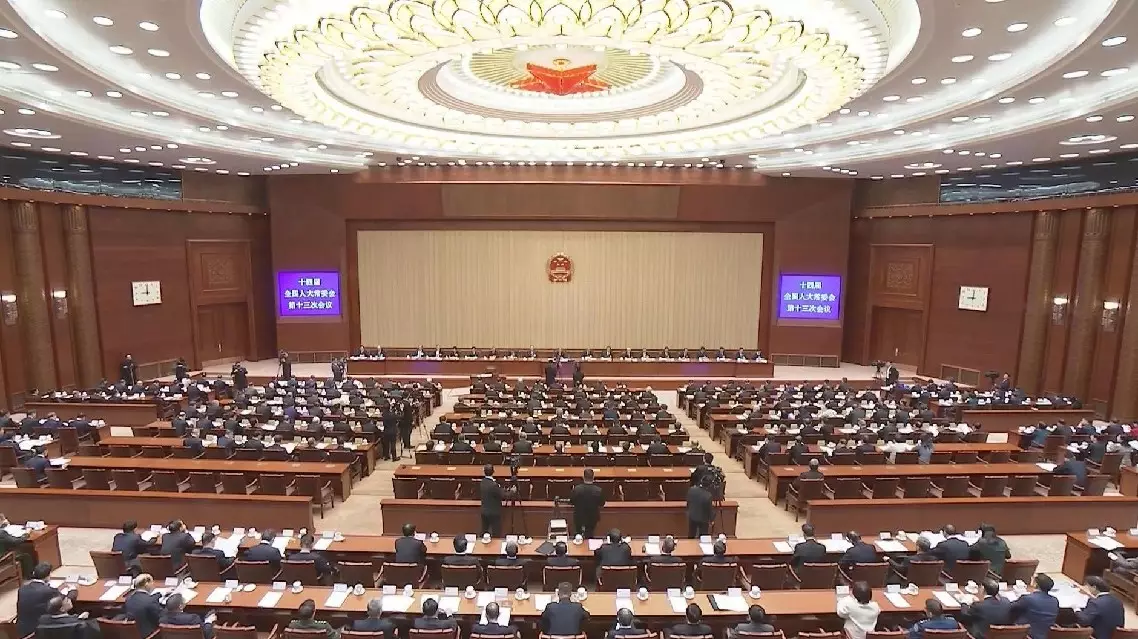
Top legislature concludes standing committee session
International Monetary Fund (IMF) Managing Director Kristalina Georgieva on Thursday called for coordinated actions to offset the Middle East War's impact on the world economy.
In a speech titled "Cushioning the Middle East War Shock" at the opening of the 2026 IMF Spring Meetings, Georgieva urged all countries to "reject go-it-alone actions, export controls, price controls, and so on" that could further disrupt global conditions.
She said that fiscal authorities should provide targeted and temporary support to the vulnerable, aligned with their medium-term fiscal frameworks.
The IMF chief also called on central banks to step in firmly with rate hikes if inflation expectations threaten to break anchor and ignite a costly price spiral, while stressing that fiscal support should remain targeted and temporary.
Furthermore, Georgieva noted that all nations must use their limited fiscal resources responsibly, and that both micro- and macro-prudential policies need to be aligned to mitigate stability risks and maintain a resilient financial system.
Since the outbreak of the U.S.-Israeli war with Iran on Feb 28, global daily oil supply has fallen by about 13 percent, while liquefied natural gas supply has dropped by roughly 20 percent, according to IMF data. Those reductions have sent international energy prices soaring.
Brent crude oil briefly jumped from 72 U.S. dollars per barrel before the conflict to 120 U.S. dollars, and while prices have since eased, they remain significantly higher than pre-war levels. The cost of accessing energy has risen sharply for many nations.
Georgieva pledged support to members with financing through the fog of uncertainty, expecting near-term demand for IMF balance-of-payments support to rise to somewhere between 20 billion and 50 billion U.S. dollars, given the spillovers of the Middle East War.
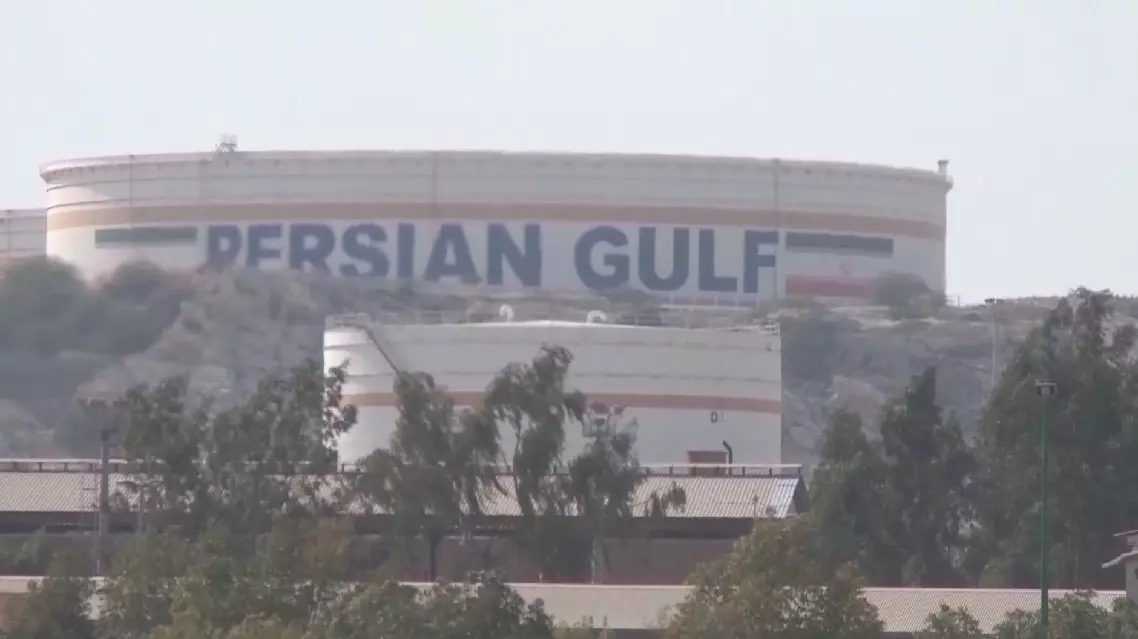
IMF chief urges coordinated actions to offset Middle East War's impact on world economy