International Monetary Fund (IMF) Managing Director Kristalina Georgieva on Thursday called for coordinated actions to offset the Middle East War's impact on the world economy.
In a speech titled "Cushioning the Middle East War Shock" at the opening of the 2026 IMF Spring Meetings, Georgieva urged all countries to "reject go-it-alone actions, export controls, price controls, and so on" that could further disrupt global conditions.
She said that fiscal authorities should provide targeted and temporary support to the vulnerable, aligned with their medium-term fiscal frameworks.
The IMF chief also called on central banks to step in firmly with rate hikes if inflation expectations threaten to break anchor and ignite a costly price spiral, while stressing that fiscal support should remain targeted and temporary.
Furthermore, Georgieva noted that all nations must use their limited fiscal resources responsibly, and that both micro- and macro-prudential policies need to be aligned to mitigate stability risks and maintain a resilient financial system.
Since the outbreak of the U.S.-Israeli war with Iran on Feb 28, global daily oil supply has fallen by about 13 percent, while liquefied natural gas supply has dropped by roughly 20 percent, according to IMF data. Those reductions have sent international energy prices soaring.
Brent crude oil briefly jumped from 72 U.S. dollars per barrel before the conflict to 120 U.S. dollars, and while prices have since eased, they remain significantly higher than pre-war levels. The cost of accessing energy has risen sharply for many nations.
Georgieva pledged support to members with financing through the fog of uncertainty, expecting near-term demand for IMF balance-of-payments support to rise to somewhere between 20 billion and 50 billion U.S. dollars, given the spillovers of the Middle East War.
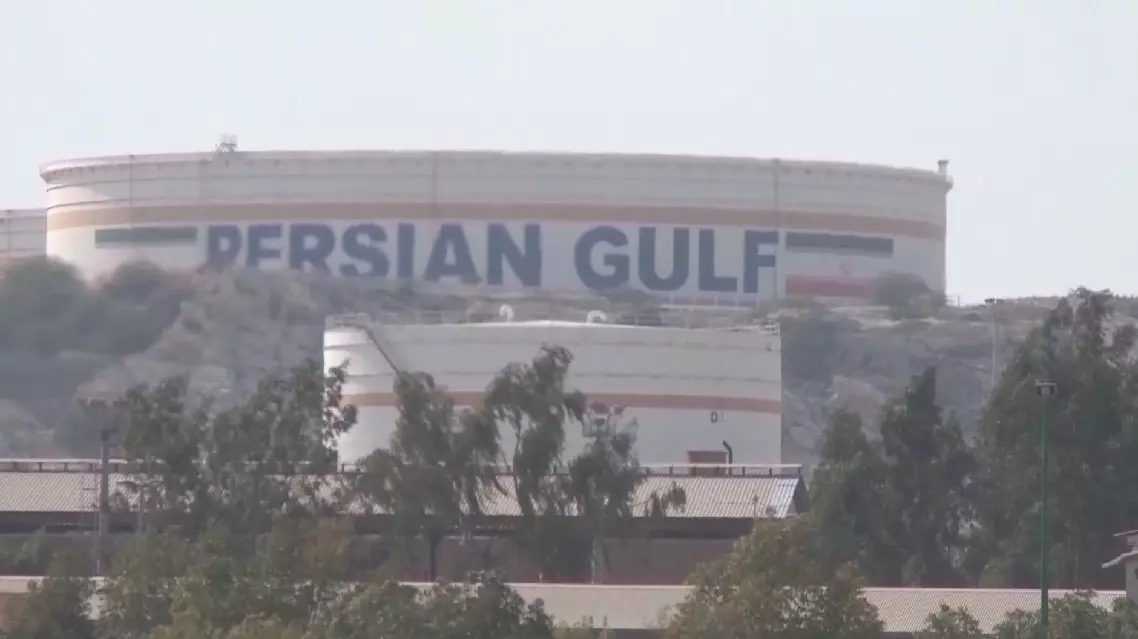
IMF chief urges coordinated actions to offset Middle East War's impact on world economy
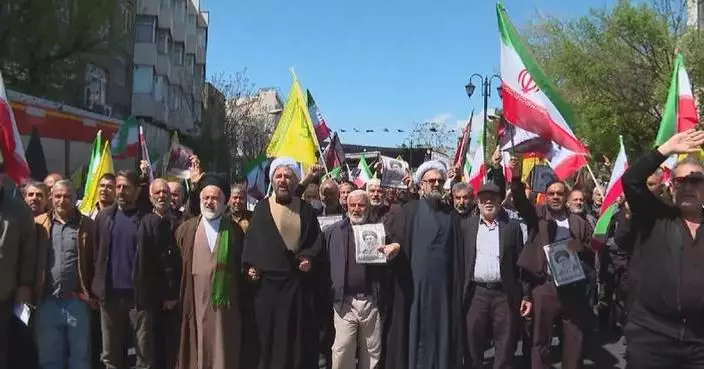
Iran's Supreme Leader Mojtaba Khamenei said on Thursday that the Iranian people have achieved a "decisive victory" in the war against the United States and Israel, and that Iran will move the management of the Strait of Hormuz into a new phase.
Khamenei made the remarks in a message carried by the Iranian media on the 40th day after the death of former Supreme Leader Ali Khamenei, who was killed in U.S.-Israeli strikes at the start of the conflict.
"We have not sought and do not seek war, but we will not give up on our legitimate rights, and to this end, we consider the entire resistance front as a unified whole," he said.
The supreme leader urged Iran's southern neighbors to "stand in the right place," saying that "We are still waiting for an appropriate response from you to show you our brotherhood and goodwill."
He termed the assassination of his predecessor as one of the "biggest crimes" by Iran's "enemies" and one of the most "severe public sorrows" in Iran's history.
Iran's people will demand compensation for every damage in the country caused by the attacks of the "aggressors," he said.
Meanwhile, Iran's Parliament Speaker Mohammad Baqer Qalibaf issued a statement regarding the regional situation on Thursday evening, saying that only when the United States no longer violates the ceasefire agreement, will Iran consider negotiations. Otherwise, the conflict will resume, and the Iranian people and the military are prepared for that, he said.
In the statement, Qalibaf emphasized that Iran has achieved an undeniable victory in the war and has elevated the country's position in the regional and global order.
However, this victory is only the first step, and Iran firmly believes that military and diplomatic means cannot be separated and will continue to defend the rights of the Iranian people, striving for ultimate victory through the combination of military and diplomatic struggles, he said.
On Feb. 28, Israel and the United States launched joint military strikes against Tehran and several other Iranian cities, killing Iran's then supreme leader, along with senior military commanders and civilians.
Iran responded with waves of missile and drone strikes targeting Israel and U.S. assets in the Middle East, and tightened control over the Strait of Hormuz.
A two-week ceasefire reached between Washington and Tehran took effect on Wednesday, with peace talks between the two sides scheduled to begin later this week in Islamabad, Pakistan.
Mojtaba Khamenei, son of Ali Khamenei, was selected as Iran's new supreme leader on March 8.
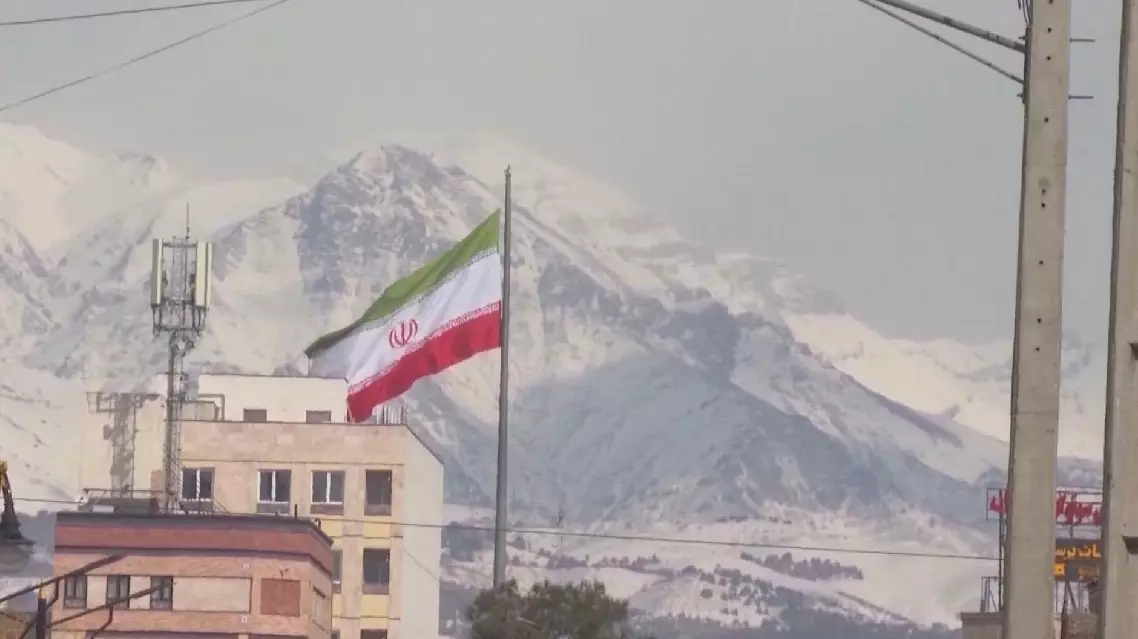
Iran's supreme leader declares "decisive victory," announces new phase in Strait of Hormuz management