Photographer Yahya Barzaq, once celebrated for capturing Gaza's beauty, is now forced to document the heart-rending reality of death and destruction in war-torn Gaza.
The 35-year-old, who spent years capturing cherished memories of newborn babies, has seen his profession transformed by conflict.
"I chose to photograph newborns because I love photography, especially in Gaza, where no one specializes in this field. It was an opportunity for me to become the first person in Gaza to focus on newborn photography. I love beautiful things, and the people of Gaza love all things beautiful. They love children and enjoy capturing the beauty of life," said Barzaq.
Despite the challenges of working with babies who may not always cooperate, he said that the joy on parents' faces when they see the photos of their children provides him with the motivation to keep going.
Barzaq also ran his own studio in northern Gaza, equipped with all the gear specially designed for photographing children. However, the studio, once a vibrant space filled with soft blankets, delicate props and portraits of newborns, now testifies to the destruction wrought by Israeli military violence.
In October 2023, when the devastating conflict broke out in Gaza, Barzaq was forced to leave his home and studio and flee southward.
"I barely managed to bring my camera, my laptop and my photos. I wish I could protect all the children the same way I protected my photography equipment. After leaving Gaza, my home was destroyed, and my studio was partially damaged. The area is difficult to access. Almost every day, we hear news of children dying, some of whom I had photographed," he said.
One child who left a deep impression on Barzaq was Mohammad. His family had printed his photo taken by Barzaq on his shirt, and the baby died in the conflict, wearing the very shirt with his own photo on it.
"He was one and a half years old when the [Israeli] airstrike occurred. When we woke up at 06:30, we found ourselves buried under the rubble. I found my oldest son Kramm, but not Mohammad. Finally, we found Mohammad under two meters of rubble. After he was rescued, the first aider conducted an examination and found that he had already passed away from asphyxiation," said the little boy's father.
"He had fair skin and slightly yellow hair. His body was healthy and strong, with broad shoulders. His hair was curly, and he had very nice features. I always imagined that if he had grown up, he would have been incredibly handsome," said Mohammad's mother.
The photo album Barzaq created was also destroyed in the airstrike. Now, there are only a few photos left on the parents' phones, serving as a memento of their beloved son.
The weight of that reality was too much to bear, not just for the grieving parents, but for the photographer as well.
"For a long time, I didn't pick up my camera because it's a camera that had once captured beautiful scenes and the angelic smiles of children. And now it must document crimes, destruction, and the miserable life we are enduring. But when people see or hear about our life, it's hard for them to believe all of this. I feel it's my duty to convey this truth to the world—that life is extremely difficult for the children and for Gaza. They are suffering from atrocities, massacres, hunger, insecurity, and a lack of medical care," said Barzaq.
"Before the war, I thought my work was a pleasure. Now, photography has become a duty, not just a profession. I feel an obligation to show the world that children in Gaza are suffering a devastating blow. There is no place safe [in Gaza.] Pople can get hit by airstrikes in their cars, in their strollers,"said the photographer.
Barzaq himself was displaced multiple times by the war, witnessing firsthand how people's lives were shattered by relentless airstrikes.
The widening war is also taking its toll on Gaza's already crumbling economy, with prices of basic commodities soaring.
"I remember before the war, a kilo of avocado was only 6 new shekels (about 1.6 U.S. dollars). Now, it has risen to 35 new shekels (about 9.5 dollars). Before the war, we were used to buying it by the kilo, but now we can only buy them by the piece," said Barzaq.
Despite the repeated trauma, Barzaq refused to surrender to despair. He believed that "better days lie ahead."
It's a harsh truth for the photographer that the same lens that had once captured life's beauty was now a tool to document its fragility. But he had to show the world what was happening. He had to bear witness.
"We were once used to beauty and innocence, but now we see shattered bodies, and children running for their lives, looking for their (perhaps already deceased) parents—this is the reality we have to witness and document in this war," said Barzaq.
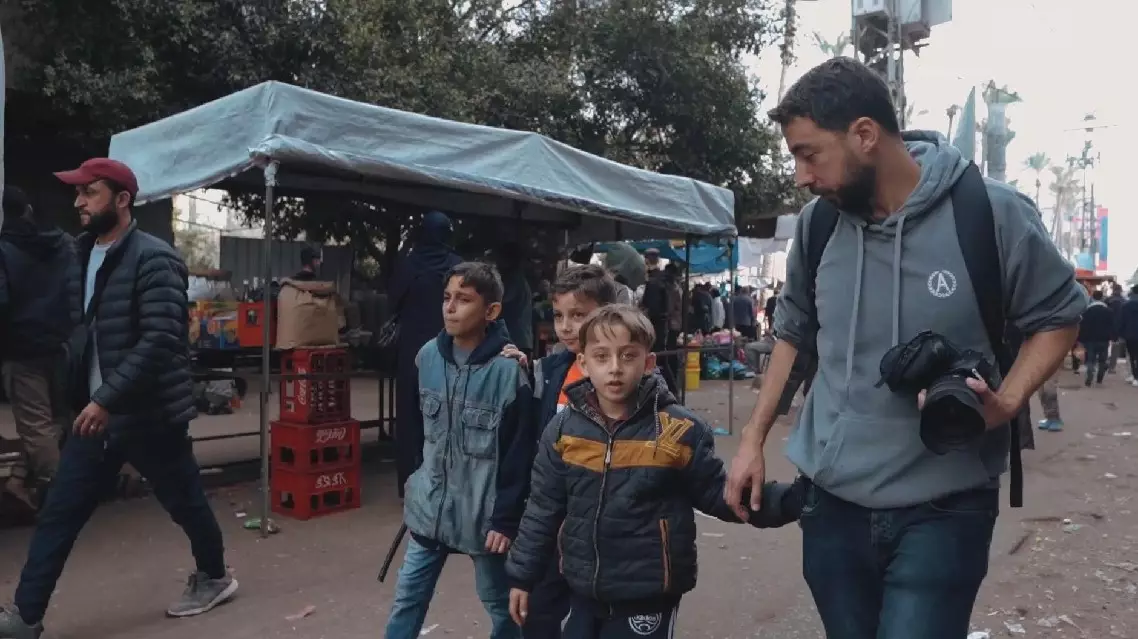
Photographer of newborns documents war's devastating reality in Gaza
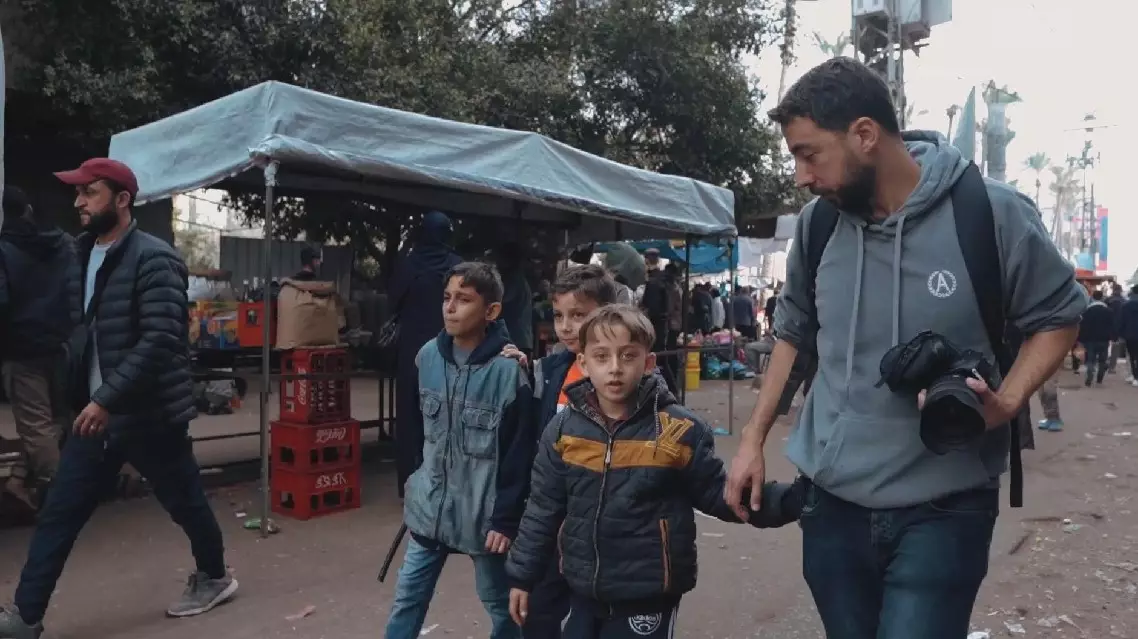
Photographer of newborns documents war's devastating reality in Gaza
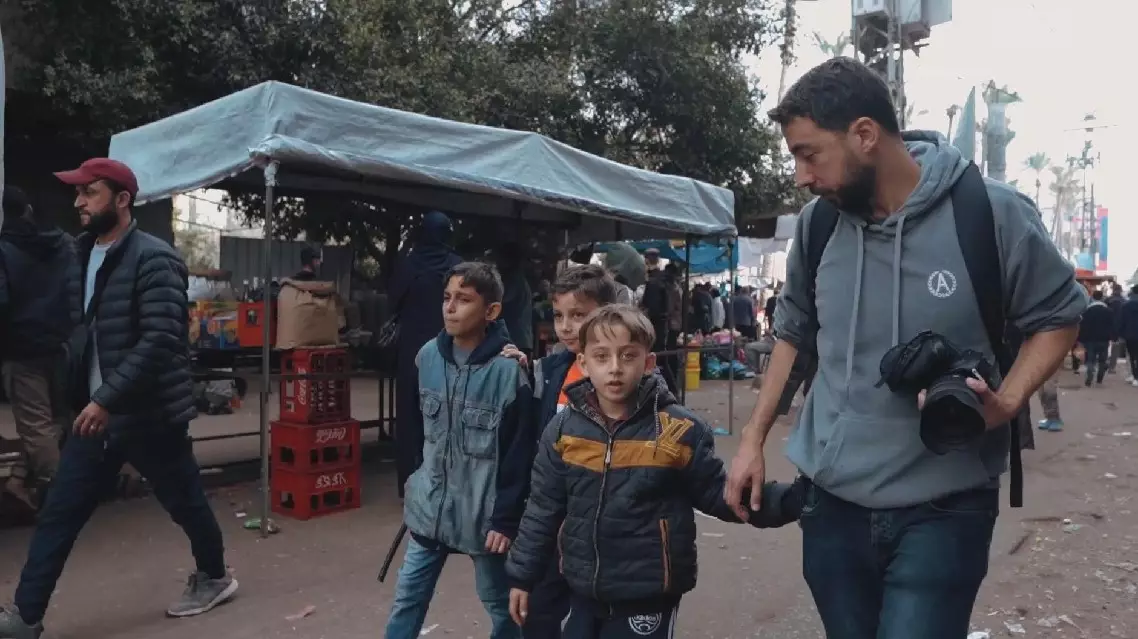
Photographer of newborns documents war's devastating reality in Gaza