Operations at Sanaa International Airport have resumed normal activities following a series of strikes launched by Israel, the Houthi group said on Friday.
The Houthis added that the airport is now technically capable of receiving civilian flights, UN aircraft, and humanitarian aid deliveries around the clock.
The Israeli warplanes on Thursday hit Houthi-used infrastructures in the Sanaa International Airport, and the Hezyaz and Ras Kanatib power stations, both located in Houthi-controlled areas, as well as the ports of Hodeidah, Salif, and Ras Kanatib on the western coast, the military said in a statement, claiming that Houthis used those sites to smuggle Iranian weapons into the region and for the entry of senior Iranian officials.
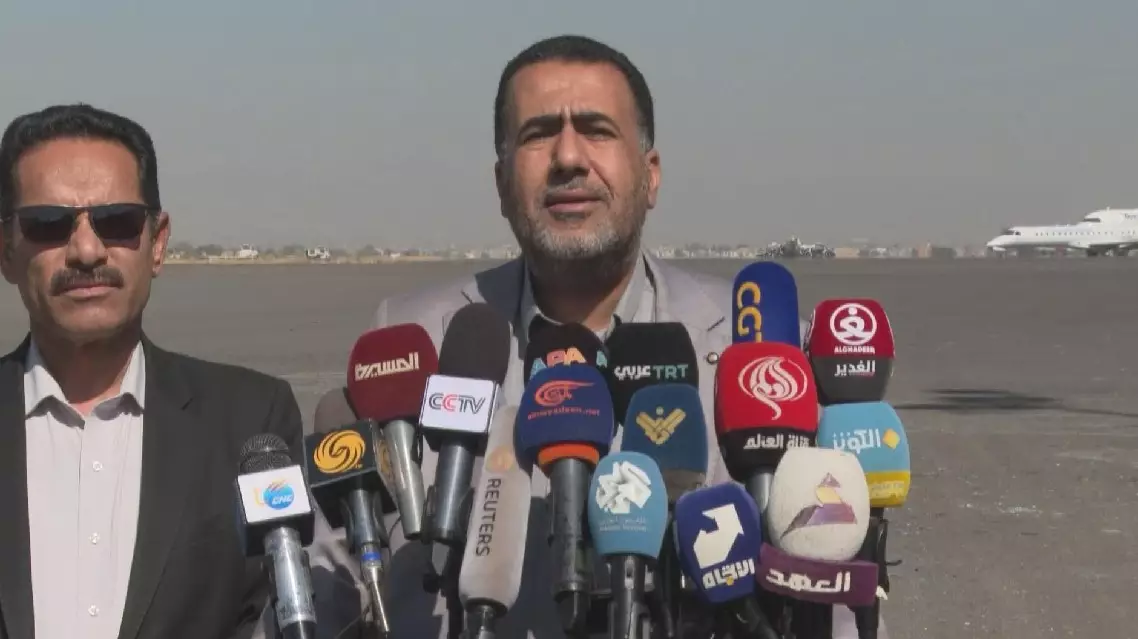
"Today we resumed flight departures and landings at Sanaa International Airport as planned. The first flight will take off at 10:00," said Deputy Minister of Transport and Public Works Yahya Al-Sayani.
The group also criticized the recent Israeli airstrikes, which damaged the control tower and multiple equipment at the airport.
"At 16:00 on Thursday, Israel, with U.S. support, launched a direct attack on the airport. At that time, a plane had just landed, while an international flight and a United Nations flight were preparing for takeoff. The control tower, terminal and navigation equipment were the specific targets of the Israeli attacks," said the deputy minister.
The charging officials from the airport said that Sanaa International Airport has been hit by airstrikes multiple times. The management team has experience in responding to such incidents and has developed contingency plans to ensure the continuity of airport operations.
"There were many passengers in the airport lounge. The airport has developed backup plans for both equipment and buildings, ensuring we have worst-case response measures in place. Even if the terminal is damaged, we can continue to operate flights and maintain the airport's operational capabilities," said Khaled Al-Shayef, General Manager of Sanaa International Airport.
Sanaa airport restores operation after Israeli strikes: Houthis
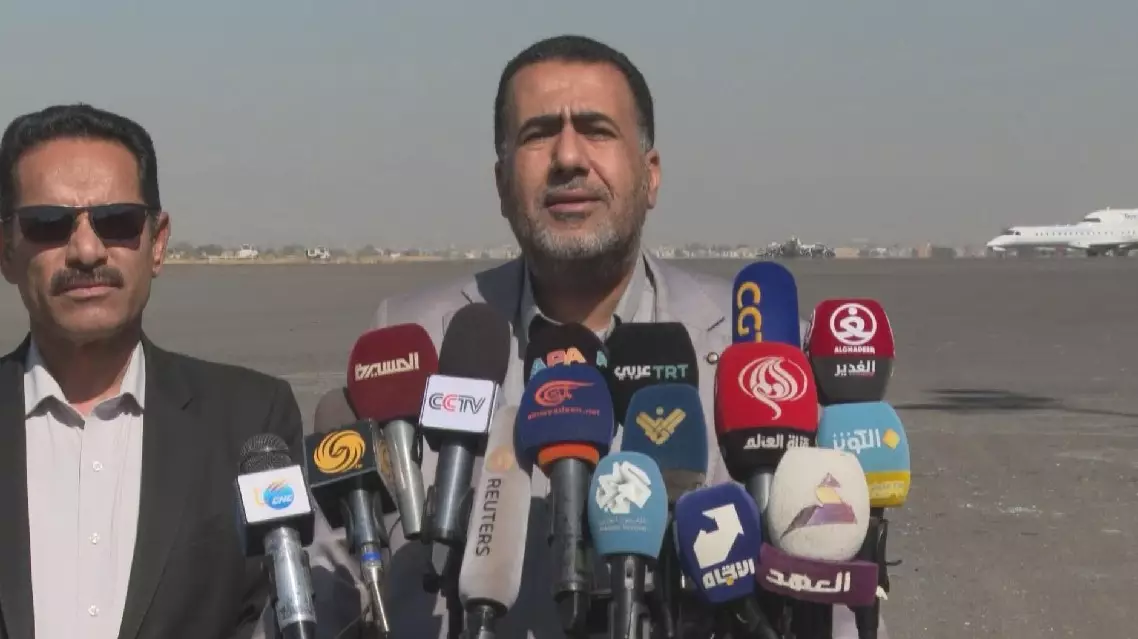
Sanaa airport restores operation after Israeli strikes: Houthis
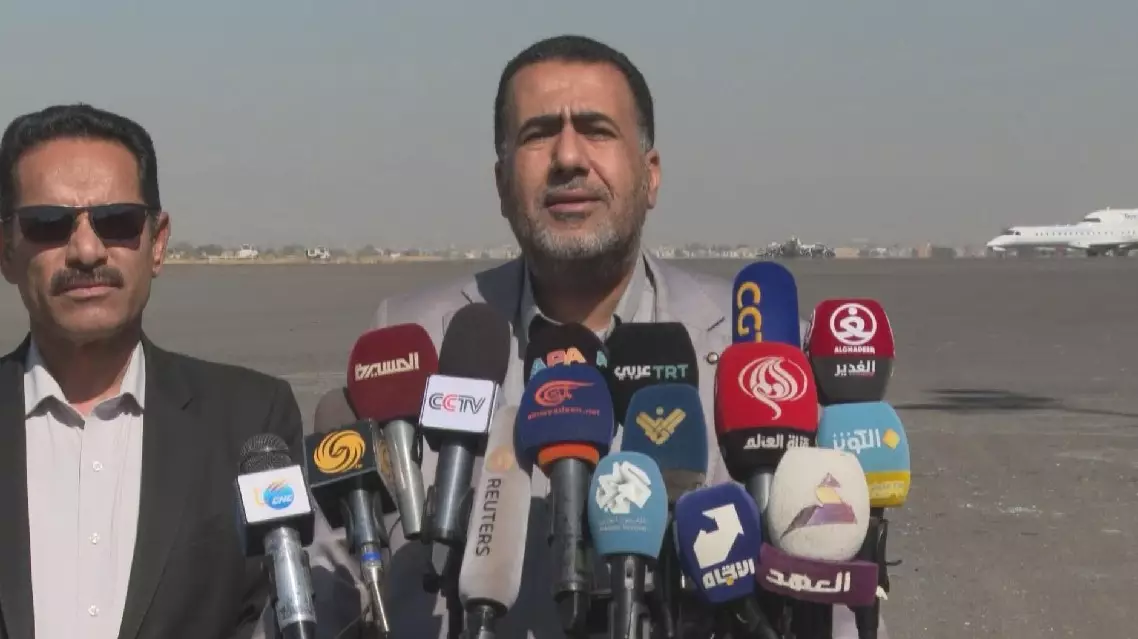
Sanaa airport restores operation after Israeli strikes: Houthis
Chinese investments are bringing new development opportunities to Hauts-de-France, a traditional industrial region in northern France, as local governments actively attract Chinese new energy enterprises to participate in the region's industrial transformation.
The Hauts-de-France region was once home to Griset, a copper processing company with a history of over 260 years and a pillar of France's metallurgical industry. Faced with global competition and fluctuations in metal prices, the company teetered on the brink of bankruptcy until its acquisition by TNMG, China's leading copper producer, enabled it to rise from the ashes under the name TG Griset. "Today, we have achieved our production target of 7,000 tons per year. This is a remarkable change compared to when we started back in 2016, when a small team of just 12 people launched operations. Now we have 70 employees, along with new projects, development prospects, and a future strategy. The group has also provided us with investment support," said David Derache, general manager of TG Griset.
Located nearly equidistant between Paris and London, as well as nearby the industrial heartlands of Western Europe, Hauts-de-France enjoys huge geographical advantages and a solid foundation in the automotive industry, with carmakers like Renault and Stellantis present. Official data shows that the region has drawn nearly 50 Chinese enterprises to invest and establish operations across sectors including automotive, energy, and chemicals.
Leading the charge the promotion of the region is Nord France Invest, which offers support to international companies and investors seeking to expand in Hauts-de-France.
"We go on a regular basis in China to meet with Chinese groups and, once again, to explain where we are, what we do, and how we can help them choose our region and make sure that we are the hub for them in Europe and the best gateway for Chinese investment here," said Yann Pitollet, CEO of Nord France Invest.
Beyond capital, Hauts-de-France values China's strengths in the new energy vehicle (NEV) manufacturing sector, particularly in batteries and materials. For this traditional industrial region, attracting Chinese enterprises is not only about drawing investment but also about the electrification transformation and the future development of its automotive industry.
"The best-selling electric vehicle in France today is a Renault car -- the Renault 5. It uses Chinese batteries, and these batteries are produced right here in the Hauts-de-France region. These modern examples -- whether in electric vehicle batteries, related investments, or the development of port industries -- show that these new industrial developments are significant for regions like ours," said Xavier Bertrand, president of the Hauts-de-France Regional Council.
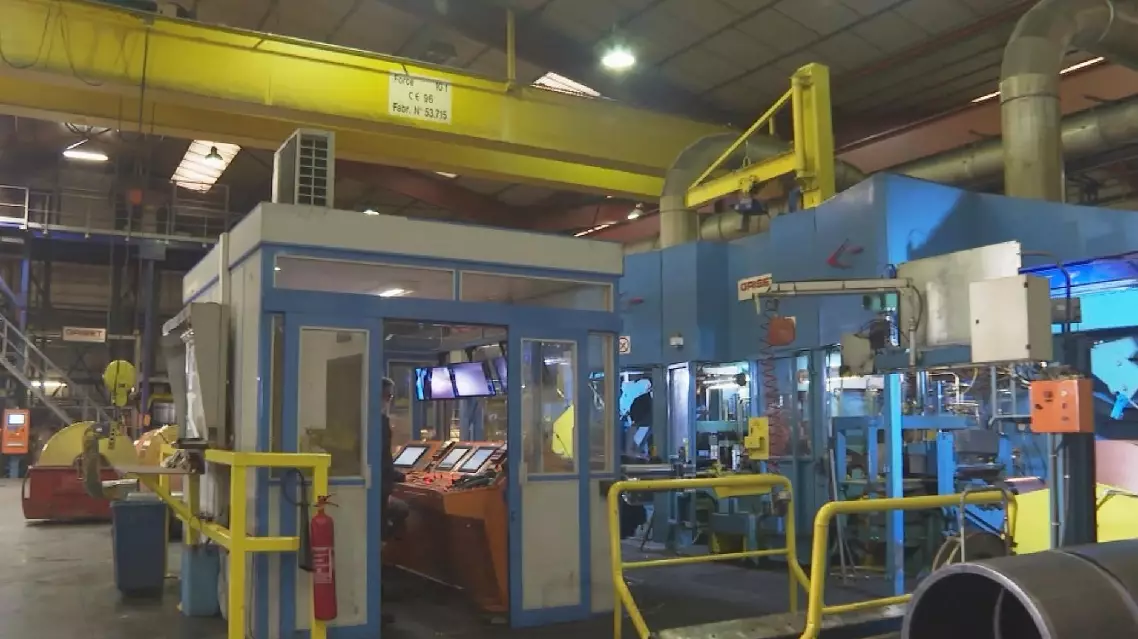
China-France cooperation powers transformation of traditional French industries