
Skip to Content Facebook Feature Image

China to adjust import tariff rates, items on certain goods for 2025
China

China

China

China to adjust import tariff rates, items on certain goods for 2025

2024-12-28 17:04 Last Updated At:20:07

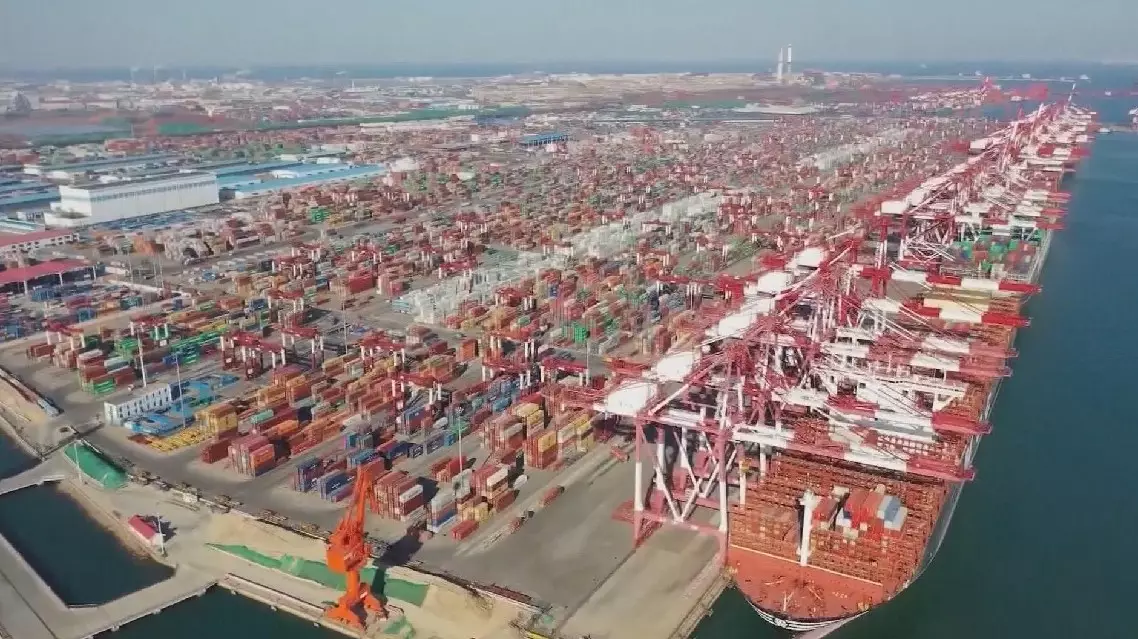
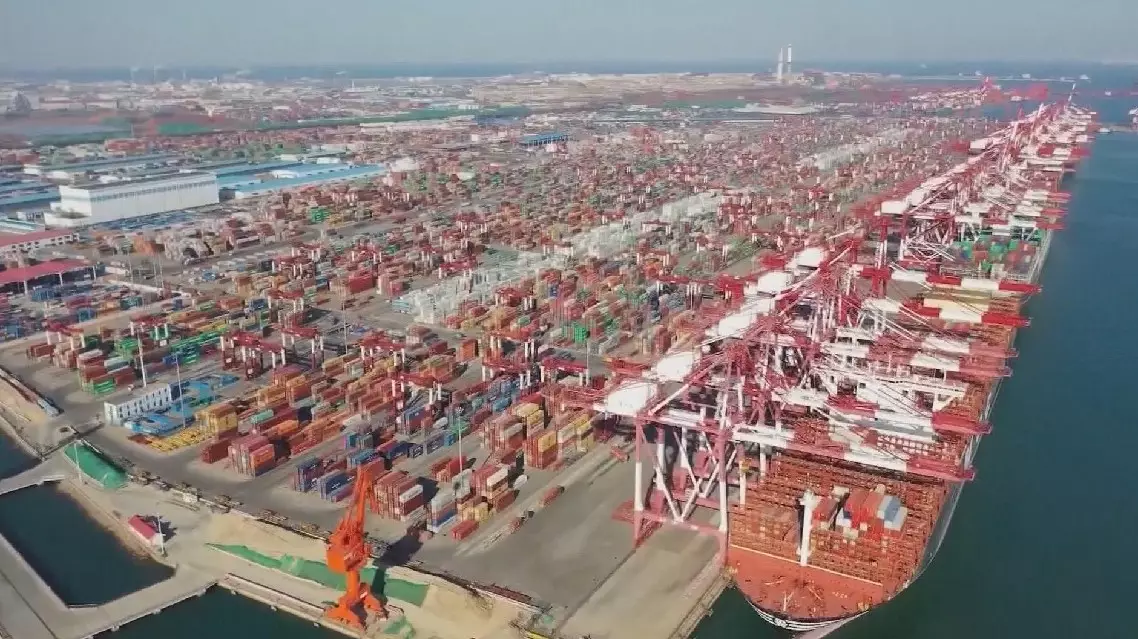
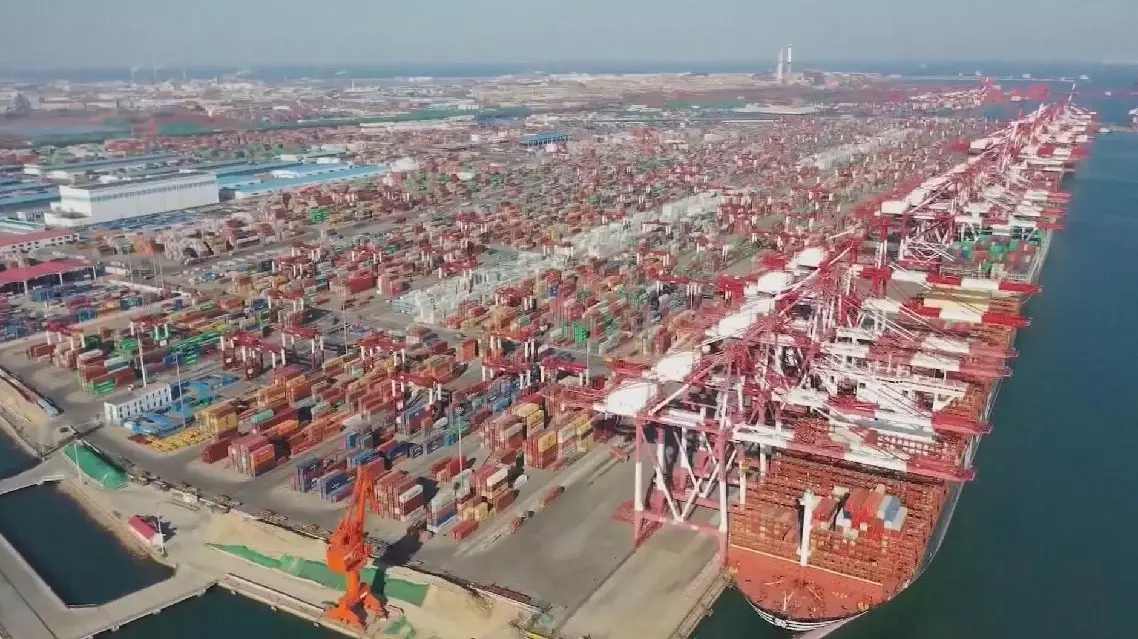
China will adjust the import tariff rates and items on certain goods starting from Jan. 1, 2025, in an effort to expand domestic demand and advance high-standard opening up, authorities announced Saturday.

Provisional import tariffs, lower than the most-favored-nation rates, will be applied to 935 commodities next year as part of the annual tariff adjustment plan. This plan "will help increase the imports of quality products," according to a statement from the Customs Tariff Commission of the State Council.

More Images
China to adjust import tariff rates, items on certain goods for 2025

China to adjust import tariff rates, items on certain goods for 2025
China to adjust import tariff rates, items on certain goods for 2025
China to adjust import tariff rates, items on certain goods for 2025

China to adjust import tariff rates, items on certain goods for 2025
China to adjust import tariff rates, items on certain goods for 2025
China to adjust import tariff rates, items on certain goods for 2025

China to adjust import tariff rates, items on certain goods for 2025
In order to support the development of new quality productive forces led by sci-tech innovation, the import tariffs on cycloolefin polymers, ethylene-vinyl alcohol copolymers, and automatic transmissions for special-purpose vehicles such as fire trucks and repair vehicles will be reduced; In order to improve people's livelihood, the import tariffs on sodium zirconium cyclosilicate for medicine, viral vectors for CAR-T tumor therapy, and nickel-titanium alloy wires for surgical implants will be reduced; In order to promote green and low-carbon development, the import tariffs on ethane and some recycled copper and aluminum raw materials will be reduced.

In order to expand the global high-standard free trade zone network, China will implement agreed tariff rates on some imported goods originating from 34 countries or regions in 2025, under the guidance of 24 free trade agreements and preferential trade arrangements.

The announcement said that to support the least developed countries, the 43 least-developed countries with diplomatic relations with China will benefit from zero tariffs on 100 percent of the items imported by China.

In 2025, China will also continue to implement preferential tariffs on some imported goods originating from Bangladesh, Laos, Cambodia and Myanmar in accordance with the Asia-Pacific Trade Agreement and the intergovernmental exchange of notes between China and relevant ASEAN member states.

"Actively building a global free trade zone network is a manifestation of our commitment as a major country to uphold the multilateral trade system and WTO rules. We will promote the world to further develop towards globalization and multilateralism to serve the vision of a community with a shared future for mankind," said Gao Lingyun, a research fellow with the Institute of World Economics and Politics under the Chinese Academy of Social Sciences.

China to adjust import tariff rates, items on certain goods for 2025

China to adjust import tariff rates, items on certain goods for 2025

China to adjust import tariff rates, items on certain goods for 2025
China to adjust import tariff rates, items on certain goods for 2025

China to adjust import tariff rates, items on certain goods for 2025

China to adjust import tariff rates, items on certain goods for 2025

China to adjust import tariff rates, items on certain goods for 2025

China to adjust import tariff rates, items on certain goods for 2025

China will step up efforts to stabilize employment in 2026, said the head of the Ministry of Human Resources and Social Security (MOHRSS) at a press conference on Saturday.

Last year, China's top political advisory body issued policy guidance known as the "four stabilities", directing relevant ministries and departments to seek stabilization in the areas of jobs, firms, markets and expectations.

In response, the MOHRSS has implemented an employment-first strategy. According to Minister Wang Xiaoping, speaking at a presser on the sidelines of the ongoing fourth session of the 14th National People's Congress in Beijing, the ministry will continue that strategy.

"We will further implement the employment-first strategy and requirements of the 'four stabilities', strengthen guidance, expand channels and prioritize key groups to make new progress in high-quality full employment," she said.

"In terms of 'stabilizing jobs', we will increase support for labor-intensive industries such as foreign trade, construction, accommodation and catering, with the aim of stabilizing employment positions while promoting the development of these sectors. In terms of 'expanding capacity', we will actively tap the employment potential in fields such as the digital economy, high-end manufacturing and modern services to achieve job growth alongside industrial upgrading. In terms of 'improving quality', we will effectively implement the adjustment mechanism for minimum wage standards, regulate the human resources market order, and fully enforce the guarantee system guaranteeing for migrant workers' wage payments, thereby elevating employment quality through strengthened rights protection," she said.

She noted that specific measures will be introduced to assist the upcoming wave of graduates.

"The number of college graduates in China is expected to reach 12.7 million this year. We will further improve policy measures, fully tap the employment potential of various channels and fields, expand employment space at the grassroots level, and help young people display their talents in all walks of life," she said.

China to boost employment with targeted measures: minister

China to boost employment with targeted measures: minister

Recommended Articles