Intercity commute in north China's Beijing-Tianjin-Hebei urban agglomeration saw a major upgrade Saturday with two high-speed rail lines connected to Beijing's Daxing International Airport starting operation.
The two lines, one starting from Hebei's Langfang and the other from Gu'an, make travel to the Daxing Airport more convenient for residents in the urban clusters, and further solidifies the relatively new airport's status as a regional transportation hub.
"In the initial stage of operation, up to eight trains will be scheduled every day, all of which are crossrail trains. So travel between the Langfang North Station and the Daxing Airport Station can be reached in 15 minutes at the fastest," said Guo Liuming, China Railway Beijing Group's deputy director of passenger transport department.
The newly-opened railway sections further boosted the connectivity of the region's intercity high-speed rail network. In the meantime, travelers landing at the Daxing Airport will have an even smoother connecting experience. They can get to the Beijing Capital International Airport for a connecting flight by taking the subway or catching an intercity high-speed train.
"In order to strengthen information sharing between the intercity railway Daxing Airport Station and the Daxing Airport, we display real-time train information in front of the terminal. In the future, the Daxing Airport and the railway department will continue to strengthen cooperation and information sharing, to improve the matching of trains and flights in terms of capacity and schedule," said Jiao Yongjie, public area manager of the Beijing Daxing International Airport.
"The density of the railway network in the Beijing-Tianjin-Hebei region continues to increase, forming a high-speed railway network with Beijing and Tianjin as the core hubs, covering all prefecture-level cities in Hebei Province. The operating mileage of high-speed railways in the region has reached 2,669 kilometers. One-hour commute in the capital metropolitan area and the two-hour transportation circle among major cities in the Beijing-Tianjin-Hebei region has basically been formed," said Hou Libo, senior economist of the planning and statistics department of China Railway Beijing Group.
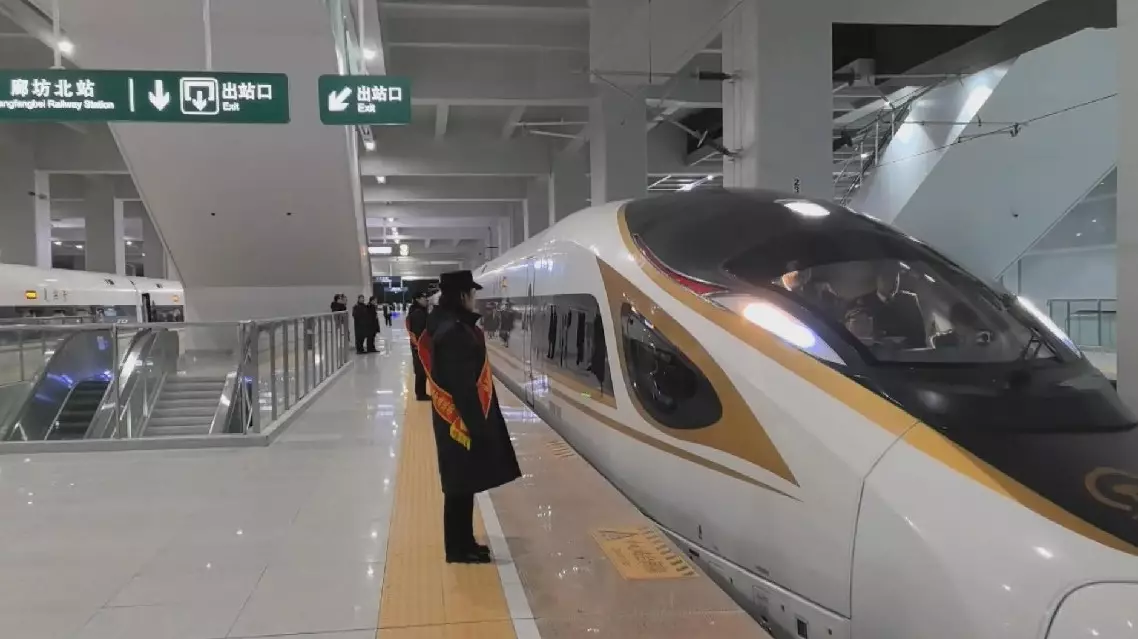
Intercity commute centered around Beijing's new airport further improves
The price of aluminum, a key industrial metal used in automotive manufacturing, construction and packaging, has been climbing as production cuts in the Gulf region, logistical constraints and Iranian attacks on two regional producers over the weekend tightened supply.
On March 31, the benchmark London Metal Exchange (LME) three-month price for aluminum rose to 3,535 U.S. dollars per metric ton, a year-on-year increase of around 40 percent.
Iran's Islamic Revolutionary Guard Corps (IRGC) said on Sunday that they launched missile and drone strikes on aluminum plants in Bahrain and the UAE that are linked to the U.S. military and aerospace industries, in retaliation for U.S.-Israeli attacks on Iranian steel factories.
Emirates Global Aluminium issued a statement saying that its Al Taweela site in the Khalifa Economic Zone in Abu Dhabi was severely damaged after Iranian strikes, with some employees injured.
Aluminum Bahrain confirmed in a statement on Sunday that some of its facilities were struck by Iranian attacks, resulting in injuries to two employees.
The two aluminum plants have a combined annual output of 3.2 million tons, more than half of the approximately 6 million tons of aluminum produced every year by Gulf Cooperation Council (GCC) member states.
The region is a key source of aluminum supply, accounting for about 9 percent of global production.
Goldman Sachs on Tuesday raised its LME aluminum price forecast from 3,200 U.S. dollars to 3,450 U.S. dollars per ton for the second quarter of 2026 after the attacks on the facilities.
Goldman Sachs also predicted a global primary aluminum market supply deficit of 570,000 tons in 2026, a sharp turnaround from its previous forecast of a 550,000-ton surplus.
Analysts point out that the aluminum market is currently facing multiple shocks, with shipping in the Strait of Hormuz disrupted, aluminum production facilities in the Gulf damaged or even shut down, and production in other parts of the world currently limited.
The impact will also spread to downstream enterprises in the coming months, with higher-cost aluminum alloys, primarily used in the aerospace, automotive, and construction industries, facing the most constrained supply, analysts said.
The Gulf region has long been a significant source of these high-end products, particularly for the European market, and also supplies manufacturers in the United States.
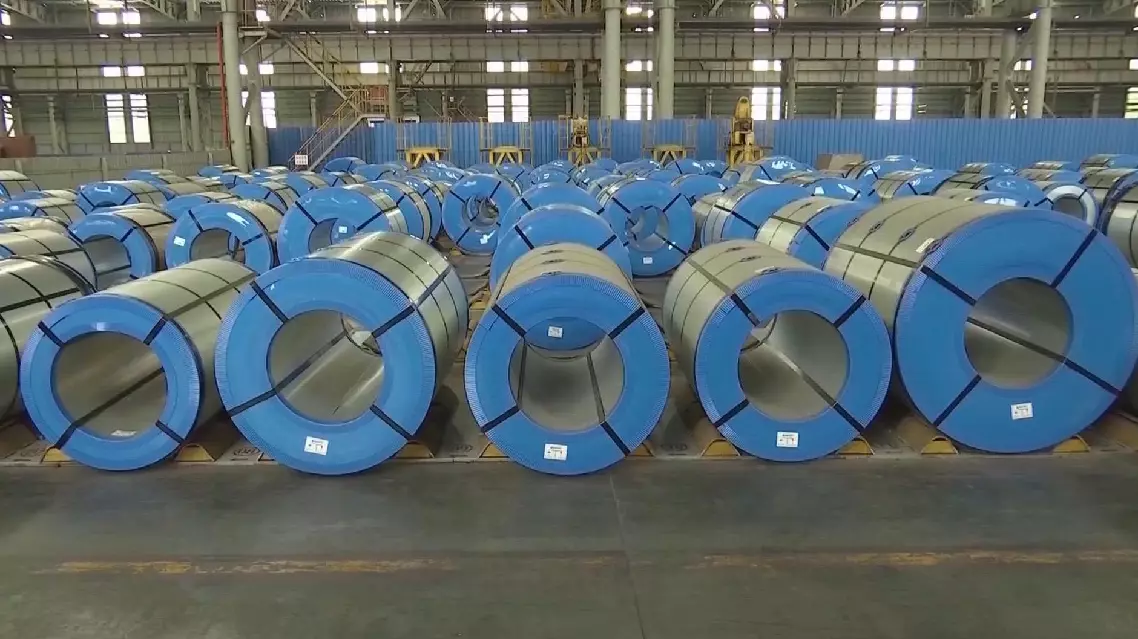
Aluminum prices climb as effects of Middle East tensions spread through global economy