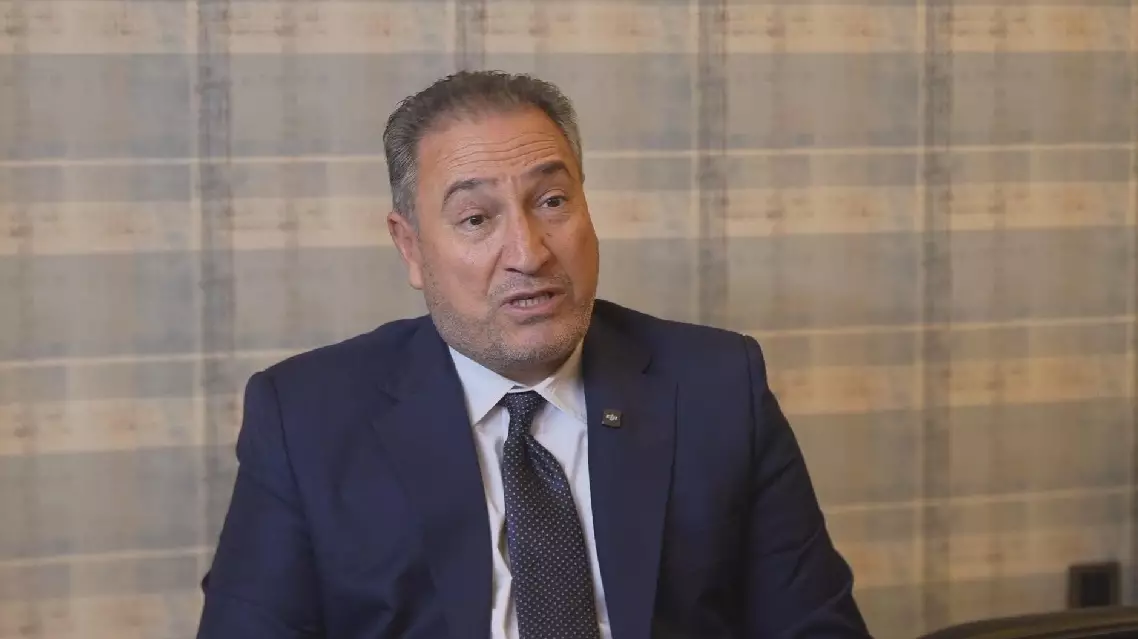
Iraq has its approaches to ensure domestic fuel supplies and oil exports amid the ongoing U.S.-Israel-Iran conflict, said Abdul-Sahib Bazoun Al-Hasnawi, spokesman for the Iraqi Ministry of Oil.
The conflict erupted on Feb. 28 when the United States and Israeli launched joint airstrikes on the Iranian capital Tehran and several other cities. U.S-Israeli attacks have continued since, targeting key Iranian military command centers, missile installations, energy infrastructures and nuclear facilities.
In response, Iran has launched waves of missile and drone strikes against Israeli and U.S. military facilities across the Middle East, including those in Kuwait, Bahrain, Qatar, Jordan, Saudi Arabia and the United Arab Emirates.
In an interview with China Global Television Network (CGTN), Abdul-Sahib Bazoun Al-Hasnawi said that despite the wartime situation, Iraq, a country which has experienced decades of crises, is able to overcome all challenges, noting that "there is no need for excessive concern."
"The concerns expressed by citizens, journalists and the media are understandable. Iraq is a country with abundant resources, and there are many strengths in this land. While people may feel worried, there are also important realities to recognize. We are in a wartime situation, and war affects everything. However, Iraq has the ability to adapt. The Iraqi people have endured decades of crises -- wars, sanctions, and instability -- and have always managed to overcome challenges. At the same time, the government is continuing to ensure the payment of salaries and the provision of services. There is no need for excessive concern. Iraq's economic foundations remain strong, and people should not give in to fear or rumors," he said.
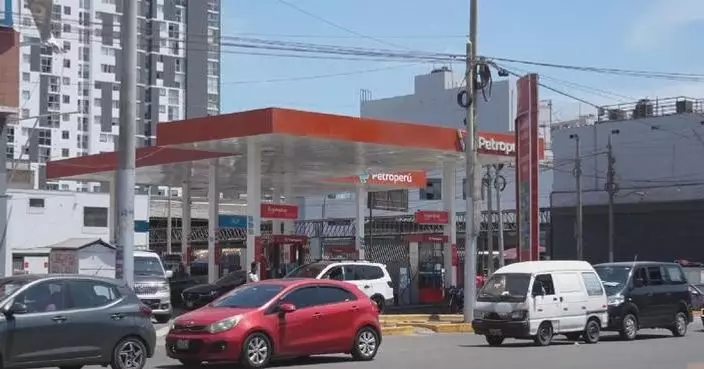
The spokesman said fuel supplies remain under control in Iraq.
"For example, daily gasoline production is currently around 29 million liters, with strategic reserves of approximately 200 million liters. This means the situation is under control. Natural gas continues to reach residential areas, and citizens have access to it. Other fuel products, such as kerosene, LPG for vehicles and diesel, are also available. Fuel is also being supplied to power plants, allowing electricity production to continue," he said.
As the conflict has raised public concerns over the disruption to shipping through the Strait of Hormuz -- a vital passageway that typically carries about one-quarter of global seaborne oil trade, the spokesman said Iraq has multiple alternative routes to export its oil.
"The government has developed multiple alternatives for exporting and marketing Iraqi oil. For example, the pipeline from Kirkuk through Mosul and Fishkhabur to the Turkish port of Ceyhan is expected to be repaired and become operational soon. There is also another pipeline from the Kurdistan Region to Ceyhan. In addition, there are plans to use the Baniyas route in Syria, as well as a route through Jordan for transporting oil products. These options are being prepared to ensure exports can continue under different circumstances," he said.
The spokesman said the Ministry of Oil also has contingency plans and other confidential plans to maintain Iraq's oil revenues.
Iraq able to ensure fuel supplies, oil exports despite Middle East crisis: official