Skip to Content Facebook Feature Image

CGTN documentary traces unfinished voyages on ancient Silk Road

China

China

China

CGTN documentary traces unfinished voyages on ancient Silk Road

2024-12-30 16:57 Last Updated At:17:37

In October 2022, two ancient shipwrecks were discovered on the northwest continental slope of the South China Sea. The breathtaking CGTN documentary "Silk Road Sunken Treasures" traces back these unfinished voyages.

In October 2022, the Shenhai Yongshi spotted the remains of two merchant ships, resting 1,500 meters deep on the northwest continental slope of the South China Sea. They are known as Shipwreck 1 and Shipwreck 2.

"Underwater, we could see clearly that the ship began to tilt. Large objects were drifting to the seabed like falling leaves to the bottom of the sea," said Xin Lixue, director of China (Hainan) Museum of the South China Sea.

"For example, perhaps the upper part of its hull was damaged as it sank. The moment it hit the seabed, the impact was strong, which perhaps caused implosions. As a result, the upper parts of the structure were hurled outward," said Deng Qijiang, director of the Institute of Underwater Archaeology under the National Center for Archaeology.

Shipwreck 1 is estimated to have over 100,000 pieces of relics. Its site area is over 10,000 square meters.

The orthophotos can clearly show Shipwreck 1. The outline of the ship reveals a dense pile of cargo. Around the wreck is a ring-shaped area of artifacts, and a tail-like area, 300 meters long and 50 meters wide, containing scattered objects.

Research suggests Shipwreck 1 dates from the Zhengde Emperor period, sometime between 1506 and 1521. It mainly contains export porcelain wares, roughly more than 100,000 pieces.

Shipwreck 2 is earlier, from the Hongzhi Emperor period, between 1488 and 1505. There is a large amount of imported ebony. Both reflect the prosperity of maritime trade during the mid-Ming Dynasty. Each vessel contained many different valuables. Yet so far, no human remains have been found.

"Behind each sunken ship is a shipwreck accident, a sad story," Xin said.

"I went on a long voyage to strive for a better life. I endured the drifting and loneliness on the sea, but I could no longer see my family members. I set out with full hope. In the end, I can never return home. I feel sad when I think of this aspect," said Feng Wanli, chief assistant of the Institute of Deep-sea Science and Engineering under the Chinese Academy of Sciences (CAS).

Xin Lixue says that China mastered watertight compartment technology over 700 years earlier than the West. China was advanced in both shipbuilding techniques and navigation skills. But no one can control the weather.

"The South China Sea experiences the monsoon season from May to December every year. Typhoons may occur at any time during this period. After the northeast monsoon sets in around November, large ships are able to set sail. They will return in May or June the following year. This is an advantage brought about by the monsoon. There are no islands or reefs within a 100-kilometer radius of the shipwrecks. So, these two ships were likely to have encountered a storm and sank," Xin said.
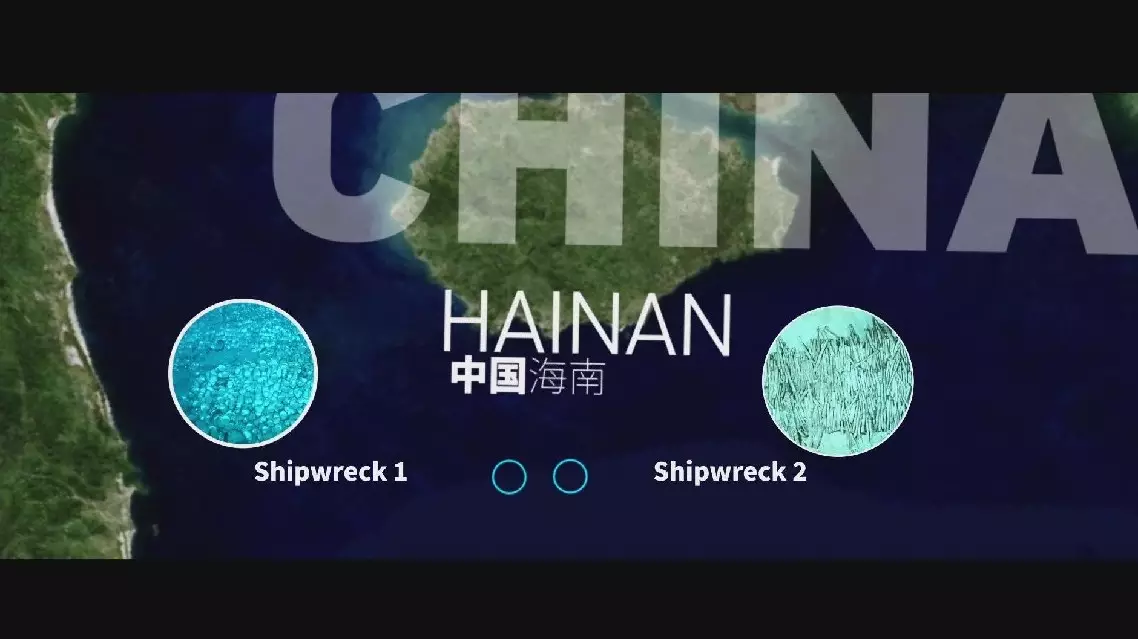
CGTN documentary traces unfinished voyages on ancient Silk Road
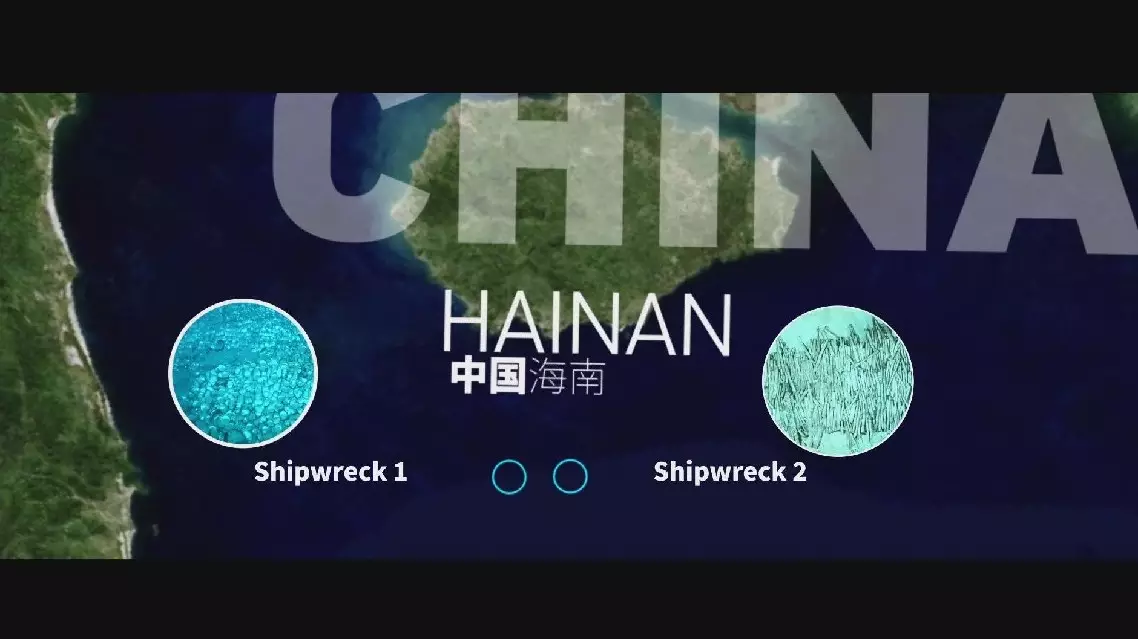
CGTN documentary traces unfinished voyages on ancient Silk Road
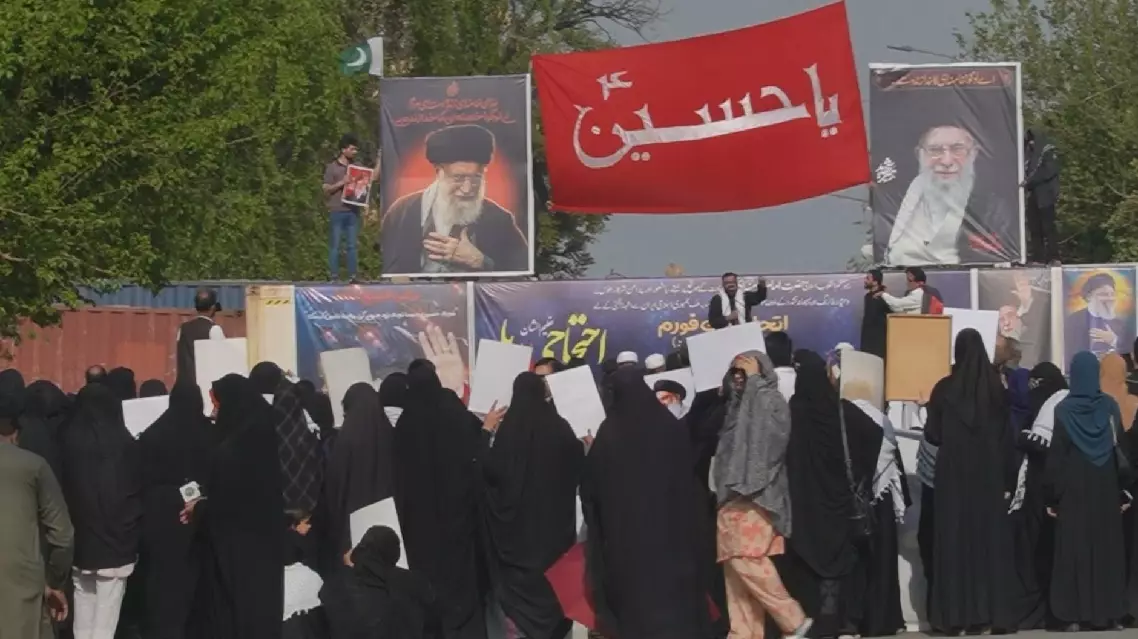
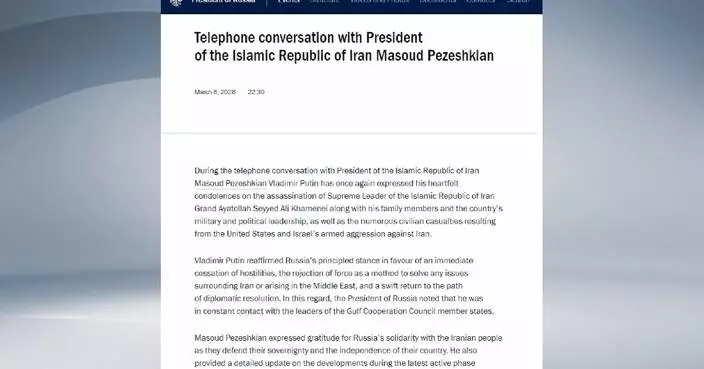
CGTN documentary traces unfinished voyages on ancient Silk Road
CGTN documentary traces unfinished voyages on ancient Silk Road
The Iranian government is focusing on public concerns and maintaining stable supplies of essential goods amid recent protests, Iranian President Masoud Pezeshkian said in a televised interview on Sunday.

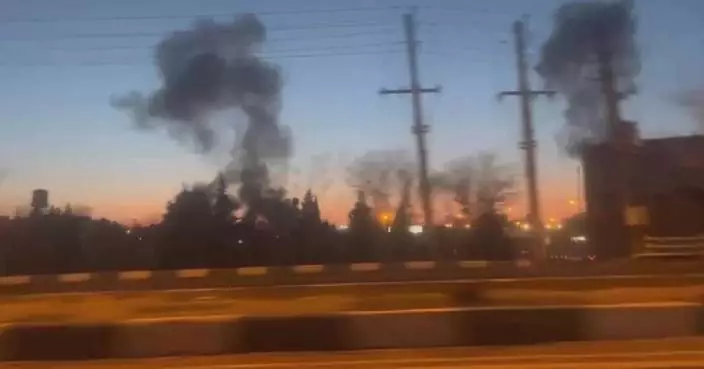
In the city of Karaj, northwest of the capital Tehran, daily life has largely continued as normal. A video filmed by a local resident on Sunday shows food stores open and grocery shelves fully stocked.

"This is the block near my home, and there are some food stores here. Daily life continues here. Last night we did not see many protests in Karaj. Right now the city is very safe. This is a grocery store close to my home. All the food is available; nothing is in shortage. Here are noodles and different types of beans. Here are dairy products, cheese, and yogurt. I also checked other grocery stores and didn't see any shortages. Everything is available," said local resident Ali Reza.

Iranian officials have described recent disturbances as acts orchestrated by the "enemy," including some carried out by well-trained and armed "terrorists." The incidents have caused casualties among security personnel and civilians, as well as property damage.

The Secretary of Iran's Supreme National Security Council Ali Larijani has directed authorities to severely punish the "terrorists."

Meanwhile, Iran's police chief Ahmad-Reza Radan said on Sunday that the police had raised alert levels and arrested several leaders of the troublemakers during the operations on Saturday.

President Pezeshkian noted in the interview that the normal demands of the Iranian people are reasonable and justified, but they must realize that triggering riots and carrying out terrorist acts are the enemy's attempts to undermine the country. He urged the public to remain vigilant.

Also on Sunday, Iranian Parliament Speaker Mohammad Baqer Qalibaf warned that Tehran would regard U.S. and Israeli bases and facilities in the Middle East as "legitimate targets" if Washington takes military action against Iran. His remarks followed media reports saying U.S. President Donald Trump is "seriously considering authorizing a strike" against Iran.

Iranian state media reported that at least 109 members of Iran's security forces have been killed in clashes since the protests began 14 days ago. Meanwhile, human rights groups based outside the country said the number of protesters killed has exceeded 200, though the figure could not be independently verified.

The protests initially erupted over a sharp depreciation of the rial and sweeping subsidy reforms. Iranian authorities have blamed the unrest on foreign-linked agents and sanctions imposed by the United States.

Iranian president says government focusing on ensuring supplies amid protests

Iranian president says government focusing on ensuring supplies amid protests

Recommended Articles