
LONDON--(BUSINESS WIRE)--Jan 8, 2025--
VitVio brings computer vision and artificial intelligence to surgical operating theaters to improve surgical efficiency, patient outcomes, and hospitals’ ROI. The Royal Orthopaedic Hospital NHS Foundation Trust (ROH), one of the UK's three leading medical institutions in orthopedic care and ' one of the best hospitals in the world ' has started a pilot program with VitVio.
This press release features multimedia. View the full release here: https://www.businesswire.com/news/home/20250108468427/en/
The NHS England waiting list hit 7.6 million cases in April 2024 – a threefold rise since 2010. Of the 7.6 million cases, more than 302,500 involved waits longer than 52 weeks. About 50,400 cases were waiting for more than 65 weeks, and nearly 5,000 involved waits of more than 78 weeks 1. Operating rooms (ORs) constitute 40% of hospital spending. This financial strain is expected to worsen as waiting lists grow.
In the United States, surgical equipment inefficiencies lead to around $1,800 in unplanned costs per surgery. 2 An average of 744 procedures per operating room annually amounts to approximately $1.4 million per year per OR. Considering the 35,870 operating rooms in the US hospitals, these inefficiencies sum up to $50 billion annually. 3 Additionally, the Agency for Healthcare Research and Quality reports approximately 1.3 million readmissions per year due to surgical complications, costing hospitals an excess of $19.5 billion annually at an average of $15,000 per case. Based solely on peer-reviewed research, these issues contribute to a total excess cost of $70 billion annually for US hospitals. This figure does not include any additional knock-on effects, delays, or costs beyond the operating room.
Hospitals are in dire need of automation within operating theaters. By harnessing AI-powered solutions, hospitals could save millions of dollars annually, reducing wasted supplies, unplanned costs, and unnecessary readmissions.
With cameras and sensors installed in operating theaters and integrated with the hospital’s existing health information systems, VitVio's AI algorithms operate seamlessly, tracking and analyzing every aspect of the surgical procedure—from tool usage and surgical stages to adherence to safety protocols. This real-time data is accessible to medical professionals via a dashboard, providing updates on surgery progress, estimates of remaining times, and alerts for deviations from standard protocols. Theater coordinators and hospital administrators benefit from OR analytics, utilizing VitVio's insights for scheduling surgeries more efficiently, planning resource allocation, and making informed decisions to improve overall OR utilization. The platform's analytics also offer valuable feedback for continuous improvement in surgical practices and patient care.
Post-surgery, VitVio provides detailed reports, identifying successes and opportunities for improvement, and encouraging continuous learning opportunities. These insights fuel debriefing sessions for surgical teams to review performance, address flagged issues, and plan enhancements. Cumulative data gathered by VitVio aids in understanding surgical operations and guiding evidence-based strategies to improve efficiency, reduce costs, and elevate patient safety.
“The Royal Orthopaedic Hospital is known as one of the UK’s leading institutions in terms of outcomes and efficiency and, naturally, they have decided to utilize our platform and leverage the cutting-edge AI technology to even further increase the efficiency of surgical procedures,” says Thomas Knox, Co-Founder and CEO at VitVio. “By autonomously tracking surgical processes and tools, VitVio minimizes the potential for human error and adds no extra steps to the surgical process, aligning with industry experts' consensus on the importance of non-intrusive technology.”
VitVio’s deep technical solutions are created by a team with expertise in computer vision and AI, along with extensive experience deploying similar technology that revolutionized the retail space. The co-founders Thomas Knox (CEO), Dr. Peter Rennert (CTO), Maks Kozarzewski (COO) and Aleks Pajewski (CPO) and their team bring experience from over 150 deployments at AiFi and Standard AI, leading autonomous retail companies - uniquely positioning VitVio to tackle the major inefficiencies in hospitals today.
Steve Washbourne, Executive Director of Finance at the ROH said: “We are excited to be partnering with VitVio to take advantage of advances in technology that will help us drive improvement in our theaters. The NHS faces significant challenges, so we need to be innovative to find solutions. New technology is one area we have been keen to explore – though this collaboration isn't just about advanced technology. It is about empowering our staff with the tools they need to focus on what matters most – providing the best care for patients. By streamlining processes, we’re looking forward to a more efficient surgical experience.”
From the initial setup to the ongoing daily use and beyond, VitVio remains a powerful tool for transforming surgical operations, offering a user experience tailored to the needs and challenges of modern healthcare facilities. VitVio emphasizes ease of use, actionable insights, and integration into existing workflows, ensuring that the transition to a more data-driven operating theater environment is smooth and beneficial for all stakeholders involved.
“We at LDV Capital are thrilled to partner with the brilliant team at VitVio. Their real-time AI-powered platform will exponentially increase operating room ROI and safety for hospitals while hopefully positively impacting patient care. VitVio will deliver a leapfrog technical solution to operating theaters by leveraging computer vision and artificial intelligence which have been a core expertise of our LDV Capital firm since being founded in 2012,” said Evan Nisselson, Founder and General Partner at LDV Capital.
“When we met the founder team at VitVio, we were immediately attracted to their technical capability proven out in an adjacent area and the giant impact that VitVio’s technology can have on the economics of hospitals, as well as improved health outcomes. The vast advantage that applied AI can bring to healthcare makes for a very compelling investment case. We are excited to partner with VitVio on its journey,” added Cem Sertoglu, Managing Partner at Bek Ventures.
The new funding will be used to extend the capabilities of VitVio's platform and deploy the technology at partner hospitals. Several more partnerships with leading hospitals across the US, UK, and Europe are being finalized, with further announcements coming soon.
About VitVio
VitVio autonomously tracks and analyzes surgical procedures, tool usage, and adherence to protocols in real-time – increases the number of surgeries performed per day, reduces delays, improves communication actionability, and reduces the likelihood of readmissions. Developed by a team with deep expertise in computer vision, AI, and healthcare, looking to embrace the future of healthcare technology.
About ROH
The Royal Orthopaedic Hospital NHS Foundation Trust (ROH) is one of the largest specialist orthopaedic units in Europe, offering planned orthopaedic surgery to people locally, nationally, and internationally. It was named ' one of the best hospitals in the world ' by Newsweek in 2022.
The Trust is an accredited Veteran Aware organisation, receiving the award in 2024, and achieved 'Disability Confident Leader' status in April 2022.
The Royal Orthopaedic Hospital NHS Foundation Trust has a vibrant research portfolio of clinical trials, observational studies and laboratory studies exploring new treatment options, new approaches in rehabilitation and therapy, and new medical devices.
About LDV Capital
LDV Capital is a thesis-driven early-stage venture fund investing in people building businesses powered by visual technology that leverage computer vision, machine learning and artificial intelligence to analyze visual data. Deep knowledge of the domain, extensive expert network and unique platform initiatives have made LDV Capital a leader in the visual tech ecosystem. Led by serial entrepreneur Evan Nisselson, LDV Capital has been investing in pre-seed and seed-stage teams across North America and Europe since 2012.
About Bek Ventures
Bek Ventures is a global venture capital firm accompanying a select group of early-stage founders from their earliest days to global scale with relentless, hands-on support. Currently in its second decade, Bek has backed multi-billion-dollar successes such as UiPath and Payhawk and been recognized as the top-performing VC globally since 2010 by HEC / Dow Jones. Bek has offices in London, New York, Luxembourg and Istanbul.
About Tiny Supercomputer Investment Company
Tiny Supercomputer Investment Company invests in great companies when they’re tiny. Since 2017, TSIC have backed over 400 companies, partnering with ambitious and technical founders from day one. Portfolio includes companies like Wayve, Synthesia, 11x, and Prisma.

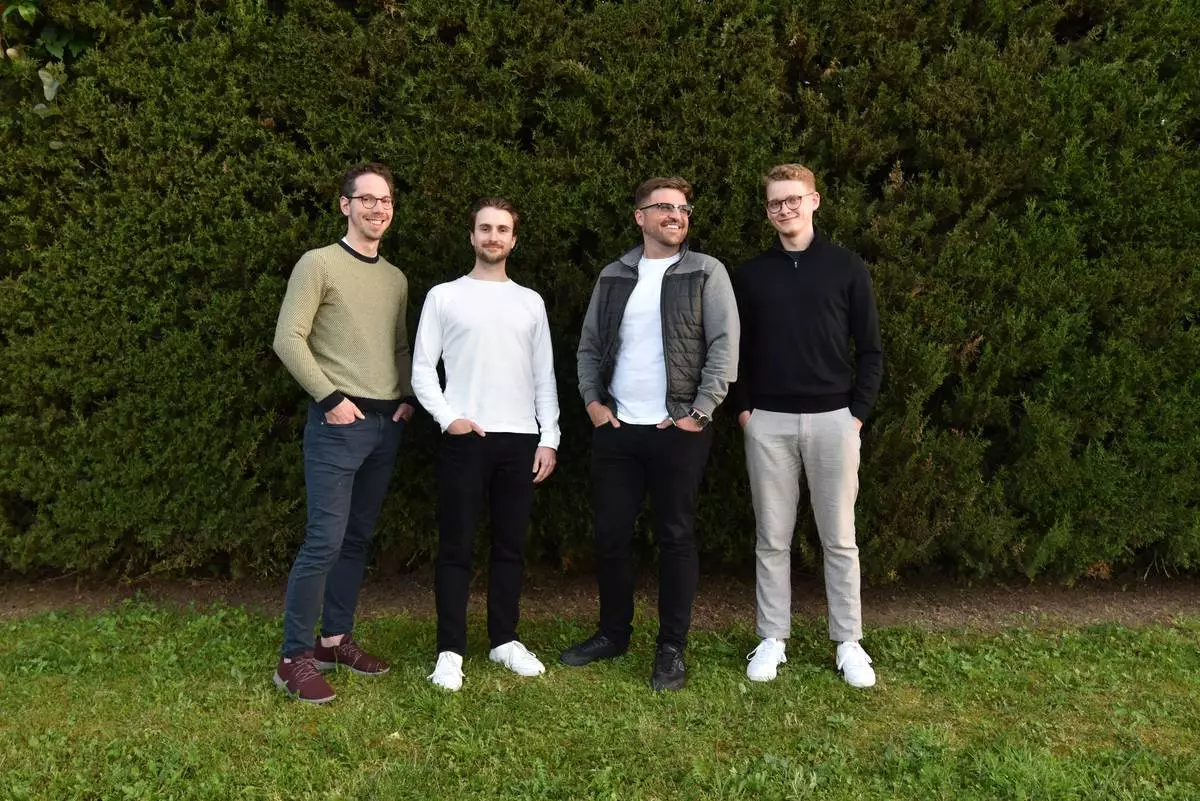
Founders of VitVio (from left to right: Dr Peter Rennert, Aleks Pajewski, Thomas Knox, Maks Kozarzewski) (Photo: Business Wire)
Royal Orthopaedic Hospital, UK (Photo: Business Wire)