PARK CITY, Utah (AP) — Marlee Matlin gives an unflinchingly honest account of her experiences as a deaf actor in the funny and revelatory documentary “Marlee Matlin: Not Alone Anymore.” The film kicked off the 41st Sundance Film Festival Thursday, as the first major premiere in the Eccles Theater in Park City, Utah.
After the screening audiences in the theater, some wiping tears away, greeted Matlin with a standing ovation when she took the stage.
Click to Gallery
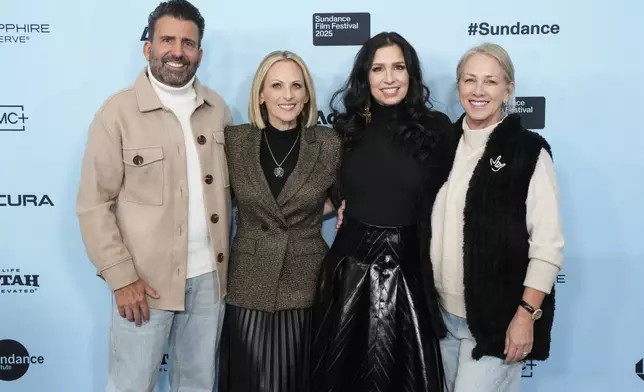
John Maucere, from left, Marlee Matlin, Shoshannah Stern, and Liz Tannebaum attend the premiere of "Marlee Matlin: Not Alone Anymore" during the Sundance Film Festival on Thursday, Jan. 23, 2025, at Eccles Theatre in Park City, Utah. (Photo by Charles Sykes/Invision/AP)
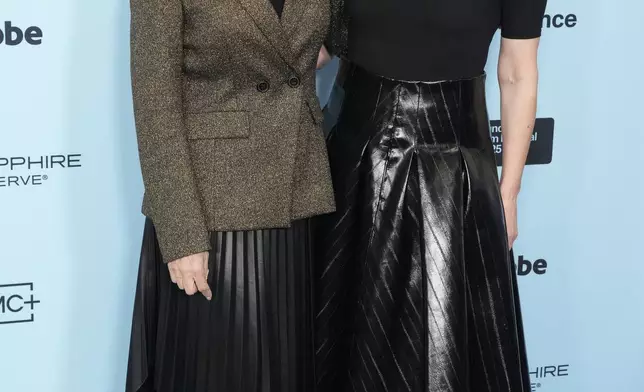
Marlee Matlin, left, and Shoshannah Stern attend the premiere of "Marlee Matlin: Not Alone Anymore" during the Sundance Film Festival on Thursday, Jan. 23, 2025, at Eccles Theatre in Park City, Utah. (Photo by Charles Sykes/Invision/AP)
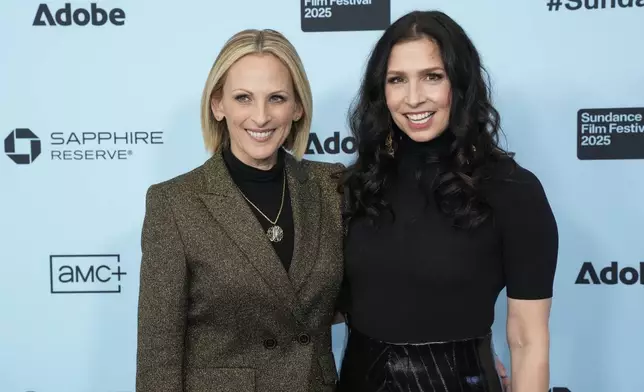
Marlee Matlin, left, and Shoshannah Stern attend the premiere of "Marlee Matlin: Not Alone Anymore" during the Sundance Film Festival on Thursday, Jan. 23, 2025, at Eccles Theatre in Park City, Utah. (Photo by Charles Sykes/Invision/AP)
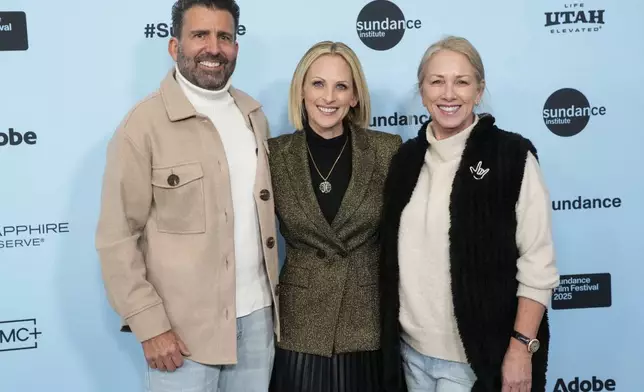
John Maucere, from left, Marlee Matlin, and Liz Tannebaum attend the premiere of "Marlee Matlin: Not Alone Anymore" during the Sundance Film Festival on Thursday, Jan. 23, 2025, at Eccles Theatre in Park City, Utah. (Photo by Charles Sykes/Invision/AP)
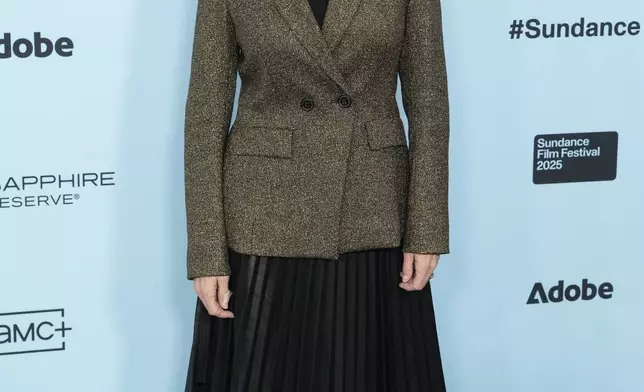
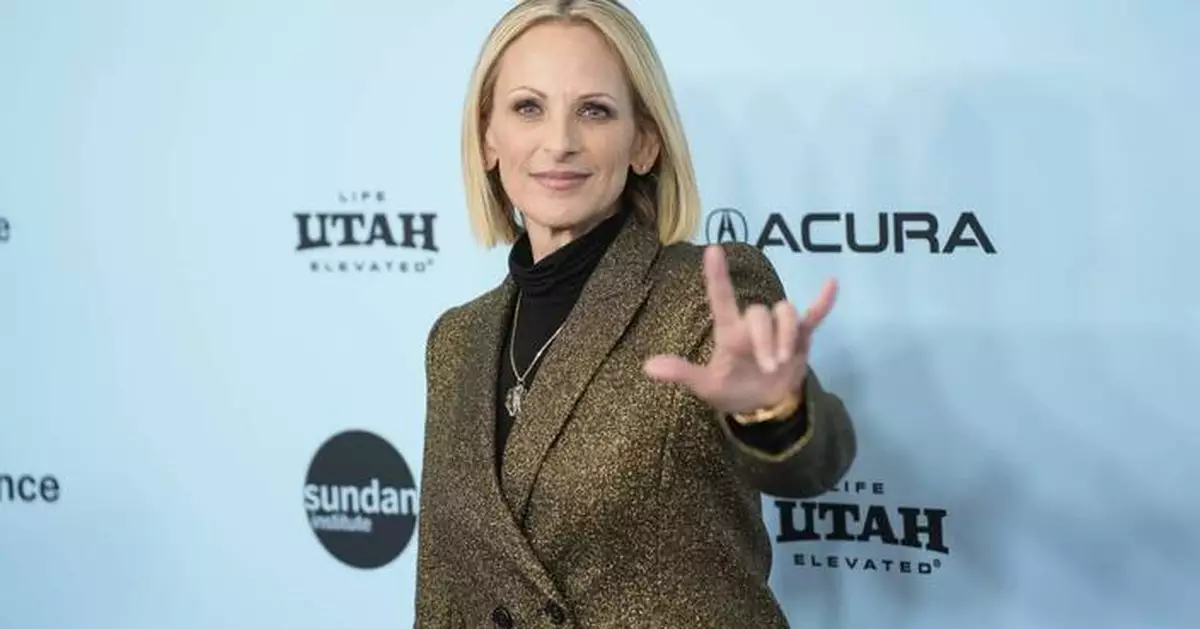
Marlee Matlin attends the premiere of "Marlee Matlin: Not Alone Anymore" during the Sundance Film Festival on Thursday, Jan. 23, 2025, at Eccles Theatre in Park City, Utah. (Photo by Charles Sykes/Invision/AP)
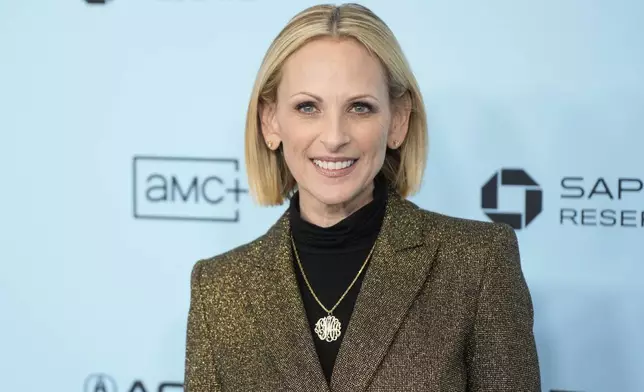
Marlee Matlin attends the premiere of "Marlee Matlin: Not Alone Anymore" during the Sundance Film Festival on Thursday, Jan. 23, 2025, at Eccles Theatre in Park City, Utah. (Photo by Charles Sykes/Invision/AP)
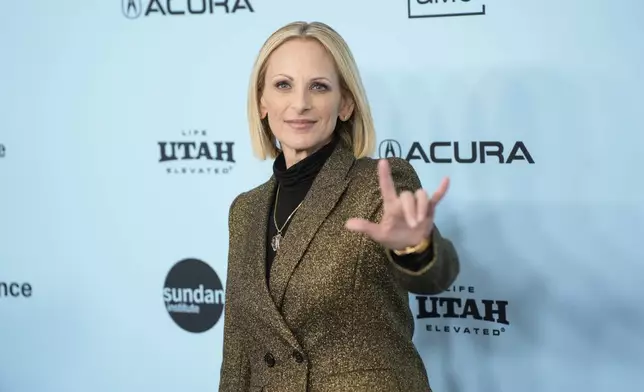
Marlee Matlin attends the premiere of "Marlee Matlin: Not Alone Anymore" during the Sundance Film Festival on Thursday, Jan. 23, 2025, at Eccles Theatre in Park City, Utah. (Photo by Charles Sykes/Invision/AP)
The film delves into all aspects of her life, personal and professional: Her childhood and how her family handled learning she had become deaf at 18 months; her experience winning the best actress Oscar for her first movie role in “Children of a Lesser God” and her allegedly abusive romantic relationship with her co-star, the late William Hurt, which he denied; and her experiences in an industry not equipped to accommodate deaf actors.
The film was directed by Shoshanna Stern, who also is deaf. Matlin specifically requested that Stern take on the project when American Masters approached her about doing a documentary.
Matlin has written about her experiences before, including her volatile relationship with Hurt and drugs, in a memoir, “I’ll Scream Later.” But before the #MeToo movement, she felt her allegations were largely dismissed or glossed over.
Interviews from the book's press tour show journalists were more interested in the “amazing sex” she said she had with Hurt than the stories of the alleged physical and verbal abuse. One interviewer asked her why she waited “so long” to come forward with the claims.
The documentary isn’t just a portrait of Matlin, but a broader look at deaf culture and how Matlin was thrust into the spotlight at a young age as a de facto spokesperson for all deaf causes.
In addition to being the first, and until Troy Kotsur won for “CODA” in 2022, only deaf actor to win an Academy Award, she helped lobby Congress for closed captioning and delved into the Gallaudet University protest about hiring hearing people to preside over the university, which is the subject of another Sundance documentary, “Deaf President Now!”
Matlin also faced backlash when she spoke while presenting the best actor Oscar the year after she won, an experience that she said made her distance herself from deaf causes.
It features moving interviews from her longtime translator and other important figures in her life such as Henry Winkler, who met her when she was a student at age 12.
Winkler watched her perform a song during a school production after she wrote him a fan letter. Later, she stayed in his home for two years after her breakup with Hurt and had her wedding there. In the film, Matlin said she never would have pursued acting if it weren’t for Winkler, although he disagreed.
The film is closed captioned and includes verbal translations for hearing audiences. In a unique approach, the subjects were interviewed by Stern with an earpiece, allowing them to hear translations from another room.
Matlin said she has struggled occasionally to convince the industry to let her play roles that aren’t necessarily written for a deaf actor. Aaron Sorkin, who wrote a part for her in “The West Wing,” dispelled the notion it is difficult to write for deaf actors.
When “CODA” came around, the studio wanted to cast an A-list, hearing male star opposite Matlin. She threatened to walk if it weren’t a deaf actor and was gratified when Kotsur won the Oscar, hence the “not alone anymore” subtitle. Her big disappointment was not being able to say a few words on stage during the event.
Asked why this moment was the right time for a documentary, Matlin said, “It’s never really the right time. So, why not?”
For more coverage of the 2025 Sundance Film Festival visit: https://apnews.com/hub/sundance-film-festival.
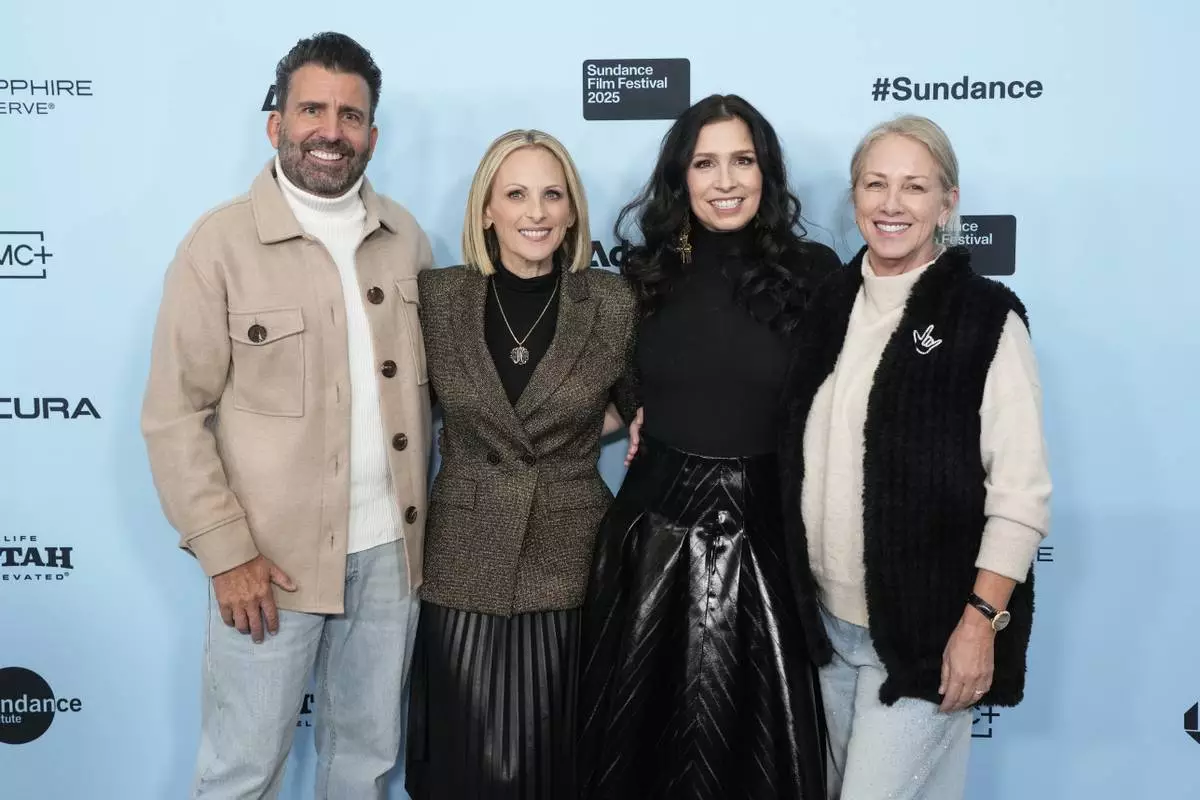
John Maucere, from left, Marlee Matlin, Shoshannah Stern, and Liz Tannebaum attend the premiere of "Marlee Matlin: Not Alone Anymore" during the Sundance Film Festival on Thursday, Jan. 23, 2025, at Eccles Theatre in Park City, Utah. (Photo by Charles Sykes/Invision/AP)
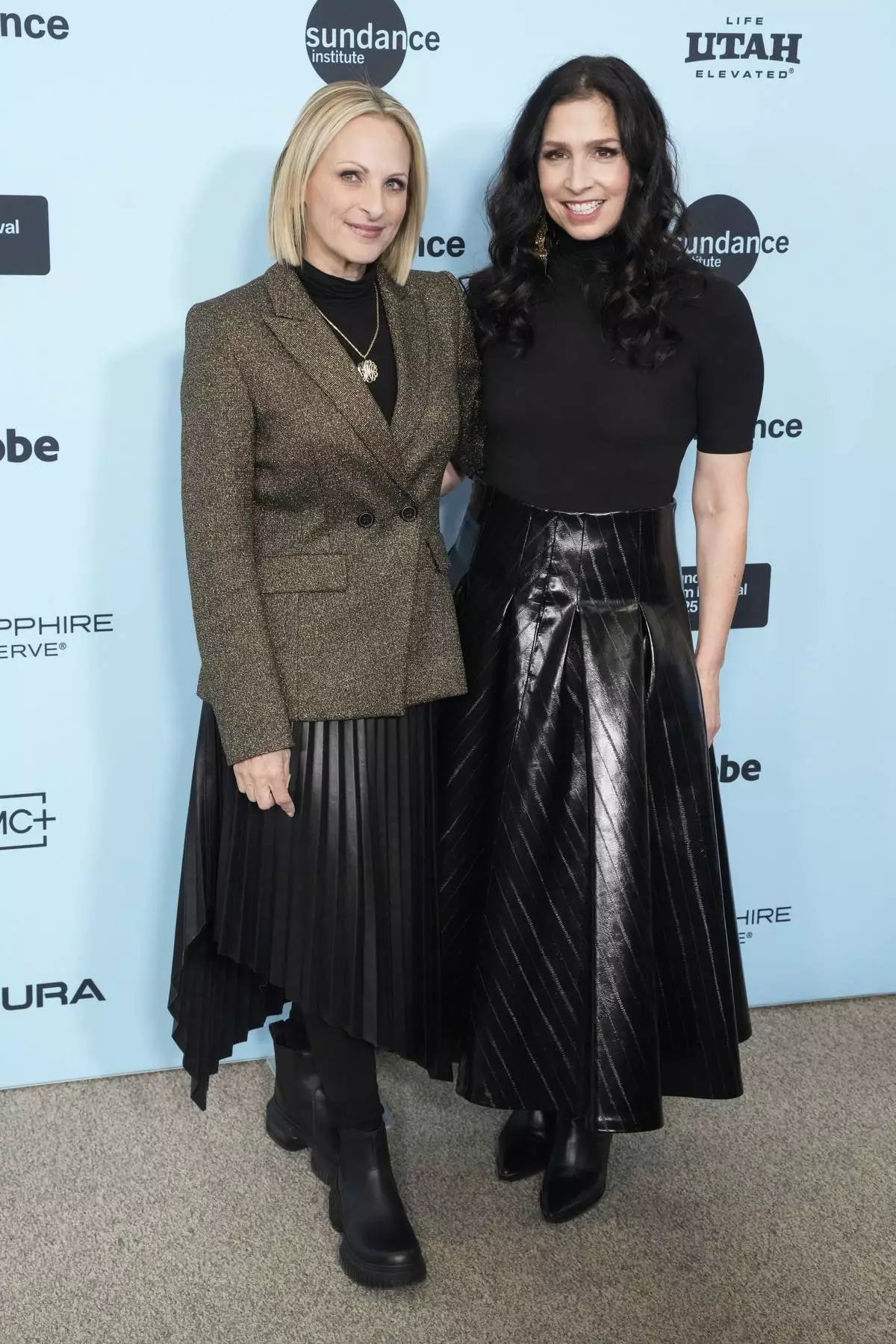
Marlee Matlin, left, and Shoshannah Stern attend the premiere of "Marlee Matlin: Not Alone Anymore" during the Sundance Film Festival on Thursday, Jan. 23, 2025, at Eccles Theatre in Park City, Utah. (Photo by Charles Sykes/Invision/AP)
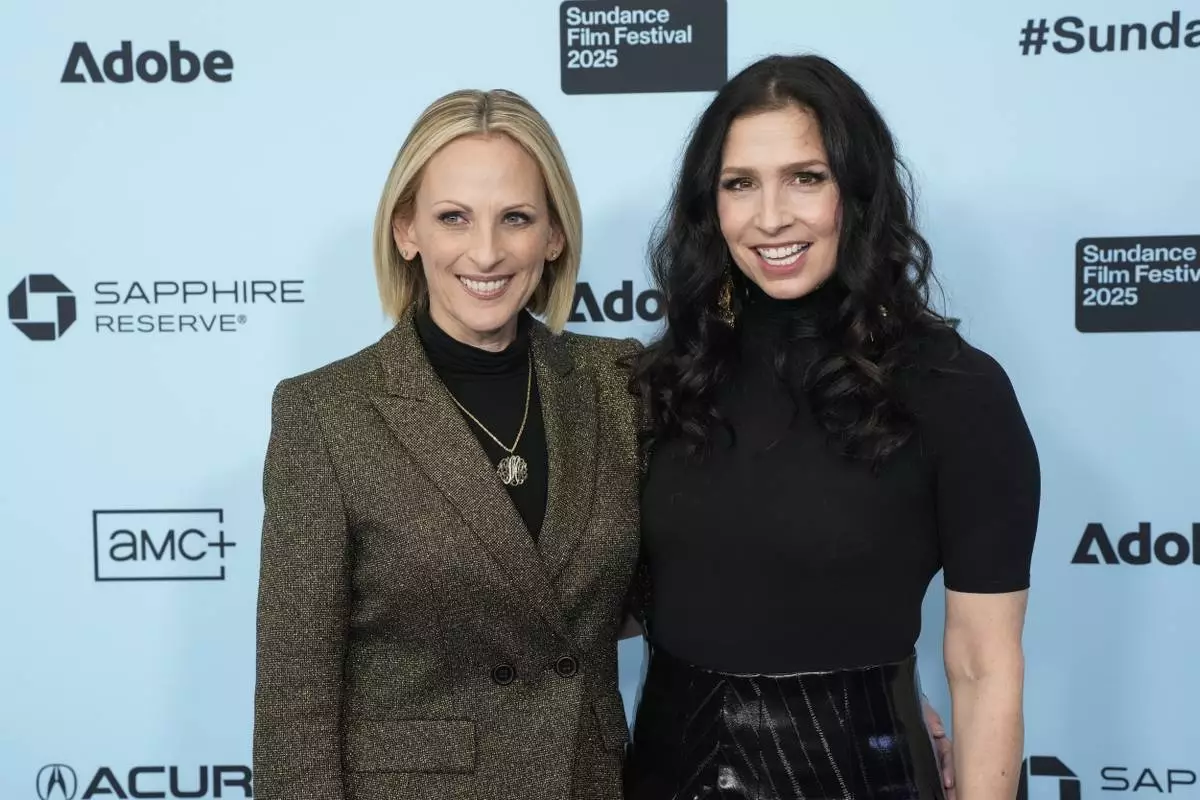
Marlee Matlin, left, and Shoshannah Stern attend the premiere of "Marlee Matlin: Not Alone Anymore" during the Sundance Film Festival on Thursday, Jan. 23, 2025, at Eccles Theatre in Park City, Utah. (Photo by Charles Sykes/Invision/AP)
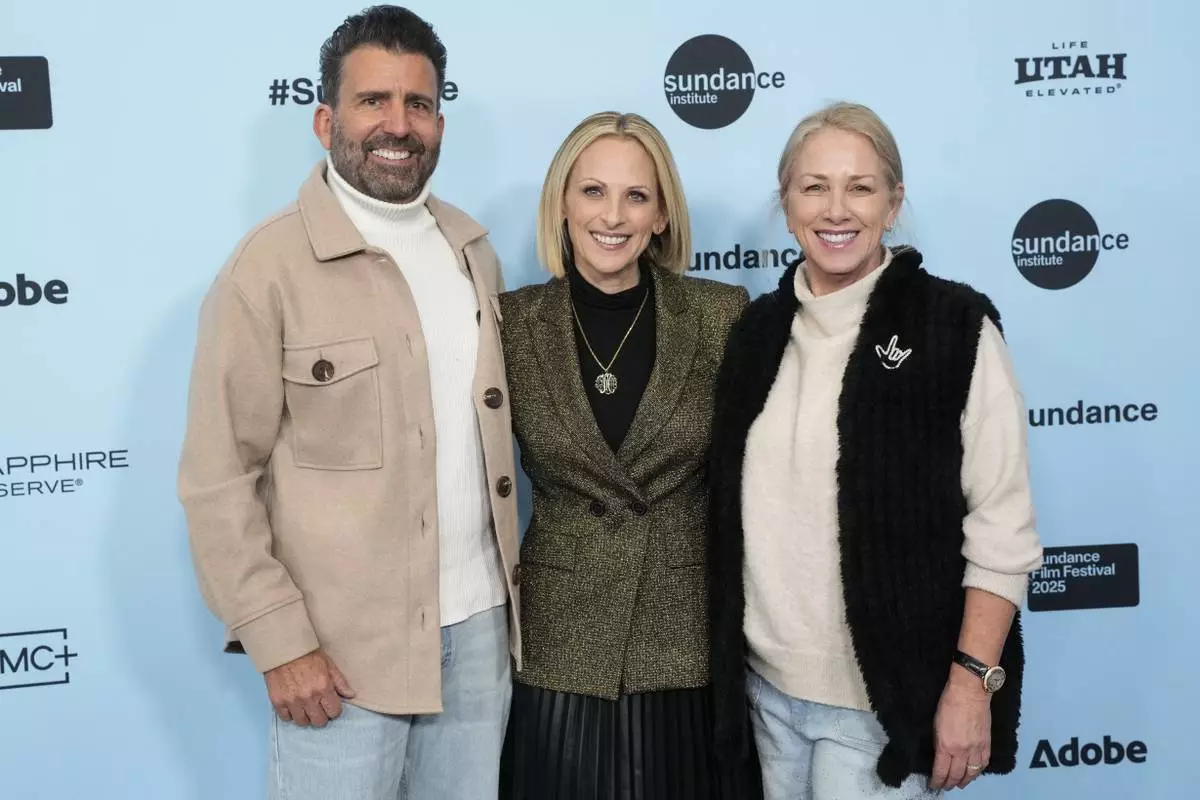
John Maucere, from left, Marlee Matlin, and Liz Tannebaum attend the premiere of "Marlee Matlin: Not Alone Anymore" during the Sundance Film Festival on Thursday, Jan. 23, 2025, at Eccles Theatre in Park City, Utah. (Photo by Charles Sykes/Invision/AP)
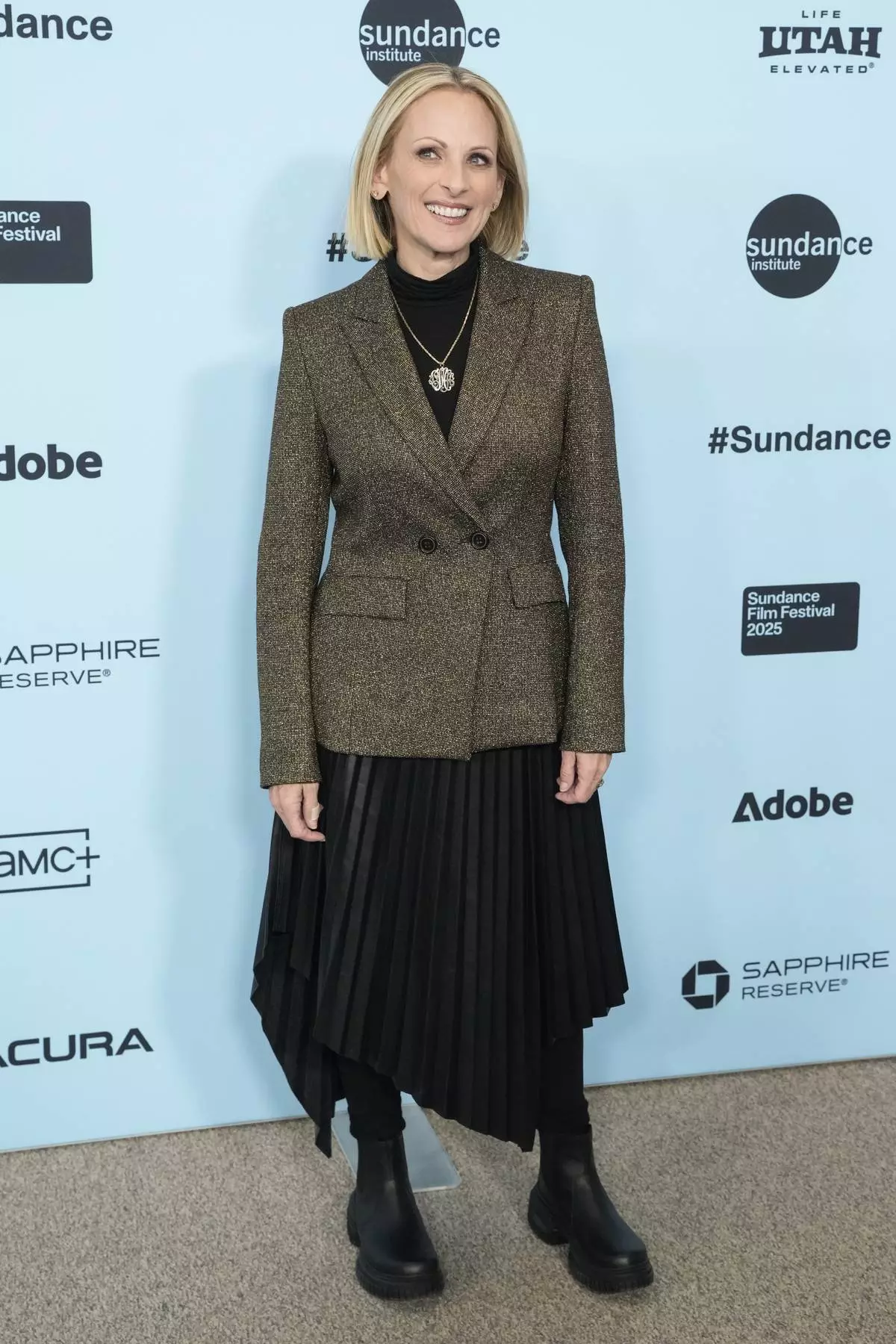
Marlee Matlin attends the premiere of "Marlee Matlin: Not Alone Anymore" during the Sundance Film Festival on Thursday, Jan. 23, 2025, at Eccles Theatre in Park City, Utah. (Photo by Charles Sykes/Invision/AP)
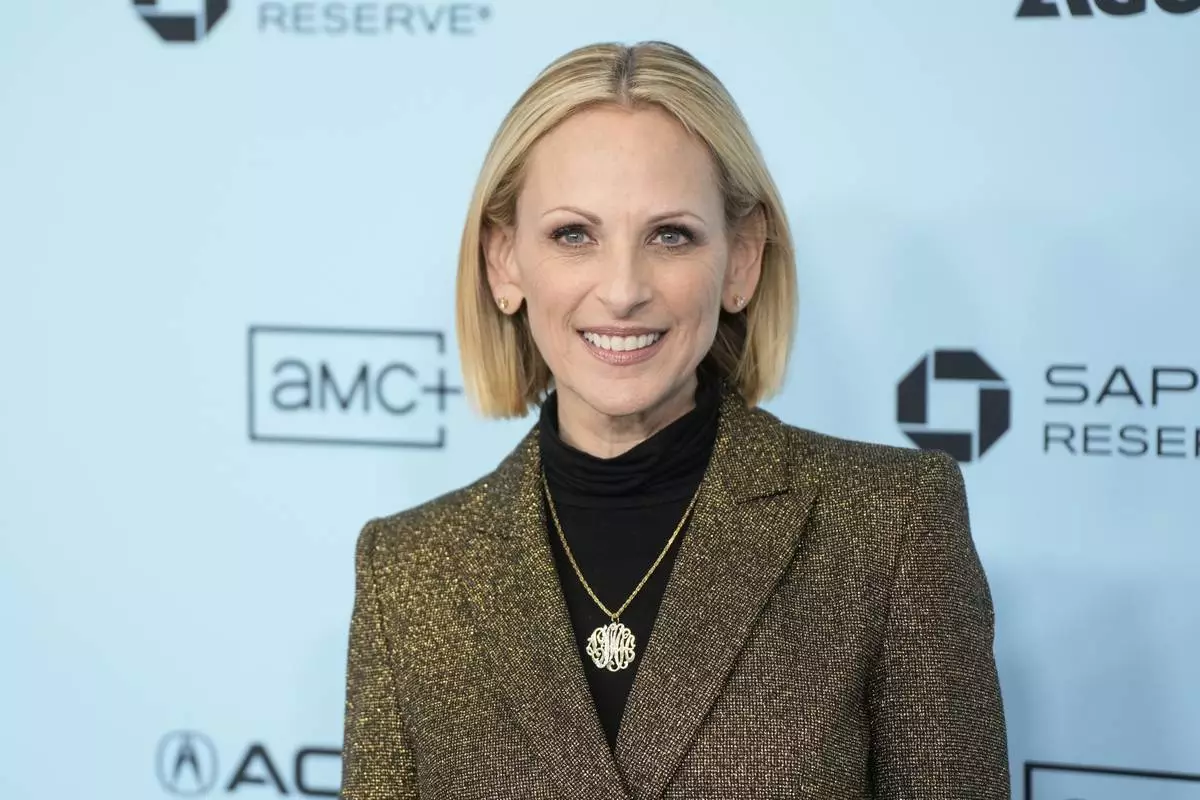
Marlee Matlin attends the premiere of "Marlee Matlin: Not Alone Anymore" during the Sundance Film Festival on Thursday, Jan. 23, 2025, at Eccles Theatre in Park City, Utah. (Photo by Charles Sykes/Invision/AP)
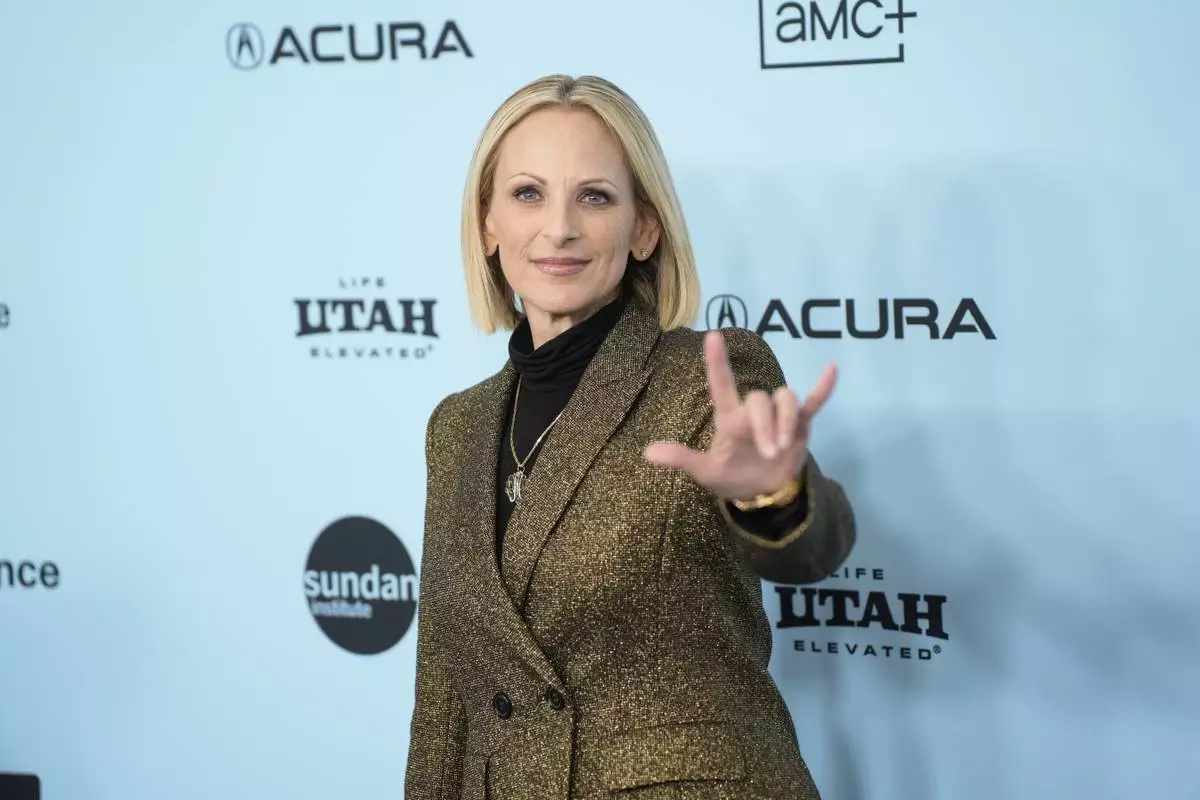
Marlee Matlin attends the premiere of "Marlee Matlin: Not Alone Anymore" during the Sundance Film Festival on Thursday, Jan. 23, 2025, at Eccles Theatre in Park City, Utah. (Photo by Charles Sykes/Invision/AP)