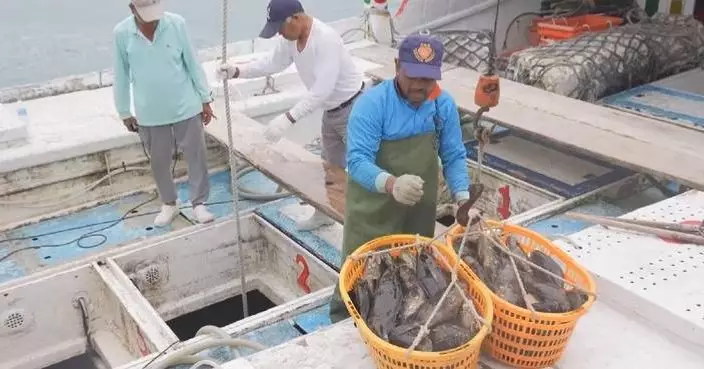
Israel's agriculture sector has suffered great losses since the outbreak of conflict between the country and Hamas, leading to the exile of farmers and damage to the land.
While agriculture constitutes only 1 percent of Israel's GDP, it plays a vital role in supporting food security and rural livelihoods.
A large portion of the harvesting in Israel occurs in kibbutzim -- collective farming communities that are deeply rooted in the country's agricultural history.
Israel has been fighting on several fronts over the past 15 months. Although the primary focus has been on Hamas, clashes with Hezbollah in Lebanon have also had a profound impact.
When the conflict erupted in October 2023, many foreign laborers that worked in kibbutz fields left the country, causing operations to nearly halt. However, the greater damage comes from missile attacks, which have left long-lasting scars on the land.
The Kibbutz Malkia, located in northern Israel less than one kilometer from the Lebanese border, was among the hardest hit during the clashes.
The fields where Hezbollah missiles landed inflicted devastating crop damage, further impacting the region's agricultural sector.
"Normally, when the missiles fall on the trees, the area will explode, and the big problem is that it starts a fire. The war started in October, and the weeds were still very dry, and missiles fell down and started the fire in the area. We heard the missiles fall, we run into the field with stuff to stop the fire," said Amit Cohen, Head of Agriculture of Malkia Kibbutz.
Cohen estimates it will take six to seven years for the fields to recover and produce crops as they did before the conflict.
"In like short-term damage it's like the missile do damage in the irrigation system, the trees, and the long term, it's like the tree is not producing. Now we are dealing with calculation with account manager and stuff, and it's around only in Malkia between seven to 10 million dollars," he said.
Despite all the devastation he has experienced, Cohen holds onto the hope of peace with his neighbors.
"As we see it, I want peace, the people here want peace. If they say, civilians live here, they have farms, they are doing businesses, it's okay with me. I can go inside and do business with them. I have no problem," he said.
Border towns like Kiryat Shmona also face the challenge of being restored -- not just from missile damage but from long-term abandonment.
"It will be years before we'll know the full extent of the economic damage. In general, all I can say is that Kiryat Shmona is a city that we will now have to build back up from square one," said Ze'ev Zvigi, a social activist.
According to the Bank of Israel, the conflict is projected to cost the country about 66 billion U.S. dollars. Many locals are hoping that the current ceasefire agreement with Hamas will hold, paving the way for crucial recovery efforts to begin soon.
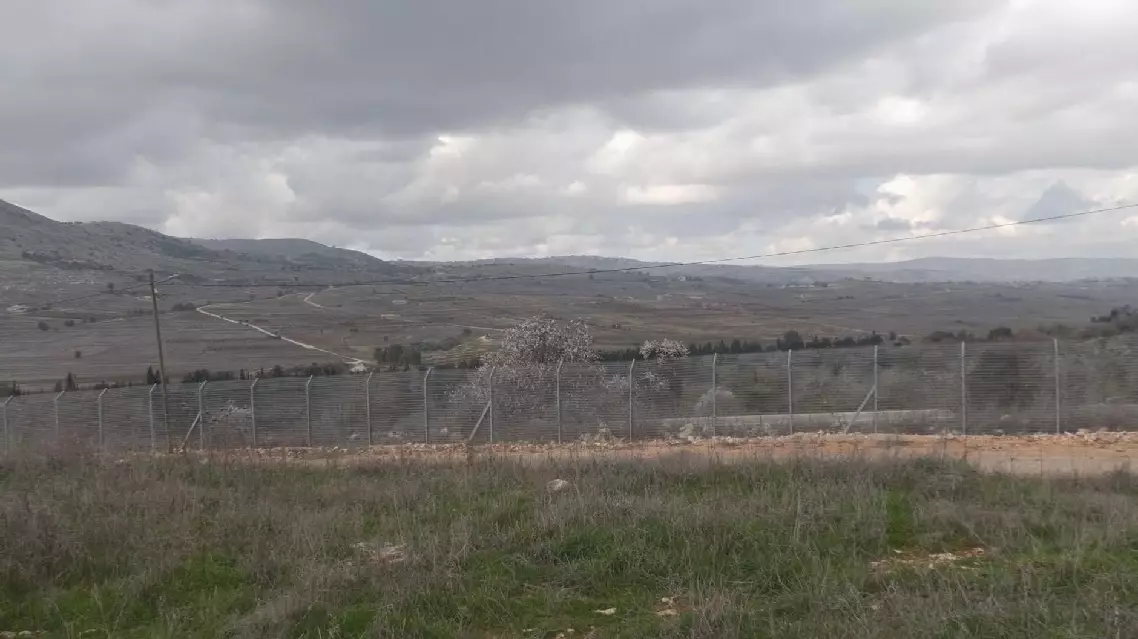
Israel's agriculture sector suffers great losses as conflict displaces farmers, hinders production