
Skip to Content Facebook Feature Image

CPG Brands are Investing in Supply Chain Collaboration and Technology to Improve End-to-End Visibility and Agility, Study Finds

News

CPG Brands are Investing in Supply Chain Collaboration and Technology to Improve End-to-End Visibility and Agility, Study Finds
News

News

CPG Brands are Investing in Supply Chain Collaboration and Technology to Improve End-to-End Visibility and Agility, Study Finds

2025-01-28 23:05 Last Updated At:23:21

BENTONVILLE, Ark.--(BUSINESS WIRE)--Jan 28, 2025--

Crisp, the collaborative commerce platform for the retail industry, announced new findings from proprietary research recently conducted with Consumer Goods Technology (CGT) magazine in its CPG supply chain technology analysis, What CPGs Want — and Need — to Build Resilient Supply Chains Today.

This press release features multimedia. View the full release here: https://www.businesswire.com/news/home/20250128270681/en/

CGT surveyed consumer packaged goods manufacturing decision-makers to assess the current state of supply chains and determine where technology investments are headed in the short and long term. The study revealed that data management, collaboration, and response to shifts in demand are top pain points across most CPG manufacturers, with 73% citing a lack of real-time inventory visibility as a high or medium priority for overcoming supply chain obstacles and 80% reporting an inability to collaborate across supply chain, sales, marketing, and finance teams.

Download the full 2024 Supply Chain Technology Study: Recalibrating For the Future Normal here.

As supply chain disruptions continue to be part of the “new normal,” CPG brands are prioritizing investments in transparency and real-time data to improve collaboration and minimize inventory impacts. The research shows that CPGs are highly motivated to enhance supply chain partner collaboration and invest in technologies to improve agility, with 84% planning to invest in real-time dashboards and 81% in advanced analytics in 2025.

“At Crisp, we are committed to empowering CPG brands with the technology, data and insights they need to mitigate supply chain risks and become more agile,” said Are Traasdahl, CEO and founder of Crisp. “This research underscores the critical importance of real-time visibility and collaboration in building more resilient and sustainable supply chains.”

Crisp supports CPG brands at every stage of their data journey, from dashboards to advanced AI-driven analytics, to help companies maintain optimal inventory across retail channels. The company facilitates collaboration and provides real-time insights and anomaly detection that enable CPG brands to proactively identify potential inventory, sales, and supply chain bottlenecks. For example, Crisp’s recent launch of AI Blueprints allows CPG brands to quickly access, analyze, and visualize supply chain metrics through open-source data templates to accelerate time to insights. The CGT research reinforces the critical need for greater visibility and data access across locations and channels to build resilient supply chains.

About Crisp

Crisp connects CPGs to real-time POS and inventory data from 40+ retailers and distributors, delivering store-level actionable insights and analytics through BI tools, cloud platforms, interactive dashboards, and more. Nearly 6,000 CPGs rely on Crisp’s retail data platform for actionable sales and supply chain insights to grow sales and streamline operations. Crisp’s mission is to reduce waste across the supply chain while giving brands and retailers the daily data and insights they need to grow their business.

Learn more at www.gocrisp.com.
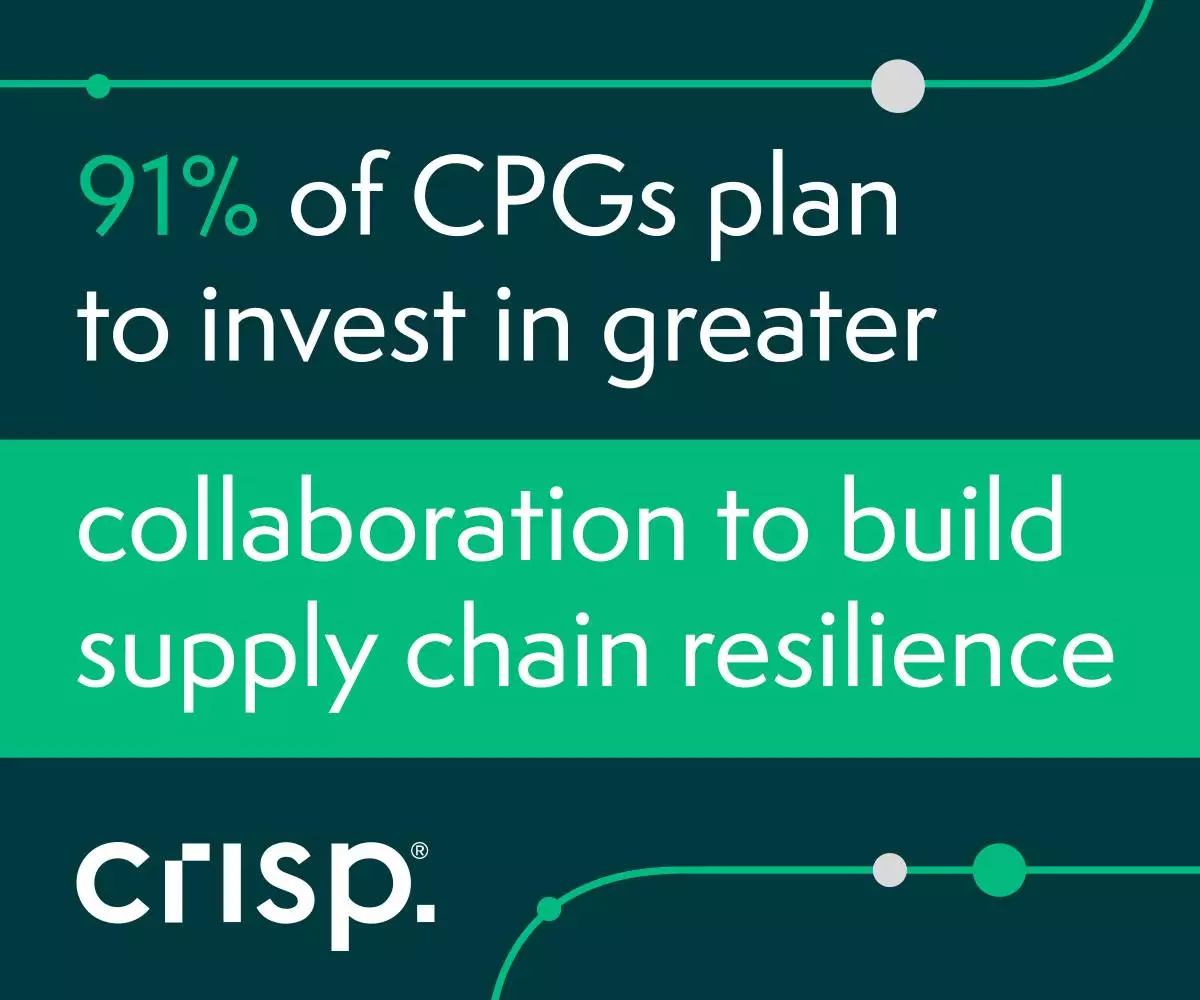
91% of CPGs plan to invest in greater collaboration to build supply chain resilience, according to Crisp and CGT Magazine research. (Graphic: Business Wire)


91% of CPGs plan to invest in greater collaboration to build supply chain resilience, according to Crisp and CGT Magazine research. (Graphic: Business Wire)

WASHINGTON (AP) — Defense Secretary Pete Hegseth said Thursday that he will allow service members to carry personal weapons onto military installations, citing the Second Amendment and recent shootings at bases across the country.

In a video posted to X, Hegseth said he is signing a memo that will direct base commanders to allow requests for troops to carry privately owned firearms “with the presumption that it is necessary for personal protection.”

He said any denial of a service member's request must be explained in detail and in writing.

“Effectively, our bases across the country were gun-free zones,” Hegseth said. “Unless you're training or unless you are a military policeman, you couldn't carry, you couldn't bring your own firearm for your own personal protection onto post.”

Questions about why service members lacked access to weapons have often emerged following shootings on the nation's military bases. Such shootings have ranged from isolated events between service members to mass casualty events, such as the shootings by an Army psychiatrist at Texas’ Ford Hood in 2009 that left 13 people dead.

Hegseth cited some of the events in his video, including a shooting that injured five soldiers at Fort Stewart in Georgia last year. Officials said the shooter, an Army sergeant who worked at the base, used his personal handgun before he was tackled by fellow soldiers and arrested.

“In these instances, minutes are a lifetime,” Hegseth said. “And our service members have the courage and training to make those precious, short minutes count.”

Defense Department policy has prohibited military personnel from carrying personal weapons on base without permission from a senior commander, with strict protocol for how the firearms must be stored.

Typically, military personnel must officially check their guns out of secure storage to go to on-base hunting areas or shooting ranges, then check all firearms back in promptly after their sanctioned use. Military police are often the only armed personnel on base, outside of shooting ranges, hunting areas or in training, where soldiers can wield their service weapons without ammunition.

Tanya Schardt, senior counsel at the Brady gun violence prevention organization, said in a statement that Defense Department leaders and the military’s top brass have opposed relaxing the current policy, which was originally enacted under President George H.W. Bush.

Schardt noted that most active duty service members who die by suicide do so with a weapon they own personally, not one military-issued, and argued that there will “undoubtedly be an increase in gun suicide and other gun violence.”

While fewer American service members died by suicide in 2024, the suicide rates among active duty troops overall still have gradually increased between 2011 and 2024, according to a Pentagon report released Tuesday.

“Our military installations are among the most guarded, protected properties in the world, and they’ve never been ‘gun-free zones,’” Schardt said. “If there is a problem with violent crime on these installations, then the Secretary of Defense has an obligation to alert the American people and describe how he’s working to prevent that crime.”

Defense Secretary Pete Hegseth speaks to members of the media during a press briefing at the Pentagon in Washington, Tuesday, March 31, 2026. (AP Photo/Manuel Balce Ceneta)

Defense Secretary Pete Hegseth speaks to members of the media during a press briefing at the Pentagon in Washington, Tuesday, March 31, 2026. (AP Photo/Manuel Balce Ceneta)

Recommended Articles