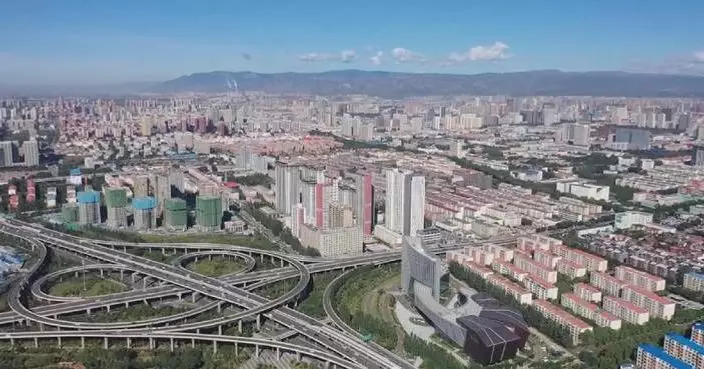
With improving market sentiment and the return of potential homebuyers after the Spring Festival holiday season, real estate companies in China are gearing up for a post-holiday market surge.
In January, the land market showed significant signs of recovery in the metropolises of Beijing, Shanghai, Shenzhen and Hangzhou, with some land auctions even seeing premiums above 20 percent.
"Last year saw many relevant policies released. In general, I believe the momentum from the holiday sales will likely continue into March and April, making the statistics for these months positive," said Yan Yuejin, deputy director of the Shanghai-based E-house China Research and Development Institute.
According to China Real Estate Information Corp., or CRIC, the total investment in land purchases by 30 key monitored developers in January reached nearly 63.8 billion yuan (about 8.73 billion U.S. dollars), a staggering 186-percent year-on-year hike.
The China Index Academy also reported that the top 100 developers' land purchases in January totaled 121.07 billion yuan (about 16.57 billion U.S. dollars), up 41.4 percent year on year, marking a shift from negative to positive growth.
On the sales front, market sentiment continues to improve.
In south China's Shenzhen City, the local housing and construction bureau recently announced that 24 new properties will enter the market in the first quarter, with some of last year's best-selling projects set to release follow-up products.
"Both new and preowned home sales are up year on year across the board, with a very strong start this year. This suggests that the market is continuing its recovery trend," said Ding Na, senior research manager at a Shenzhen-based real estate research center.
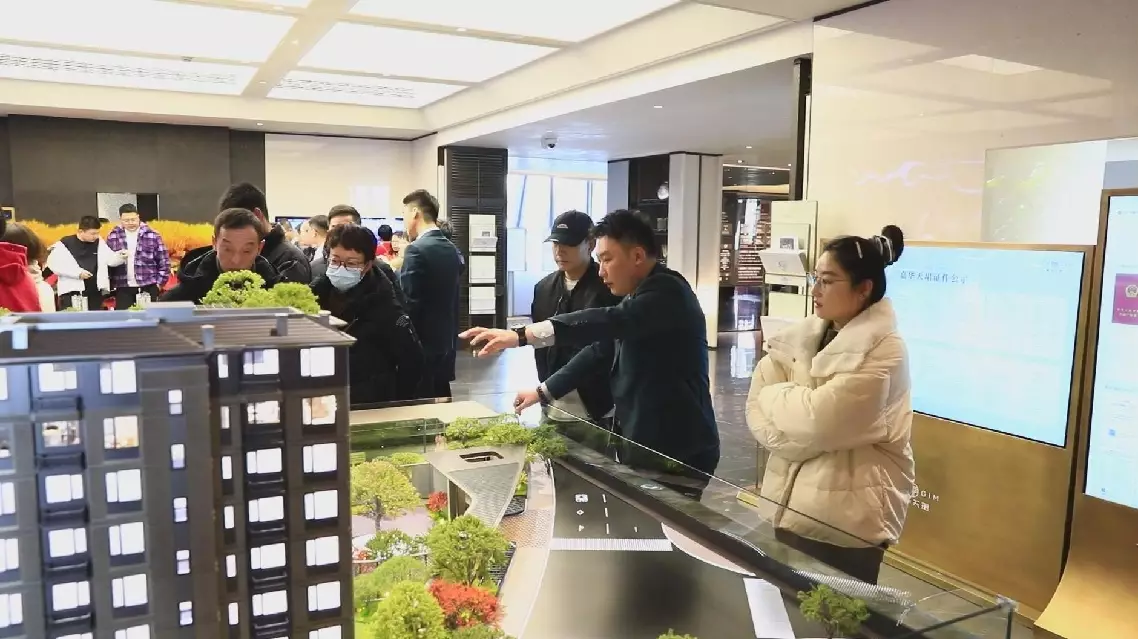
Chinese property firms gear up for market surge in new year
International Monetary Fund (IMF) Managing Director Kristalina Georgieva on Thursday called for coordinated actions to offset the Middle East War's impact on the world economy.
In a speech titled "Cushioning the Middle East War Shock" at the opening of the 2026 IMF Spring Meetings, Georgieva urged all countries to "reject go-it-alone actions, export controls, price controls, and so on" that could further disrupt global conditions.
She said that fiscal authorities should provide targeted and temporary support to the vulnerable, aligned with their medium-term fiscal frameworks.
The IMF chief also called on central banks to step in firmly with rate hikes if inflation expectations threaten to break anchor and ignite a costly price spiral, while stressing that fiscal support should remain targeted and temporary.
Furthermore, Georgieva noted that all nations must use their limited fiscal resources responsibly, and that both micro- and macro-prudential policies need to be aligned to mitigate stability risks and maintain a resilient financial system.
Since the outbreak of the U.S.-Israeli war with Iran on Feb 28, global daily oil supply has fallen by about 13 percent, while liquefied natural gas supply has dropped by roughly 20 percent, according to IMF data. Those reductions have sent international energy prices soaring.
Brent crude oil briefly jumped from 72 U.S. dollars per barrel before the conflict to 120 U.S. dollars, and while prices have since eased, they remain significantly higher than pre-war levels. The cost of accessing energy has risen sharply for many nations.
Georgieva pledged support to members with financing through the fog of uncertainty, expecting near-term demand for IMF balance-of-payments support to rise to somewhere between 20 billion and 50 billion U.S. dollars, given the spillovers of the Middle East War.
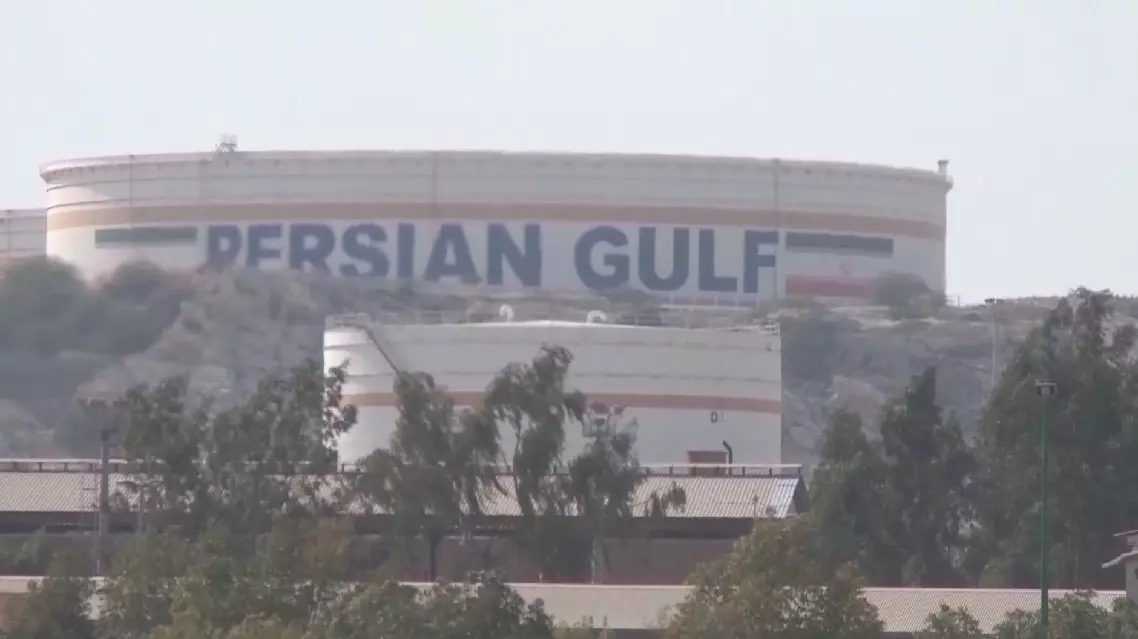
IMF chief urges coordinated actions to offset Middle East War's impact on world economy