China's light industry enterprises above the designated size achieved a revenue of 23 trillion yuan (about 3.17 trillion U.S. dollars) in 2024, up 2.0 percent year on year, with a profit of 1.5 trillion yuan, marking an 8.3 percent year-on-year increase, according to the latest data from the China National Light Industry Council.
China's light industry output maintained stable growth in 2024, with the added value of enterprises above the designated size increasing by 5.1 percent year on year.
Among the 91 major light industry products tracked by the National Bureau of Statistics, 55 recorded production growth. In particular, driven by trade-in policy, home appliances like washing machines and refrigerators saw significant output increases.
The profitability of the sector continued to improve, with the operating profit margin reaching 6.54 percent, up 0.38 percentage points from the previous year. Industries such as home appliances, batteries, and sewing machinery experienced double-digit profit growth, contributing to the overall positive trend.
Government policies aimed at boosting domestic demand and consumption led to a steady expansion of the light industry market. In 2024, retail sales of 11 categories of light industrial goods reached nearly 8 trillion yuan, marking a 5.0 percent increase. Notably, household appliances and audiovisual equipment maintained rapid growth for four consecutive months.
China's light industry exports increased steadily in 2024, with the sector's total export value growing by 3.6 percent year on year, maintaining a sustained upward trend for three consecutive months. Of the 21 major sub-industries in light manufacturing, 13 recorded export growth, demonstrating the sector's resilience in export.

China's light industry records1.5 trillion yuan profit in 2024
High in the Himalayas, Lhasa, the capital of southwest China's Xizang Autonomous Region, has quietly become one of the country's most caffeinated cities, signaling a fresh business wave in this ancient cultural hub.
With more than 800 coffee shops now serving a population of under one million, the city hosts roughly one cafe for every 1,200 residents, giving it one of the highest cafe densities in the country.
But this is not simply a transplant of Western coffee culture. On Barkhor Street in Lhasa's old town, a historic Buddhist pilgrimage circuit, baristas are stirring centuries-old yak cheese into espresso -- a blend that mirrors the city's transformation from a spiritual center into a modern regional hub.
"We have got this great Xizang-style vibe. There are plenty of cafes in Lhasa, but we are special. Locals -- even 80-year-olds -- come here for Americanos. Plus, lots of tourists, including foreigners, come just to check us out," the owner of Senxia Coffee, a local hotspot, said, revealing the secret behind his cafe's pull.
That dedication to innovation and presenting Xizang's culture through every cup have earned the shop a loyal following.
"I make a trip here once a year. It is my fourth year coming. The taste never changes, but they always have a new special to try -- and it is always great!" said a tourist from the eastern municipality Tianjin.
"It's very unique, I like it a lot. It's good coffee and it's a very nice place. The courtyard here is different than a courtyard in Germany would be," a German tourist offered similar praise.
In 2025, Lhasa's GDP crossed the 100-billion-yuan (about 14.7 billion US dollars) mark creating fertile ground for entrepreneurs, who found coffee as a light-asset business easy to start with -- small footprint, fast setup, easy to brand.
Amid intense competitions, businesses loyal to their hometown and home culture wins, Senxia's owner said.
"There are tons of entrepreneurs here. Local college grads are coming back to start businesses, and friends from inland are moving here to do the same. So the competition is actually fierce. With so many cafes around, we feel pretty lucky to have made it, and we have definitely got our own unique vibe," he said.
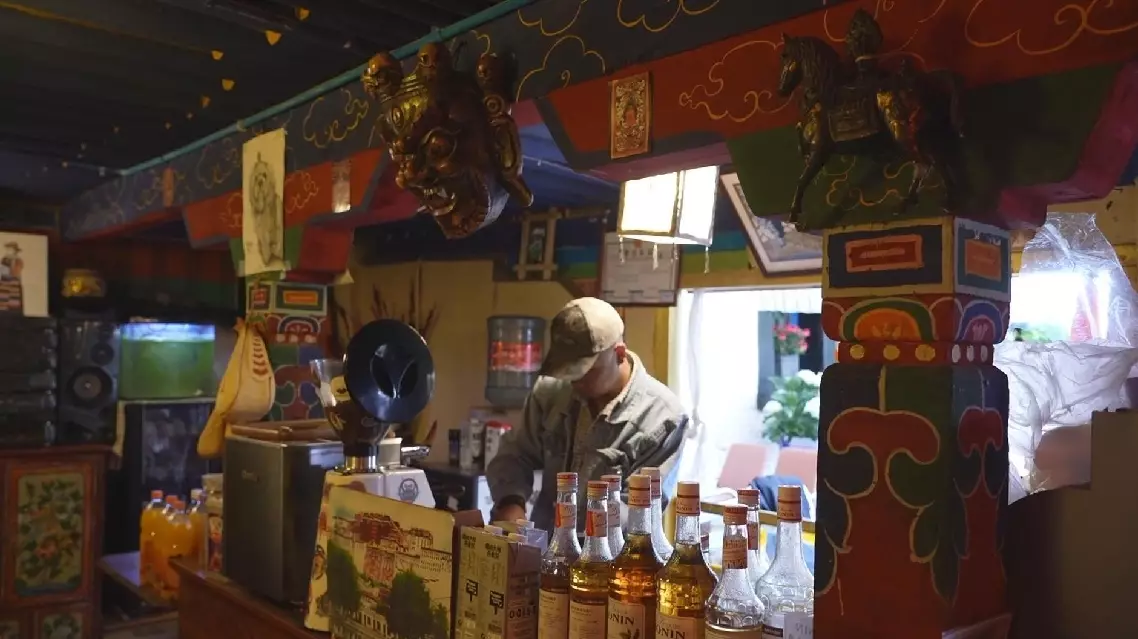
Lahsa sees booming coffee scene infused with local culture
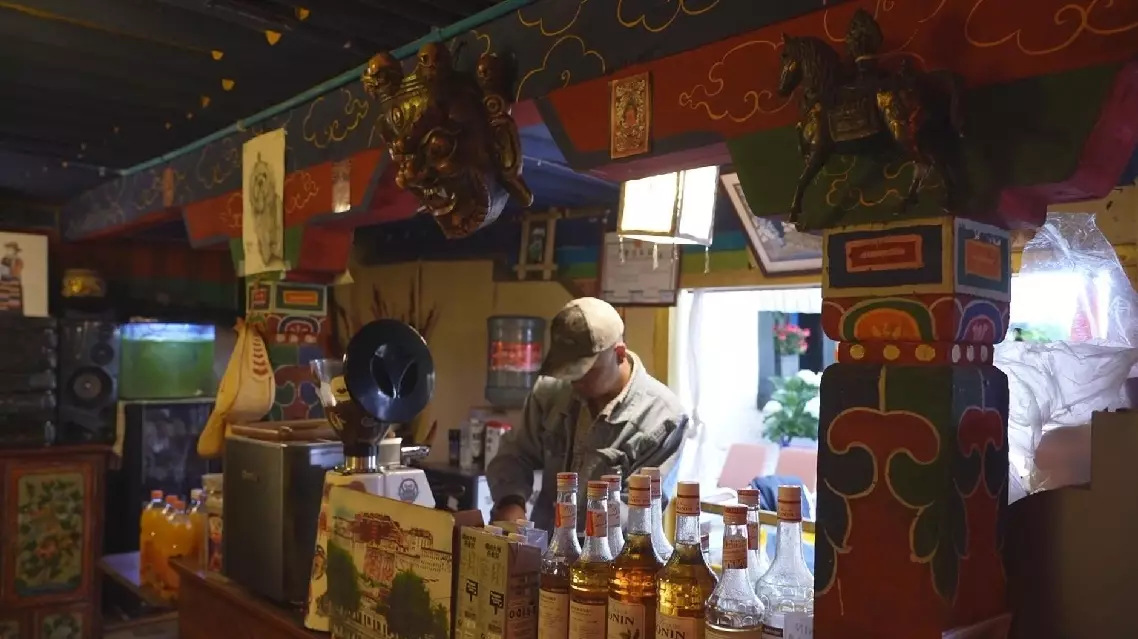
Lahsa sees booming coffee scene infused with local culture