Skip to Content Facebook Feature Image

U.S. tariffs on imported cars impact Japanese automakers and economy: economist

China

China

China

U.S. tariffs on imported cars impact Japanese automakers and economy: economist

2025-02-22 21:22 Last Updated At:02-23 00:27

⁠⁠⁠⁠⁠⁠⁠A Japanese economist has warned that U.S. President Donald Trump's intended 25 percent tariff on automobile imports would significantly harm Japanese automakers and the broader economy.

The tariffs on automobile imports is the latest in a series of aggressive trade measures Trump announced recently as part of his so-called "America First" agenda.

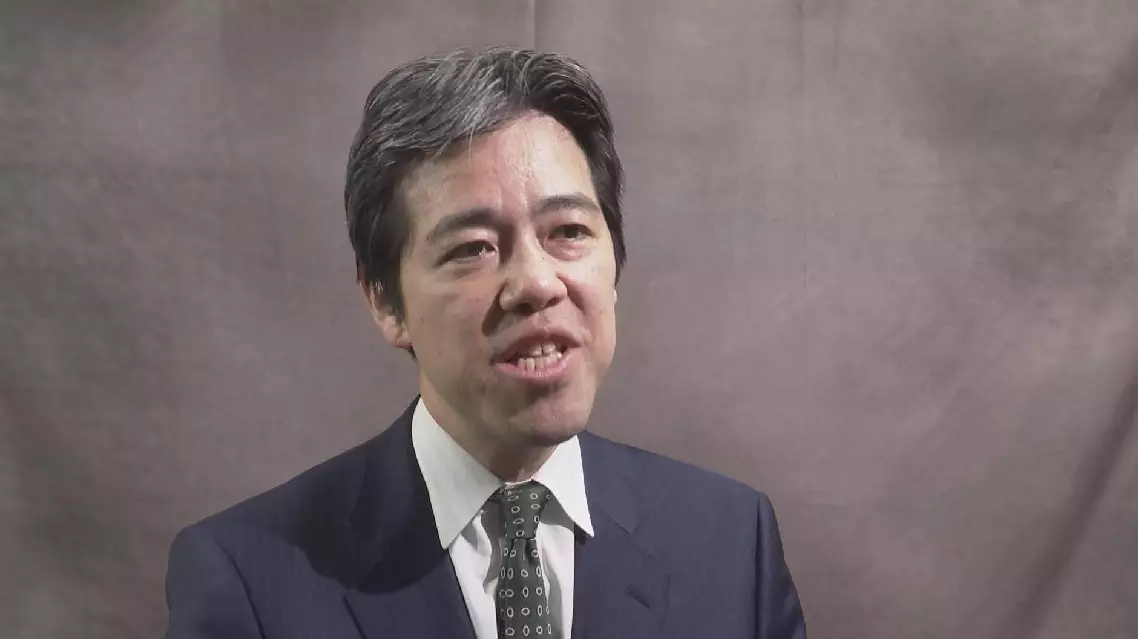
In an interview with China Central Television (CCTV), Hideo Kumano, chief economist of the Economic Research Department at Dai-ichi Life Research Institute, highlighted that automobiles account for 28 percent of Japan's total exports to the U.S. If the 25 percent tariff is implemented, the overall impact on Japan will be severe.

"The cost of exporting [Japanese] cars to the U.S. will increase by 25 percent, which could lead to a sharp rise in the prices of Japanese cars sold in the U.S. This would worsen the performance of Japanese automakers and negatively impact related industries, such as steel, machinery, glass and chemical products. The ripple effects would spread across various sectors, and the overall impact on Japan's economy would be immeasurable," said Kumano.

Kumano also pointed out that raising tariffs on imported cars would exacerbate inflationary pressures in the U.S., increasing costs for American consumers and ultimately harming the U.S. economy.

"In reality, the tariffs would lead to price hikes, ultimately increasing expenses for American consumers. The burden would fall on the American public, and concerns about domestic inflation in the U.S. would also grow," said the economist.
U.S. tariffs on imported cars impact Japanese automakers and economy: economist


U.S. tariffs on imported cars impact Japanese automakers and economy: economist

Israeli army chief Eyal Zamir said on Friday that Israel remains committed to the complete demilitarization of the Gaza Strip and the disarmament of Hamas, according to a statement issued by the Israel Defense Forces (IDF).

"We are not giving up on the war goal -- the complete demilitarization of the Gaza Strip and the disarmament of Hamas," Zamir said during a tour of the southern Gaza Strip city of Rafah.

Accompanied by senior commanders, he ordered forces to intensify clearing operations in the area with a focus on destroying tunnel networks.

The army chief noted that troops are deployed along the "Yellow Line," demarcating Israeli-controlled areas under the ceasefire, systematically clearing "terrorist" infrastructure while controlling access to the strip.

Earlier on Friday, the IDF said in a statement that its troops in the northern Gaza Strip identified two militants entering a structure east of the "Yellow Line." The Israeli Air Force subsequently struck the building, with a hit confirmed.

A day earlier, senior Hamas official Mahmoud Mardawi said Palestinian factions would not give up their weapons unless Israel fully adheres to the ceasefire agreement in the Gaza Strip.

The latest Hamas-Israel ceasefire, in effect since Oct. 10, 2025, initially focused on prisoner exchanges and humanitarian aid to Gaza. A proposed second phase of the peace plan calls for a full Israeli military withdrawal, the disarmament of Hamas, and the start of reconstruction in the enclave under a transitional governing authority.

Israeli army chief says Gaza demilitarization remains top goal

Israeli army chief says Gaza demilitarization remains top goal

Recommended Articles