China's limited national defense spending is to safeguard national sovereignty, security and development interests, Foreign Ministry spokesman Lin Jian said at a press briefing in Beijing on Tuesday.
Lin made the remarks in response to a media query about China's national defense spending.
"In recent years, global military spending has continued to rise. Statistics show that global military spending stood at 2.43 trillion U.S. dollars in 2024, a new record high in history. Behind the continuous growth of global military spending is the ever more intensified international and regional security situation, highlighting a growing deficit in security at present. All parties are facing the common challenge of global security governance. The international community, major countries in particular, should set an example and take the lead in serving as the propeller of global unity and the ballast stone of international peace," he said.
"China has unswervingly adhered to the path of peaceful development. Its limited national defense spending is completely out of the need to safeguard national sovereignty, security and development interests, and to maintain world peace. China has always pursued a strategy of self-defense and coordinated development of economy and national defense, and is not to engage in any arms race with any country. It has always safeguarded world peace in concrete action and continuously injected stability and certainty into the world," Lin said.
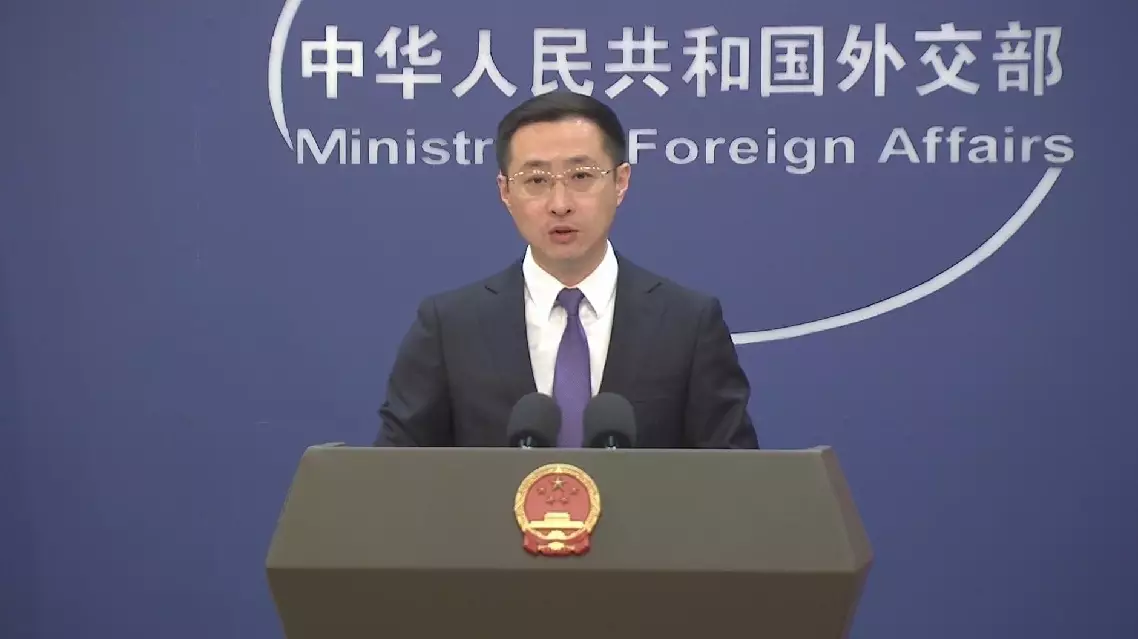
Spokesman on China's defense spending
A Pakistani scholar has stressed the importance of dialogue in resolving the conflict between the United States and Iran, as the two sides remain deadlocked over access to the Strait of Hormuz and Iran's nuclear program.
In recent months, Pakistan has emerged as a key mediator between Washington and Tehran, pushing diplomacy as a path to ending the conflict.
In a recent interview with China Global Television Network (CGTN), Rabia Akhtar, dean of the Faculty of Social Sciences at the University of Lahore, affirmed Pakistan's role as a mediator but stressed that whether an agreement is reached and implemented ultimately rests with the two countries.
"Pakistan's role is valuable because keeping a channel open gives the parties somewhere to take those agreements. A mediator can clarify a proposal, explore a sequence of reciprocal steps, and help each side understand what the other might accept. But a mediator cannot make the commitments on their behalf. Ultimately, Washington and Tehran have to decide that an agreement serves their interests and that they are prepared to implement it," she said.
Throughout the conflict, she noted, leaders have publicly deployed strong rhetoric against the other side. Akhtar called on both parties to withdraw from such practices, as they make reaching an agreement all the more difficult.
"There's also the domestic political problem. If you have told your public that anything short of the other side's surrender will be a defeat, you have made your own diplomacy much harder. Leaders need room to explain that a negotiated outcome can protect national interest. And quiet diplomacy helps because it allows options to be explored before every proposal becomes a public test of resolve," she said.
As the need for dialogue over conflict grows, Akhtar highlighted the potential role of China's Global Security Initiative (GSI), which focuses on addressing the world's growing security challenges through cooperation, dialogue, and shared responsibility, and offers a framework for managing crises.
"So for me, the GSI's emphasis on dialogue is relevant to what happens between crises as well as during them. So we need communication that survives political disagreements and commitments, that gives both sides a reason to exercise restraint. We cannot simply wait for trust to appear before we start talking. We have to use dialogue to establish whether commitments can be tested and whether restraint can be reciprocated," the scholar said.
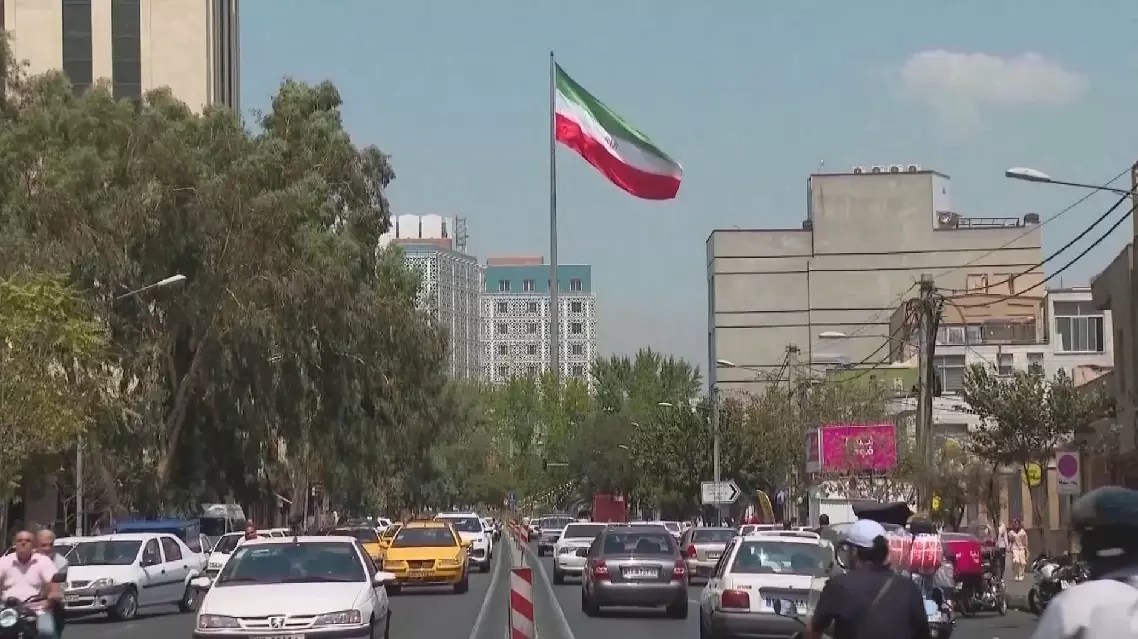
Dialogue essential to resolving US-Iran deadlock: Pakistani scholar