China and Japan, with bilateral trade surpassing 300 billion U.S. dollars for years, still see vast potential for future economic growth, said Commerce Ministry spokesman He Yadong at a press conference in Beijing on Thursday.
Commerce Minister Wang Wentao met with a record-breaking delegation of about 230 Japanese business leaders in Beijing on February 18, demonstrating Japanese economic circles' interest in and expectations for the Chinese market.
During the discussions, business representatives from Japan expressed their optimism about China's steady economic growth, acknowledging its positive impact both on Japan and on East Asia and global economic development. They reaffirmed their commitment to deepening cooperation with China, and expressed their willingness to continue contributing to the development of China-Japan relations from an economic perspective.
"China and Japan have deeply integrated their economies, with bilateral trade topping 300 billion U.S. dollars for many years and Japan's cumulative investment in China exceeding 130 billion U.S. dollars. There is enormous potential for future growth. Both sides should strengthen policy communication, maintain the stability of production and supply chains, uphold the multilateral trading system centered on the WTO, and enhance regional and multilateral cooperation," said He.
He expected the business communities of both countries to expand exchanges and visits, while deepening cooperation in green development, medical and health care, and service trade, so as to contribute to the sound and steady development of China-Japan economic and trade relations.

China-Japan trade exceeds 300 bln dollars for years
High in the Himalayas, Lhasa, the capital of southwest China's Xizang Autonomous Region, has quietly become one of the country's most caffeinated cities, signaling a fresh business wave in this ancient cultural hub.
With more than 800 coffee shops now serving a population of under one million, the city hosts roughly one cafe for every 1,200 residents, giving it one of the highest cafe densities in the country.
But this is not simply a transplant of Western coffee culture. On Barkhor Street in Lhasa's old town, a historic Buddhist pilgrimage circuit, baristas are stirring centuries-old yak cheese into espresso -- a blend that mirrors the city's transformation from a spiritual center into a modern regional hub.
"We have got this great Xizang-style vibe. There are plenty of cafes in Lhasa, but we are special. Locals -- even 80-year-olds -- come here for Americanos. Plus, lots of tourists, including foreigners, come just to check us out," the owner of Senxia Coffee, a local hotspot, said, revealing the secret behind his cafe's pull.
That dedication to innovation and presenting Xizang's culture through every cup have earned the shop a loyal following.
"I make a trip here once a year. It is my fourth year coming. The taste never changes, but they always have a new special to try -- and it is always great!" said a tourist from the eastern municipality Tianjin.
"It's very unique, I like it a lot. It's good coffee and it's a very nice place. The courtyard here is different than a courtyard in Germany would be," a German tourist offered similar praise.
In 2025, Lhasa's GDP crossed the 100-billion-yuan (about 14.7 billion US dollars) mark creating fertile ground for entrepreneurs, who found coffee as a light-asset business easy to start with -- small footprint, fast setup, easy to brand.
Amid intense competitions, businesses loyal to their hometown and home culture wins, Senxia's owner said.
"There are tons of entrepreneurs here. Local college grads are coming back to start businesses, and friends from inland are moving here to do the same. So the competition is actually fierce. With so many cafes around, we feel pretty lucky to have made it, and we have definitely got our own unique vibe," he said.
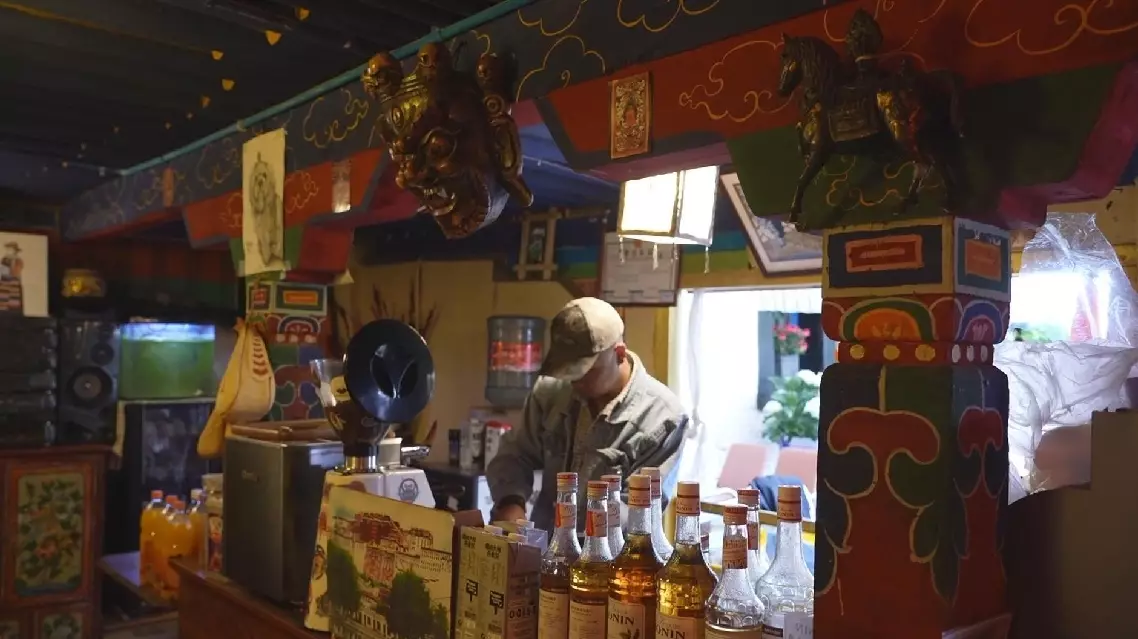
Lahsa sees booming coffee scene infused with local culture
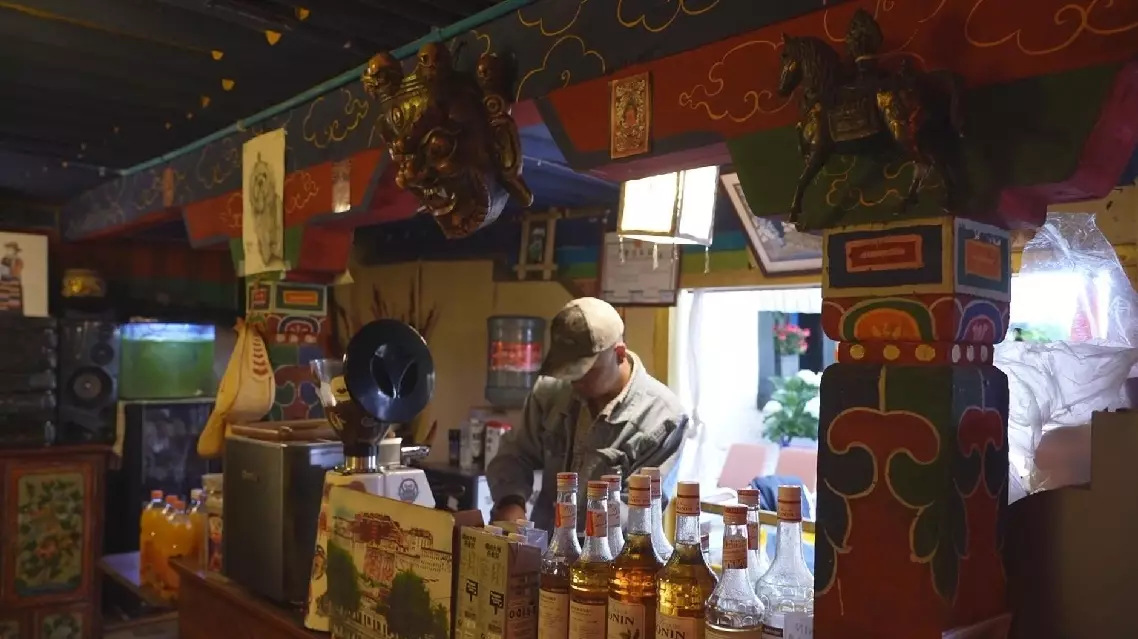
Lahsa sees booming coffee scene infused with local culture