In a rapidly changing economic landscape, many of China's private enterprises are seeking innovative ways not only to thrive but also to preserve the nation's rich cultural heritage.
One such company is CHJ Jewelry, a leading jewelry brand based in Shantou City, south China's Guangdong Province. The company has turned to ancient craft techniques to stay competitive while keeping traditional Chinese artistry alive.
Filigree inlaying is at the heart of CHJ Jewelry's approach.
"Filigree Inlaying is one of China's eight traditional core jewelry-making techniques. Working on this fine 0.2-millimeter gold thread requires 18 steps to complete. If you're not careful, it will snap," said Huang Ming, an artisan at the company's filigree workshop.
This intangible heritage has a history of nearly 3,000 years. Mastering it is by no means easy.
"It may take two to three months just to learn the basics. To master the skill and turn out presentable artwork takes three to five years," said Huang.
Fewer and fewer young people are learning the craft, posing a risk to its preservation.
CHJ Jewelry realized this threat, and founded this filigree inlaying studio to train young artisans.
"The studio employs about 50 people, with young people making up about 60 percent," said Huang.
They have integrated ancient filigree inlaying techniques into modern jewelry designs.
To better preserve this intangible heritage, the company has established a jewelry museum, opening to tourists for free.
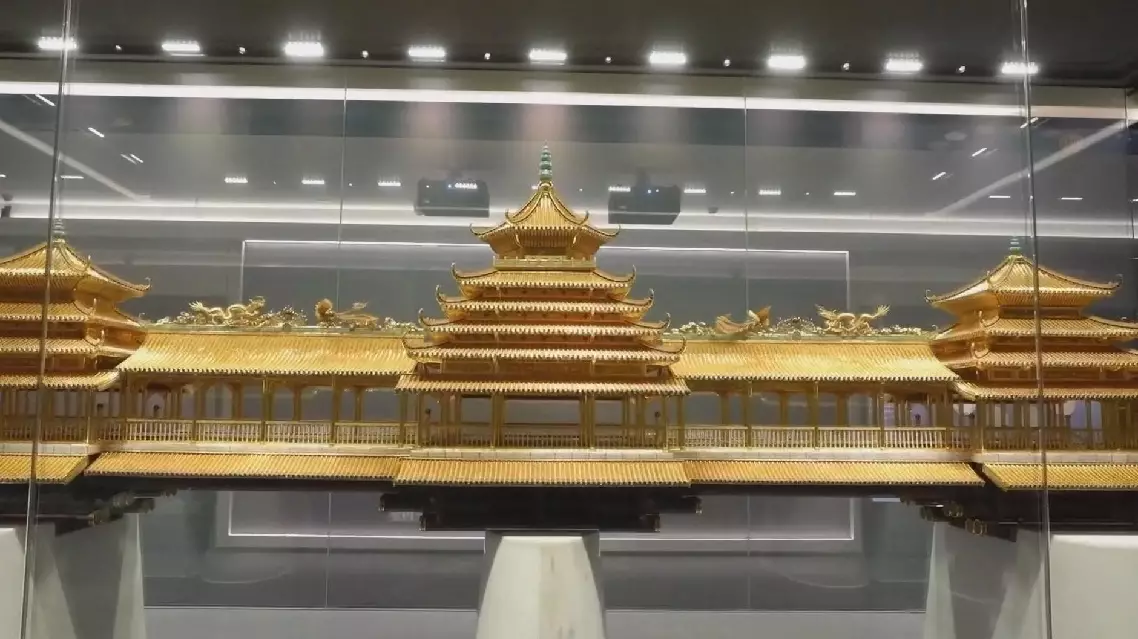
The museum showcases a stunning collection of filigree art, including the world's largest filigree artwork.
"We've spent three years on this. During the three years, about 40 to 50 artisans continuously worked on creating this masterpiece," said Cai Zhonghua, vice president of CHJ Jewelry.
In total, 350 kilograms of silver, four kilograms of gold, and more than 30,000 gemstones were used to complete the artwork, according to Cai.
To further incorporate traditional techniques into modern jewelry, the company has also invited designers from around the world to contribute innovative ideas, including Japan's famous designer Oki Sato.
With the rise of "China-chic", a cultural movement that blends modern fashion with traditional Chinese design elements, young people are showing increasing interest in jewelry that reflects their cultural pride. Last year, more than half of the gold buyers on the e-commerce platform Tmall were young people.
"Young people are very open to China-chic, and we constantly innovate products to reflect that. Private enterprises like ours are more flexible, energetic, daring to take on challenges," said Cai.
He expressed the hope that the innovative products will pass on China's intangible heritage and craftsmanship spirit.
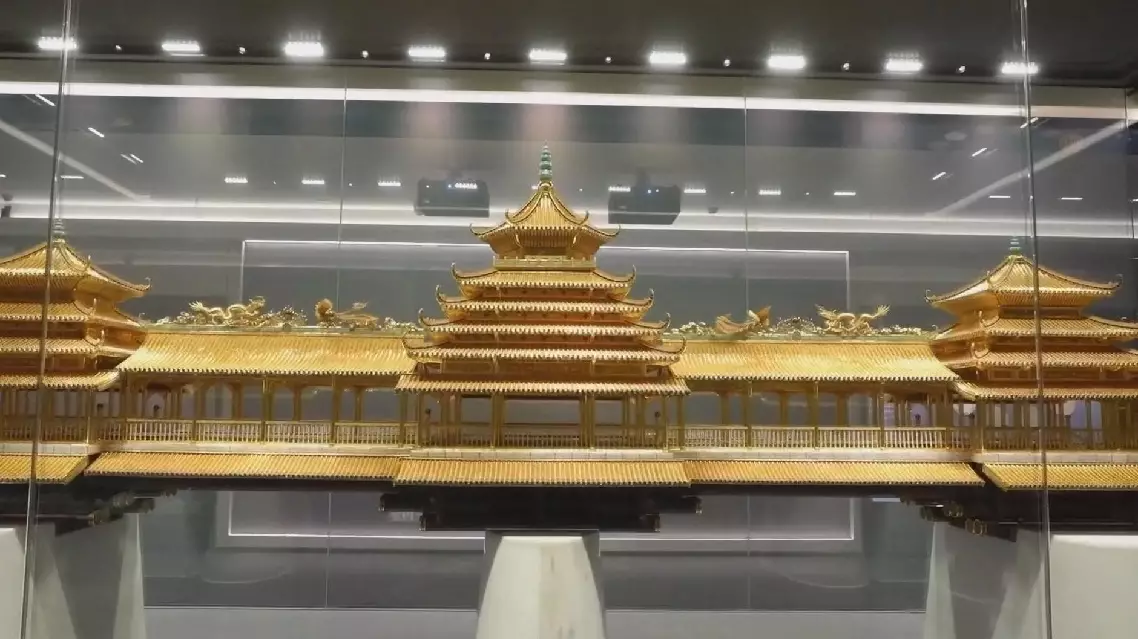
Chinese jewelry company blends innovation with tradition to stay competitive
Chinese jewelry company blends innovation with tradition to stay competitive