Chinese President Xi Jinping on Thursday stressed strengthening the role of education in supporting scientific and technological advancement as well as talent development.
Xi, also general secretary of the Communist Party of China (CPC) Central Committee and chairman of the Central Military Commission, called for a deep understanding of the needs of Chinese modernization for education, science and technology, and talent.
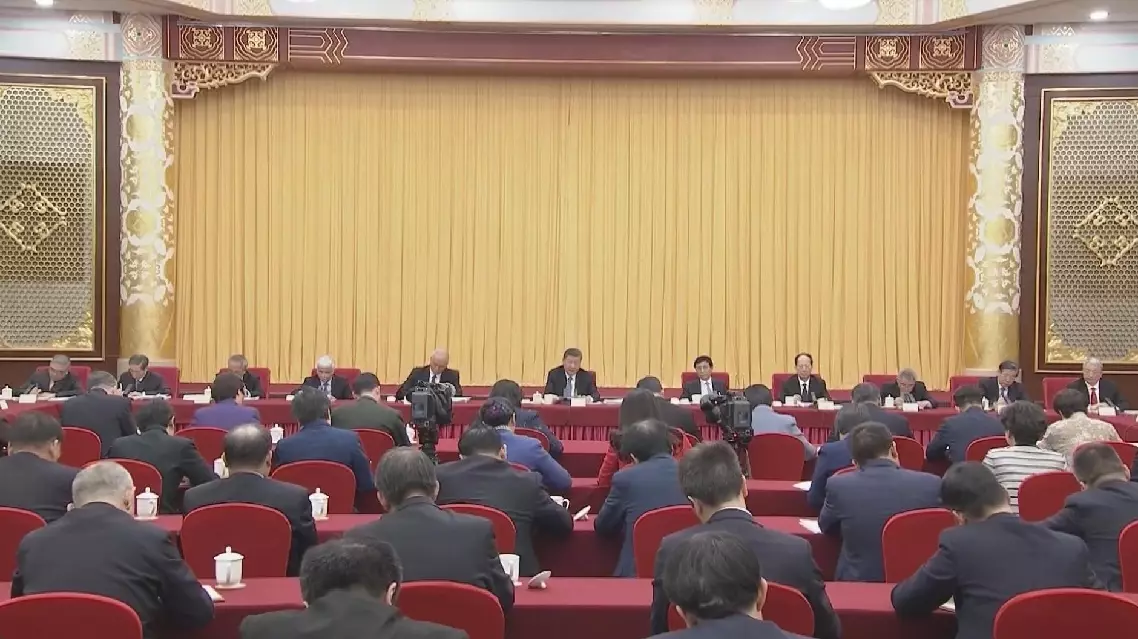
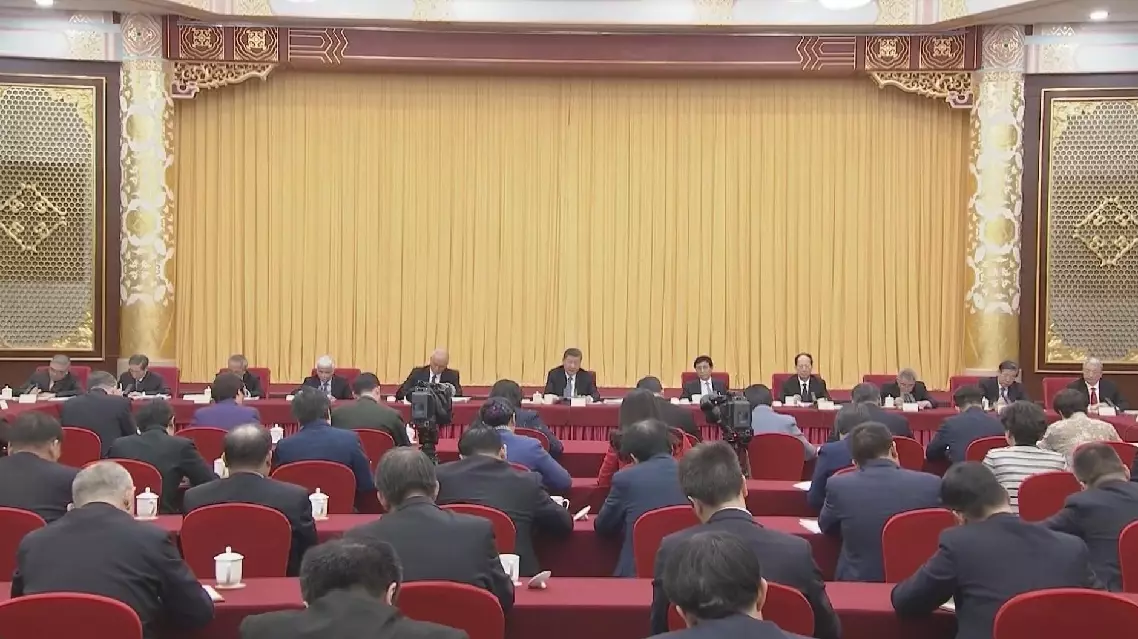
The goal is to cultivate a steady stream of talent, unlock their full potential, and ensure their abilities are fully utilized, Xi said while attending a joint group meeting during the third session of the 14th National Committee of the Chinese People's Political Consultative Conference (CPPCC), the top political advisory body.
The meeting was attended by national political advisors from the China Democratic League, the China Association for Promoting Democracy, and the education sector.
Xi at first extended festive greetings and best wishes to the country's women of all ethnic groups and from all walks of life ahead of the International Women's Day, which falls on March 8. At the joint group meeting, Xi listened to comments and suggestions such as pushing for coordinated development of vocational education and regional industries, optimizing the allocation of basic educational resources, building a national educational intelligence network, and promoting traditional Chinese culture based on school curriculum.
Xi recognized the achievements of the CPPCC in the past year in its political consultation and policy-making suggestions.
Xi stressed that to strengthen China's education, science and technology, and workforce, it is essential to follow the guidelines for running schools and nurture a new generation of capable young people with sound moral grounding, intellectual ability, physical vigor, aesthetic sensibility, and professional skills.
To build a high-quality education system, it is essential to deepen comprehensive education reform by establishing a scientific educational evaluation system, improving the school management system, and meeting the needs of modernization, Xi said.
Xi said to achieve a positive interaction between independent innovation in science and technology and the independent training of talent, education should further play a leading and basic supporting role.
Efforts should be made to improve the application of scientific and technological achievements, Xi said.
It is necessary to improve the adaptation mechanism between talent training and economic and social development, he said.
Xi also called for efforts to implement the national educational digitization strategy.
Noting that building a country strong in education, science and technology, and talent resources is the shared responsibility of the entire Party and society, Xi said the CPPCC should give full play to its role as a special consultative body to broadly rally the people's support, consensus, wisdom, and strength, and promote high-quality development of education, science and technology, and human resources.
Xi stresses role of education in supporting sci-tech, talent development
Xi stresses role of education in supporting sci-tech, talent development