China's small and medium-sized enterprises (SMEs) are expanding their reach by tapping into Africa -- one of the world's fastest-growing markets -- through cross-border e-commerce.
A large driving force behind this trend are the entrepreneurial efforts arising in east China's Yiwu. Dubbed the "world's supermarket," the city is famously home to the Yiwu International Trade Market, the largest wholesale market for small commodities on the planet.
In recent years, businesses in the city have been able to connect its enormous supply of goods with Africa, not only through tried-and-true Chinese online platforms, but through emerging African ventures.
"Yiwu has introduced many e-commerce platforms, such as AliExpress. Notably, Nigeria's Jumia and Kenya's Kilimall cater specifically to the African market. In this regard, these platforms facilitate the movement of products from Yiwu, streamlining the process and reducing communication barriers. This allows African merchants and buyers to purchase from platforms like Jumia and Kilimall with just one click, making the experience highly convenient," said Zhang Lijuan, the executive secretary general of the Yiwu Cross-Border E-Commerce Association.
According to Tom Hurier, head of Jumia Global, the platform has succeeded by tapping into the global demand for Chinese goods.
"Over a few years we have built like around four main types of partnerships, the first one is with Chinese vendors, so today we have thousands of Chinese vendors and Jumia is the main actor in cross-border e-commerce between China and Africa," he said.
Chinese SMEs are leveraging Jumia's platform to connect with millions of potential customers, forging successful business relationships in the process.
One notable success story is that of Hu Xuanzhang, a Chinese retailer specializing in clothing, who found success in Africa by harnessing consumer data provided by Jumia, helping him tailor his product offerings to align with local preferences.
"The Jumia system is generally efficient, especially in terms of reconciliation and sales data, which can be directly extracted for analysis. The platform's customer service is also commendable—any issues are promptly addressed with detailed responses to ensure satisfaction," said Hu.
Affordable shipping and local warehouse solutions provided by these platforms have reduced operating costs for Chinese SMEs, enabling them to better serve a growing African middle class eager for more diverse and cost-effective products. In turn, Jumia's partnership with Chinese SMEs enhances its product range, enriching diversity and boosting customer satisfaction and loyalty.
As technology continues to evolve, China's cross-border e-commerce is expected to maintain its upward trajectory, creating new opportunities for global trade partnerships and economic growth, particularly in the dynamic African market.
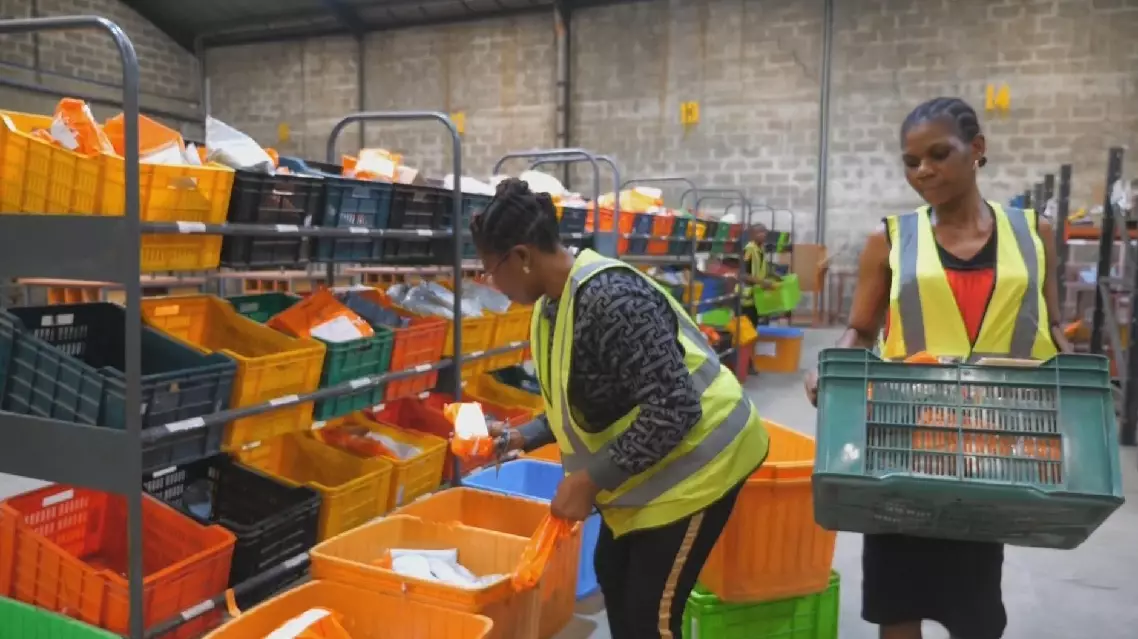
Chinese businesses join hands with African platforms to transform continent's e-commerce