Skip to Content Facebook Feature Image

CPPCC member on Medog County's transformation from isolation into promising land

China

China

China

CPPCC member on Medog County's transformation from isolation into promising land

2025-03-10 15:23 Last Updated At:16:27

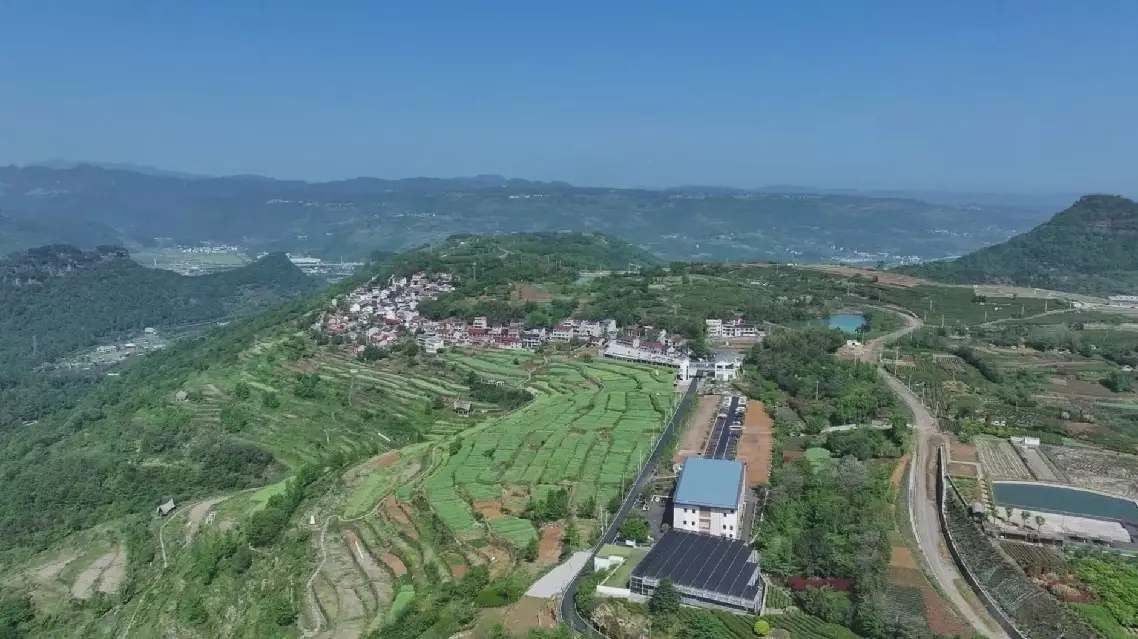
Medog, or Motuo, a county located on the southern slope of the Himalayas in southwest China's Xizang Autonomous Region, has shaken off its past as an isolated mountainous area and transformed into a promising land of opportunities.

Speaking on the sidelines of the annual session of China's top political advisory body in Beijing on Monday, Drolma Yudron, a judge with the people's court of Medog, briefed the media about the accomplishments the country has made in social and economic development over the years.

Medog, which had been long associated with poverty and backwardness, was the last county-level area in China to gain access to highways. In late 2013, a 117-kilometer expressway linking the county, which has a population of roughly 15,000, with the neighboring Bome County opened to traffic, ending Medog's isolation from the outside world.

"Since the 18th National Congress of the Communist Party of China (CPC) [in 2012], the wellbeing of the people in the country's border areas have always remained on the mind of the Party Central Committee. Since the adoption of a series of policies and measures on developing the border areas and improving people's lives there, Medog has been linked to highways, making our people's long-cherished dream come true. This highway in Medog has led to a happy new life for all the people in the border area by breaking its geographic isolation. It has breathed new life into our county on the border. Medog is now crisscrossed by clean, broad paved roads, which has made it so much easier for our folks to travel by car. Every household now has access to clean water, stable supply of electricity, high-speed internet, medical care, and education," she said. Medog now has a thriving tourism industry, with the number of tourist trips to the county reaching 600,000 last years, which was more than 40 times the county's population. Multiple cash crops like dendrobium noble and reishi mushrooms, herbs used in traditional Chinese medicine, have provided another means of income for the local population.

"With more and more agricultural products being moved out of the mountains of Medog to other parts of the country, our folks have had more opportunities to increase our income. Medog has transformed from an isolated area on the plateau to a beautiful border county. Last year, Medog's per capita disposable income reached 24,935 yuan (about 3,446.8 in U.S. dollars), once again surpassing the national average. Everything Medog has now is what many generations of our people have dreamed of, and this is only a starting point for our county's rapid development," Drolma Yudron told reporters.

China's top political advisory concluded its week-long annual session on Monday this year.

CPPCC member on Medog County's transformation from isolation into promising land

CPPCC member on Medog County's transformation from isolation into promising land

CPPCC member on Medog County's transformation from isolation into promising land

CPPCC member on Medog County's transformation from isolation into promising land
Systematic and proactive deployments tailored to China's evolving agricultural situation are made in the outline of the 15th Five-Year Plan (2026-2030) to accelerate China's agricultural and rural modernization and solidly promote rural revitalization, said an expert on Friday.

Chinese lawmakers on Thursday approved the outline of the 15th Five-Year Plan for national economic and social development at the closing meeting of the fourth session of the 14th National People's Congress.

Tu Shengwei, a researcher at the Academy of Macroeconomic Research under the National Development and Reform Commission said that in the next five to 10 years, China's agricultural and rural development will enter a phase of profound adjustment. Significant changes will occur in rural spatial forms, supply and demand relationships for agricultural products, population structure, and technological conditions.

"The contents related to agriculture, rural areas, and rural residents in the 15th Five-Year Plan are systematic, comprehensive, and highly instructive. If I had to summarize it in just a few words, I would say, 'proactive response, systematic deployment, and steady progress'," said Tu.

In terms of agricultural modernization, the outline systematically deploys tasks and measures for adopting an all-encompassing approach to agriculture and food. It emphasizes not only strengthening the supply guarantees for essential agricultural products, but also promoting the deep integration of primary, secondary, and tertiary industries in rural areas to build a modern agricultural industrial system, production system, and management system.

Furthermore, it calls for the all-round development of food resources to create a diverse food supply system that meets the diverse consumption and nutritional needs of the people, said the expert.

To build a beautiful and harmonious countryside for people to live and work in, the outline systematically deploys measures from multiple aspects including space, industry, governance, and allocation of public resources, and puts forward new requirements, Tu said.

"Past discussions on rural construction mainly focused on infrastructure development, public services, and improving living environments. This time, the outline highlights the importance of expanding county industries that benefit local people and enhancing rural governance. In addition to a healthy environment and convenient living conditions, rural areas also require robust industries. Only by fostering industries can they create employment opportunities, attract residents, and revitalize the countryside. To truly enrich the essence of a beautiful and harmonious countryside for people to live and work in, it is essential to focus on industrial development, strengthen rural governance, and refine urban and rural planning," said Tu.

Proactive measures to promote agriculture, rural areas, rural residents in 2026-2030: expert

Proactive measures to promote agriculture, rural areas, rural residents in 2026-2030: expert

Recommended Articles