Systematic and proactive deployments tailored to China's evolving agricultural situation are made in the outline of the 15th Five-Year Plan (2026-2030) to accelerate China's agricultural and rural modernization and solidly promote rural revitalization, said an expert on Friday.
Chinese lawmakers on Thursday approved the outline of the 15th Five-Year Plan for national economic and social development at the closing meeting of the fourth session of the 14th National People's Congress.
Tu Shengwei, a researcher at the Academy of Macroeconomic Research under the National Development and Reform Commission said that in the next five to 10 years, China's agricultural and rural development will enter a phase of profound adjustment. Significant changes will occur in rural spatial forms, supply and demand relationships for agricultural products, population structure, and technological conditions.
"The contents related to agriculture, rural areas, and rural residents in the 15th Five-Year Plan are systematic, comprehensive, and highly instructive. If I had to summarize it in just a few words, I would say, 'proactive response, systematic deployment, and steady progress'," said Tu.
In terms of agricultural modernization, the outline systematically deploys tasks and measures for adopting an all-encompassing approach to agriculture and food. It emphasizes not only strengthening the supply guarantees for essential agricultural products, but also promoting the deep integration of primary, secondary, and tertiary industries in rural areas to build a modern agricultural industrial system, production system, and management system.
Furthermore, it calls for the all-round development of food resources to create a diverse food supply system that meets the diverse consumption and nutritional needs of the people, said the expert.
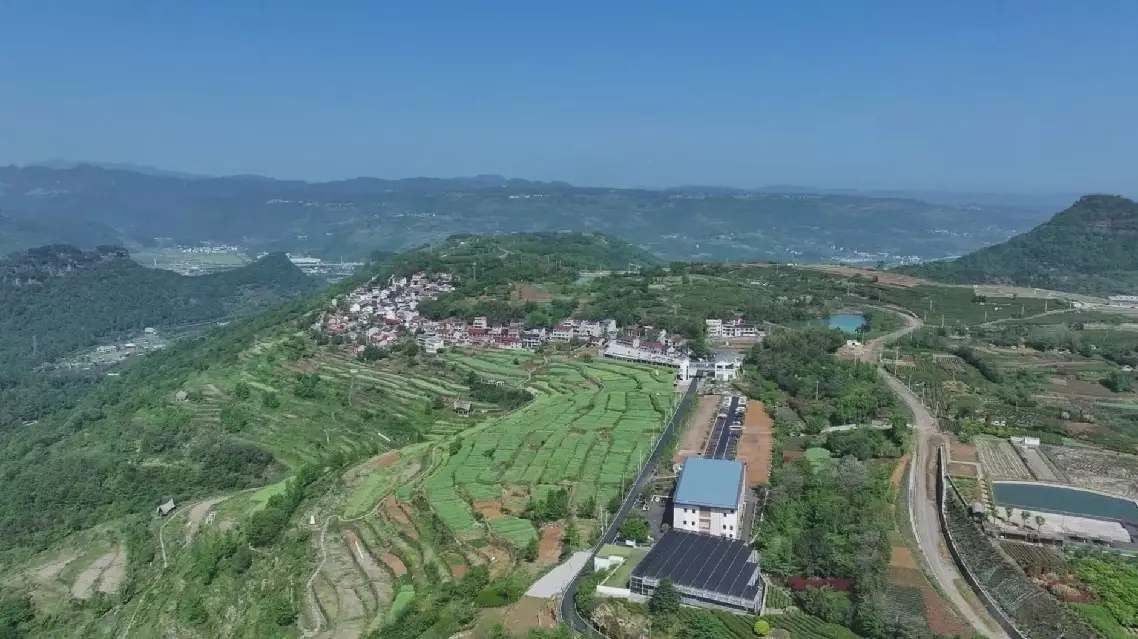
To build a beautiful and harmonious countryside for people to live and work in, the outline systematically deploys measures from multiple aspects including space, industry, governance, and allocation of public resources, and puts forward new requirements, Tu said.
"Past discussions on rural construction mainly focused on infrastructure development, public services, and improving living environments. This time, the outline highlights the importance of expanding county industries that benefit local people and enhancing rural governance. In addition to a healthy environment and convenient living conditions, rural areas also require robust industries. Only by fostering industries can they create employment opportunities, attract residents, and revitalize the countryside. To truly enrich the essence of a beautiful and harmonious countryside for people to live and work in, it is essential to focus on industrial development, strengthen rural governance, and refine urban and rural planning," said Tu.
Proactive measures to promote agriculture, rural areas, rural residents in 2026-2030: expert