China and the United States held five rounds of high-level economic and trade talks last year, paving the way for smoother and more stable relations, as the two sides will engage in consultations on economic and trade issues of mutual concern for the sixth round.
The first round of high-level economic and trade talks was held in Geneva in May last year. This followed the U.S. announcement of additional and reciprocal tariffs on Chinese goods, met with matching tariffs from China. The Geneva meeting resulted in the removal or suspension of those tariffs and established a consensus on creating a "China-U.S. economic and trade consultation mechanism."
A month later, the two sides held the second round of talks in London. They agreed on the implementation of the consensus reached during a leaders' phone call days earlier and settled on a tariff framework.
The third round of talks took place in Stockholm at the end of July. Negotiators confirmed another 90-day suspension of the 24 percent reciprocal tariffs and made progress across multiple areas, including macroeconomic policies, manufacturing capacity, energy trade, and China's rare earth exports.
The fourth round of talks, held in Madrid in mid-September, achieved a breakthrough on TikTok issues. A framework agreement was reached concerning data consignment operations and algorithm authorization.
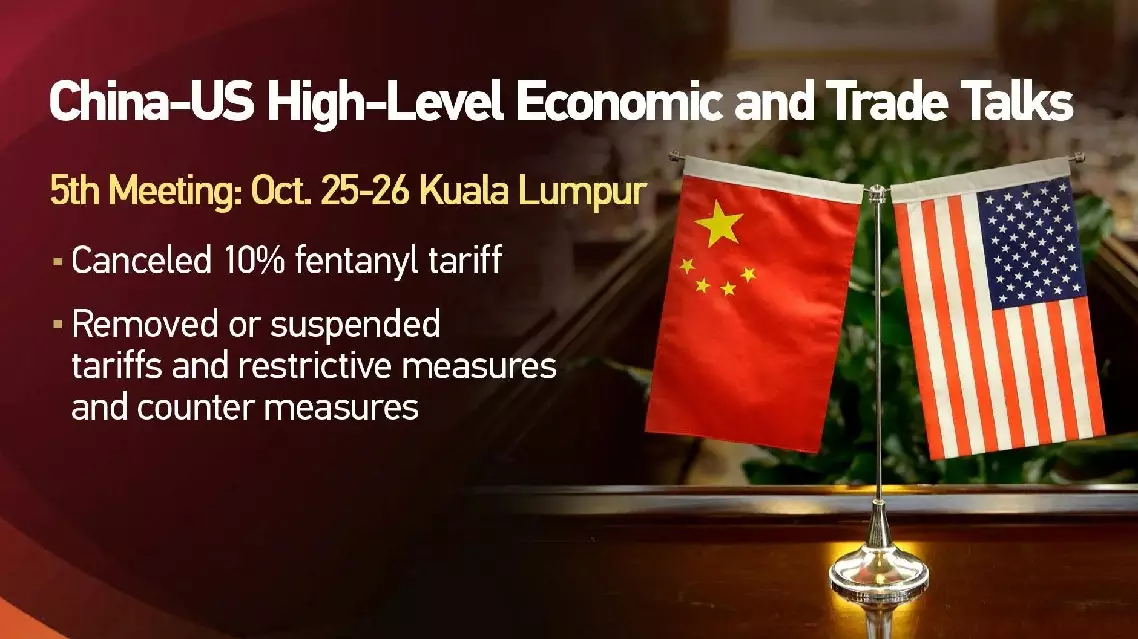
The fifth round of consultations in Kuala Lumpur at the end of October agreed to cancel the 10 percent fentanyl tariff. A basic consensus was reached on several issues, including the U.S. Section 301 measures targeting China's maritime logistics and shipbuilding industries, as well as extending the tariff suspension period. The meeting also led to the removal of some other export controls, with China lifting its countermeasures in response.
The achievements of these five rounds of talks have essentially steered the China-U.S. relationship from one of high tension toward dynamic stability.
Chinese Vice Premier He Lifeng will lead a delegation to France to hold economic and trade talks with the United States from March 14 to 17, China's Ministry of Commerce announced on Friday.
The two sides will follow the important consensus reached at the Busan meeting and during previous phone conversations between the two heads of state, focusing on consultations regarding economic and trade issues of mutual interest.
China's Ministry of Commerce has criticized U.S.-initiated Section 301 investigation against 16 economies, including China, on the grounds of "excess capacity" as typical unilateralist acts that seriously undermine the international economic and trade order.
The Ministry also says the world economy has long become an inseparable whole, and both production and consumption are global. The U.S. side cannot narrowly define the production capacity that exceeds domestic demand as "overcapacity" and label it as "excess capacity".
China has urged the United States to correct its wrongdoings and return to the right track of resolving issues through dialogue and consultation.
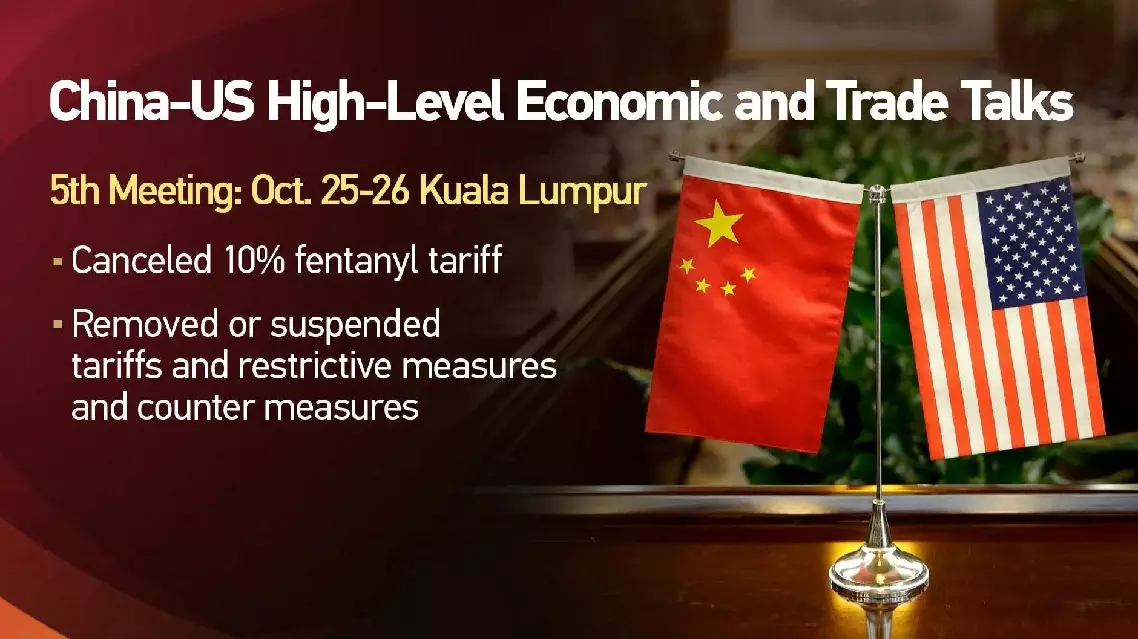
Key outcomes from five rounds of China-US trade talks in 2025
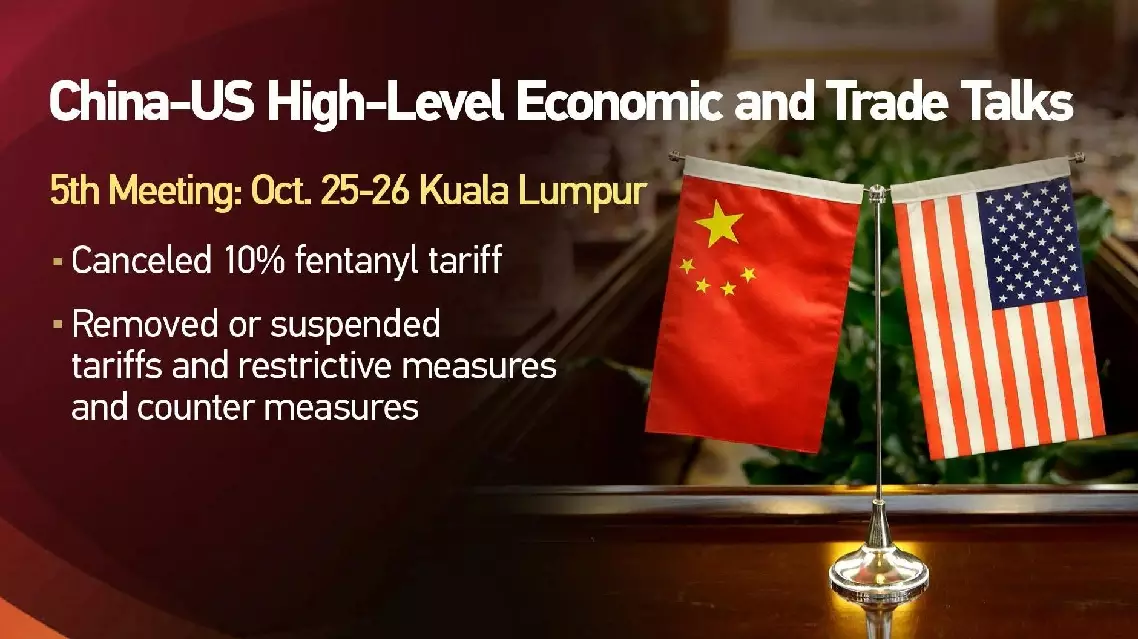
Key outcomes from five rounds of China-US trade talks in 2025
Key outcomes from five rounds of China-US trade talks in 2025