China's central bank issued 450 billion yuan (over 62 billion U.S. dollars) of one-year medium-term lending facility (MLF) loans on Tuesday, with adjusted rules.
Starting this month, the MLF will undertake operations that utilize fixed-quantity, interest-rate bidding and a multiple-price bidding method, the People's Bank of China (PBOC) said in a statement.
The MLF was introduced in 2014 to help commercial and policy banks maintain liquidity by allowing them to borrow from the central bank using securities as collateral.
"Since the start of this year, the central bank has continued to use various tools to facilitate liquidity. From January to February, a total net injection of over 1.3 trillion yuan (180 billion U.S. dollars) was conducted through outright reverse repos and MLF, so as to ensure ample liquidity," said Dong Ximiao, chief researcher at Merchants Union Consumer Finance.
The adjusted rules can also help enhance banks' support for the real economy, said Dong.
"MLF shifted to operations that utilize a multiple-price bidding method with no uniform winning bid rate. This indicated that the MLF interest rate no longer has its policy attribute. At the same time, this can also better reflect the differentiated funding needs of banks, ease the burden on their net interest margin, and increase the sustainability of financial support for the real economy," said Dong.
On Feb. 25, the central bank conducted a 300-billion-yuan MLF, featuring a one-year maturity period and an interest rate of 2 percent. Following the operation, the outstanding MLF balance stood at 4.09 trillion yuan.
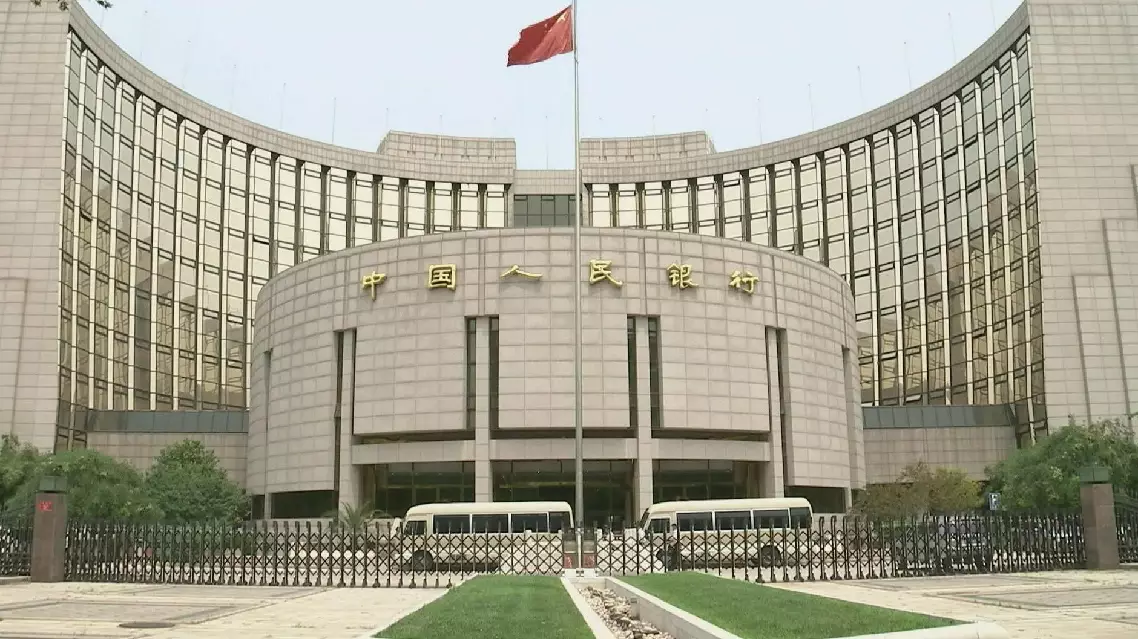
China's central bank conducts MLF operations with adjusted rules