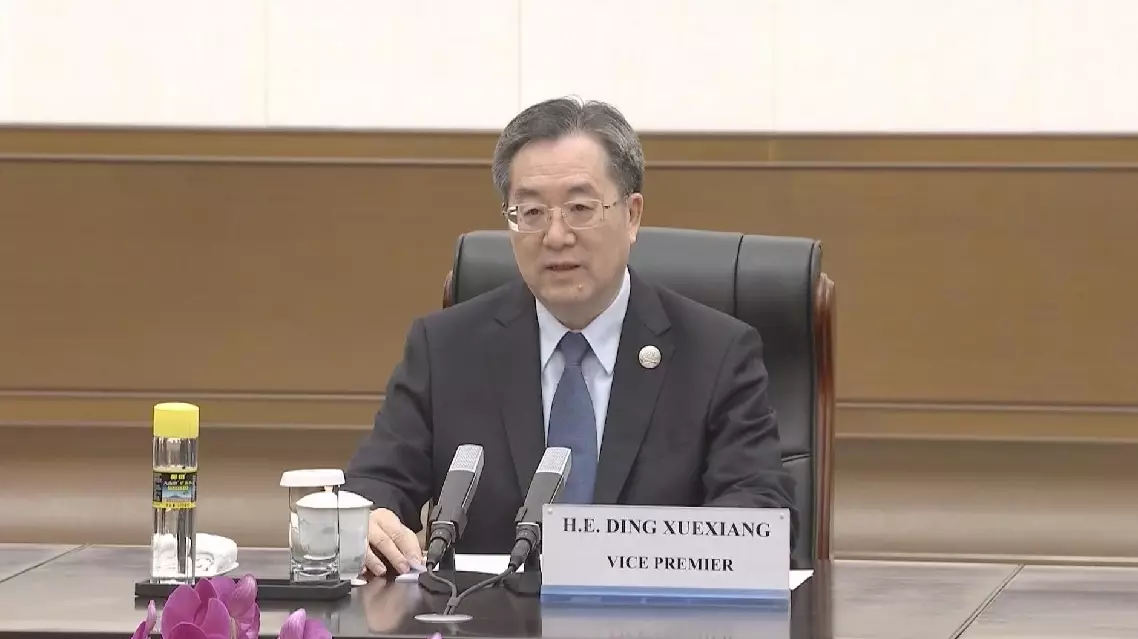
Chinese Vice Premier Ding Xuexiang on Wednesday separately met with Micronesian Vice President Aren B. Palik and Mongolian First Deputy Prime Minister and Minister of Economy and Development Luvsannyam Gantumur.
Both Palik and Gantumur were in China to attend the Boao Forum for Asia (BFA) 2025 Annual Conference, which opened in Boao Town of south China's Hainan Province on Tuesday.
At the meeting with Palik, Ding, also a member of the Standing Committee of the Political Bureau of the Communist Party of China Central Committee, said that the important consensus reached between Chinese President Xi Jinping and Micronesian President Wesley W. Simina during their talks held last year charts the course for the development of China-Micronesia relations.
The two sides should enhance political mutual trust, firmly support each other's core interests and major concerns, and actively explore cooperation in trade, investment, infrastructure and the maritime economy, said Ding.
The Chinese vice premier also said China and Micronesia should work together to cope with climate change and make new progress in China-Micronesia comprehensive strategic partnership.
Palik said that Micronesia is firmly committed to the one-China principle, and firmly support China's positions on issues concerning its core interests, such as those related to Taiwan, Hong Kong, Xinjiang, and the South China Sea.
The Micronesian side will deepen cooperation with China in jointly coping with climate change, Palik said.
When meeting with Gantumur, Ding said that developing long-term good-neighborly relations with Mongolia serves the fundamental interests of the two peoples.
Ding said China is ready to work with Mongolia to implement the important consensus reached between the heads of state of the two countries, consolidate political mutual trust and further expand cooperation, so as to bring China-Mongolia relations to new heights.
Gantumur said that Mongolia firmly abides by the one-China principle, and is willing to promote cooperation with China in various fields including connectivity, energy, minerals, and high and new technology in the interest of the two peoples.
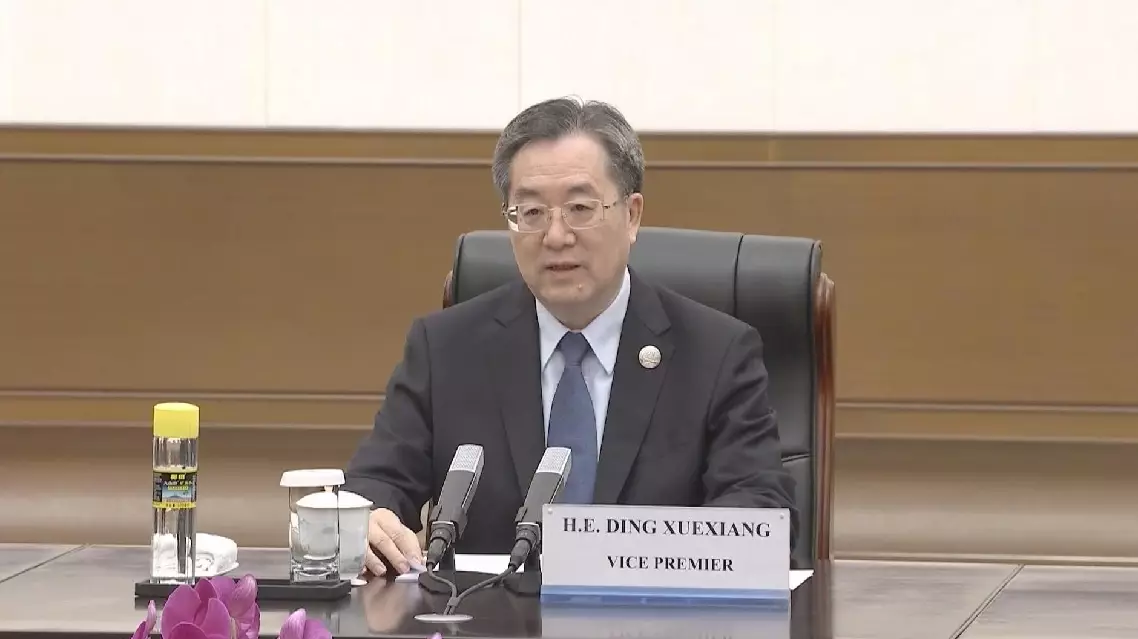
Chinese vice premier meets senior officials from Micronesia, Mongolia
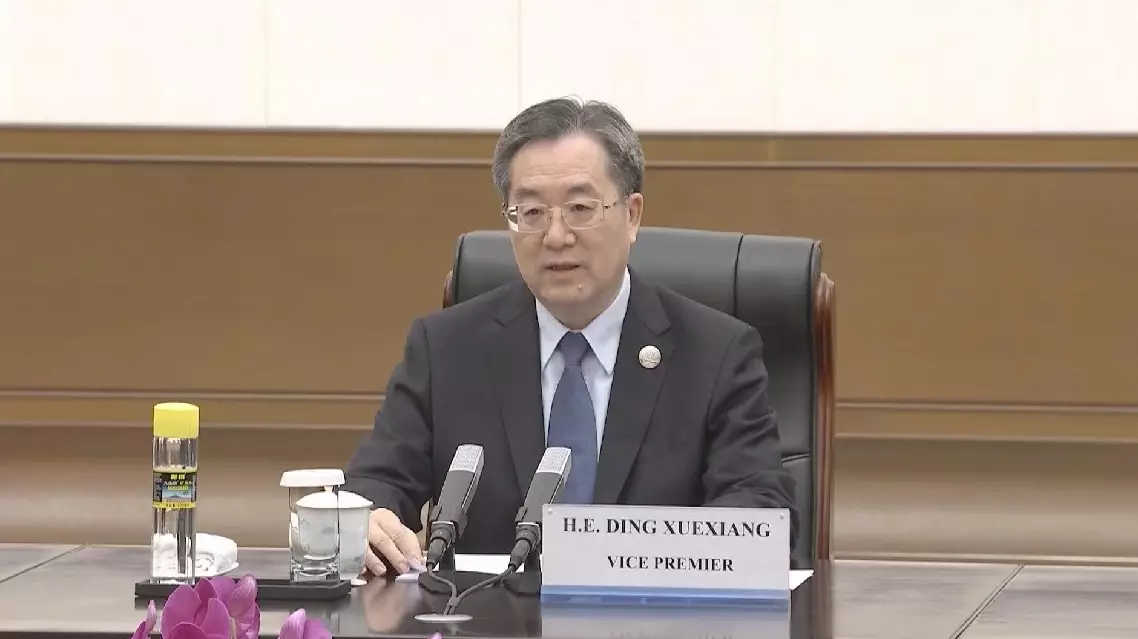
Chinese vice premier meets senior officials from Micronesia, Mongolia
Chinese vice premier meets senior officials from Micronesia, Mongolia