China has swiftly sent one of its most-skilled and best-equipped rescue teams to Myanmar after a powerful 7.9-magnitude earthquake struck the country on Friday.
In the wake of Myanmar's devastating earthquake, the China International Search and Rescue Team (CISAR), a U.N.-certificated professional unit, arrived in the Southeast Asian country late Sunday and immediately headed to multiple quake-hit areas to assist in the search and rescue of possible survivors.
The 118-member team, comprising earthquake experts, structural engineers, search and rescue workers, medical personnel, and canine units, touched down at around 23:20 local time at a military airport in Nay Pyi Taw, the capital of Myanmar, aboard two Y-20 heavy transport aircraft. They are taking with them trained sniffer dogs, life detectors, demolition equipment, and field hospital systems capable of supporting intensive 72-hour rescue operations in two separate regions simultaneously.
The team sent an advance group for rescue mission at two sites in the capital Nay Pyi Taw to help locate the missing before heading to the earthquake-stricken Mandalay in the early hours of Monday for more extensive operations.
Established in 2001, the CISAR is a United Nations-certified heavy-duty rescue team that has participated in over 20 international missions including those in the wake of the 2004 Indonesian tsunami and earthquakes in Pakistan and Nepal.
According to Myanmar's State Administration Council on Sunday, about 1,700 people died, 3,400 were injured, and 300 remained missing in the earthquake that hit the country on Friday.
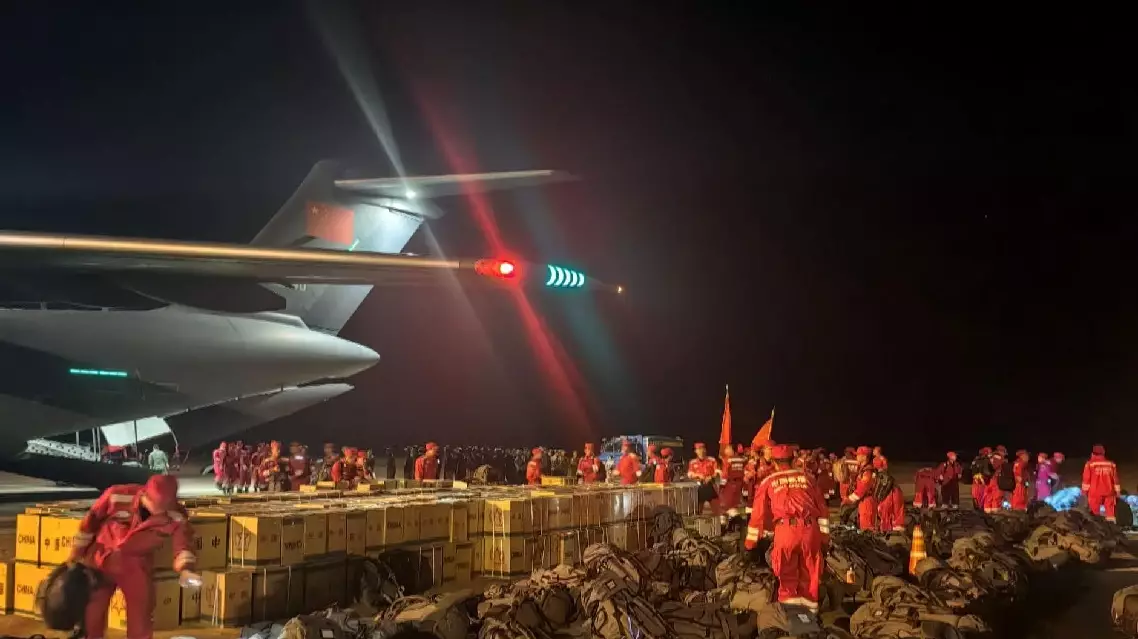
China's int'l rescue team heads to Mandalay after rescue mission in Myanmar's capital
Washington's assertive moves, from attacks on Venezuela to threats against Iran and Greenland, reflect the final outburst of a declining unipolar order and may encourage countries in the Global South to band together as uncertainty grows, said American University history professor Anton Fedyashin.
U.S. President Donald Trump's policy agenda has drawn widespread criticism from governments around the world, as Latin American governments condemn the kidnapping of Venezuelan President Nicolas Maduro, and the European Union sharply rejects Trump's claims on Greenland, a territory of Denmark.
In a recent interview with China Global Television Network (CGTN), Fedyashin said that the U.S. president's brazen actions signal an impending end to America's excessive global influence.
"I think we are entering a period of global fragmentation, and that we are certainly entering a period when American hegemony is in relative decline. And I think that Donald Trump, by the way, is a manifestation. It's the 'extinction burst' of American hegemony, of the unipolar moment," he said.
Fedyashin predicted that stronger cooperation among Global South nations will become increasingly urgent as countries seek new pathways to accelerate development amid the renewed uncertainties from the U.S.
"What I think is more likely to start happening is that countries around the world will start banding together, in order to protect themselves against the United States, and against the West and whatever other outside actors there are. The world, the members of the Global South will start looking for alternatives to Western-dominated organizations, both economically and from the point of view of security. So I think that if the United States continues to be so unpredictable and aggressive, that the Global South, at least, will start coming together," said the historian.
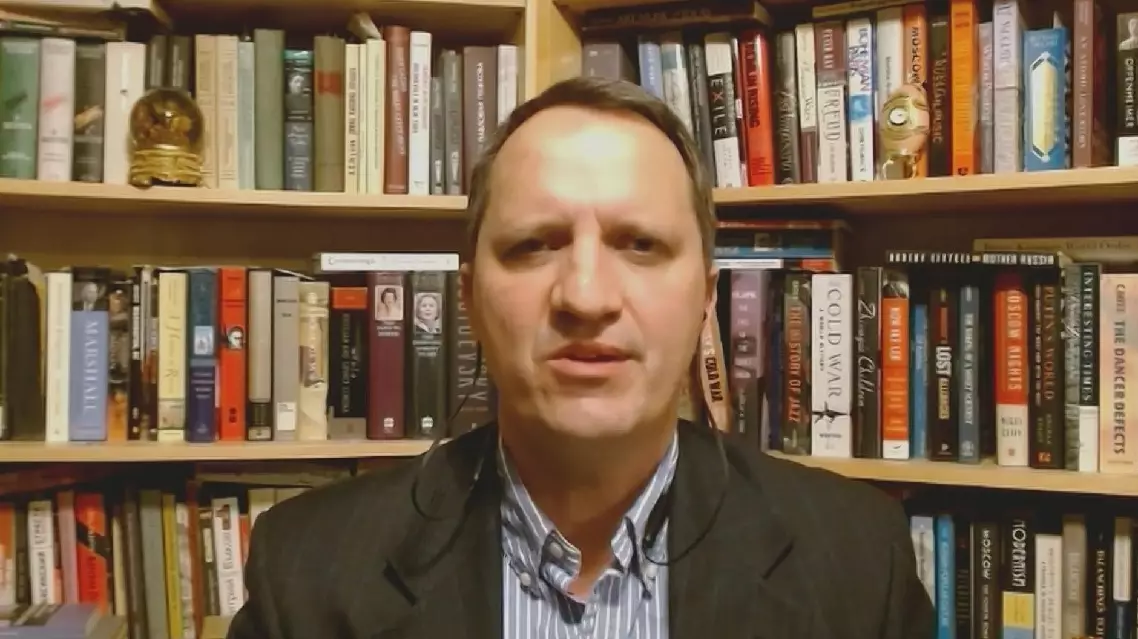
US aggression signals hegemony faces "extinction burst": historian