EL SEGUNDO, Calif.--(BUSINESS WIRE)--Apr 2, 2025--
Slingshot Aerospace, Inc., the leader in AI-powered solutions for satellite tracking, space traffic coordination, and space modeling and simulation, today announced it has been selected by AFWERX to support its Rapid Analysis of Photometric Tracks for space Object identification and behavior Recognition program. Under RAPTOR, Slingshot will use machine learning to track, analyze and report on behaviors of objects in low Earth orbit.
This press release features multimedia. View the full release here: https://www.businesswire.com/news/home/20250402279233/en/
Initially RAPTOR will be used to track and maintain custody of space objects of interest to U.S. Space Command, enabling timely reporting on events that could indicate an imminent satellite maneuver or mission change.
"Protecting our national interests demands the utmost focus on maintaining dominance and situational awareness in the space domain,” said Tim Solms, CEO of Slingshot Aerospace. “The Department of Defense must achieve comprehensive visibility and intelligence on covert and adversarial activities in space. RAPTOR delivers unparalleled awareness to safeguard critical assets, strengthen mission readiness, and uphold the security of our nation and its allies."
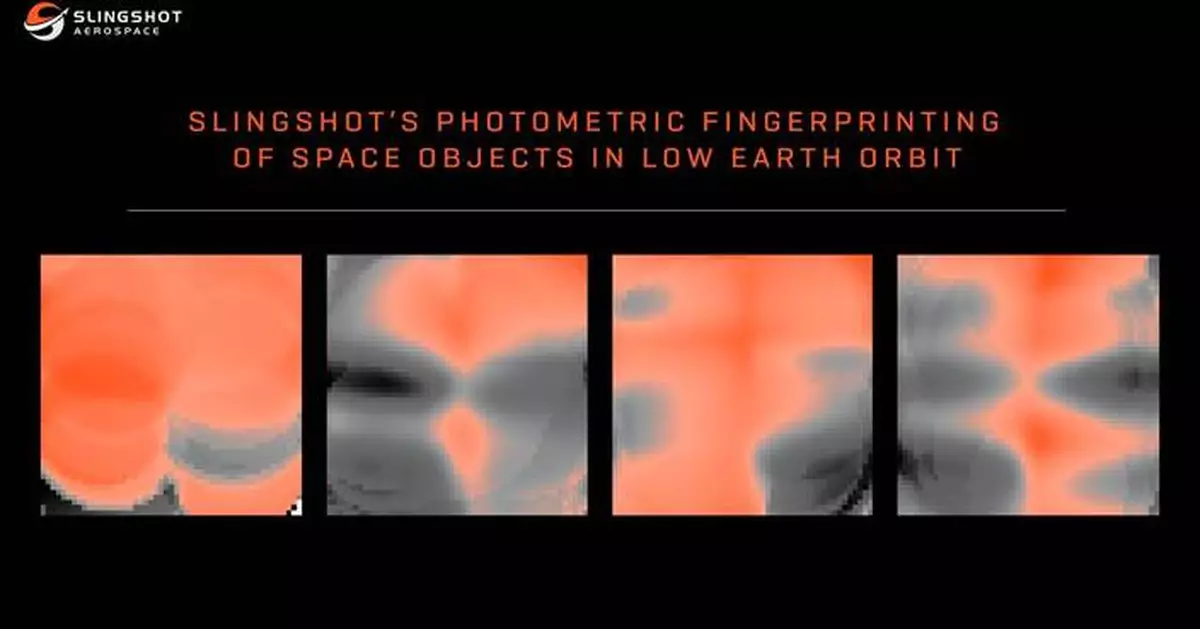
Vast amounts of photometric data from the Slingshot Global Sensor Network create digital signatures of space objects in LEO that Slingshot can identify, track, profile and analyze. This photometric fingerprinting provides defense and intelligence agencies with a new set of tools to unlock applications including:
Slingshot currently maintains a catalog of approximately 14,500 active spacecraft and debris with its globally deployed network of optical sensors, which generate more than 4.5 million photometric observations each night. When analyzed the resulting “light curves” create a unique digital fingerprint for each space object that can be fed into Slingshot’s Agatha AI model to identify changes like shifts in an object's orientation in space or its photometric signature.
“Establishing a comprehensive fingerprint database for all objects in orbit enables us to precisely identify an object’s nature and infer its potential mission objectives,” said Dr. Dylan Kesler, Vice President of Data Science, Slingshot Aerospace. “By applying machine learning across our network, we can identify unexpected behavior and use those insights to support our partners’ defense missions.”
RAPTOR program is part of a Small Business Innovation Research (SBIR) Phase II program administered by AFWERX, the innovation arm of the U.S. Air Force.
About Slingshot Aerospace
Slingshot Aerospace provides government and commercial partners around the world with AI-powered solutions for satellite tracking, space traffic coordination, and space modeling and simulation. The Slingshot Platform transforms disparate space data into a common operating picture of the space domain by leveraging advanced space object tracking, artificial intelligence, astrodynamics, and data fusion. Slingshot’s platform combines data from the Slingshot Global Sensor Network, the Slingshot Seradata satellite and launch database, satellite owner-operators, and other third-party space data providers to create a holistic and dynamic view of space for training, planning, and operations. This unified representation of space activities – past, present, and predicted – enhances operators' space situational awareness, improves operational efficiency, and reduces risk for space operators. Slingshot is driven by its mission to make space safe, sustainable, and secure. The company was launched in 2017 and has locations in California, Colorado, and the UK. Visit slingshot.space and follow Slingshot Aerospace on X and LinkedIn for the latest information. The Slingshot Aerospace media kit, including photos, can be found HERE.
About AFRL
The Air Force Research Laboratory is the primary scientific research and development center for the Department of the Air Force. AFRL plays an integral role in leading the discovery, development, and integration of affordable warfighting technologies for our air, space and cyberspace force. With a workforce of more than 12,500 across nine technology areas and 40 other operations across the globe, AFRL provides a diverse portfolio of science and technology ranging from fundamental to advanced research and technology development. For more information, visit afresearchlab.com.
About AFWERX
As the innovation arm of the DAF and a directorate within the Air Force Research Laboratory, AFWERX brings cutting-edge American ingenuity from small businesses and start-ups to address the most pressing challenges of the DAF. AFWERX employs approximately 370 military, civilian and contractor personnel at four hubs and sites executing an annual $1.4 billion budget. Since 2019, AFWERX has executed over 6,200 new contracts worth more than $4.7 billion to strengthen the U.S. defense industrial base and drive faster technology transition to operational capability. For more information, visit: afwerx.com.
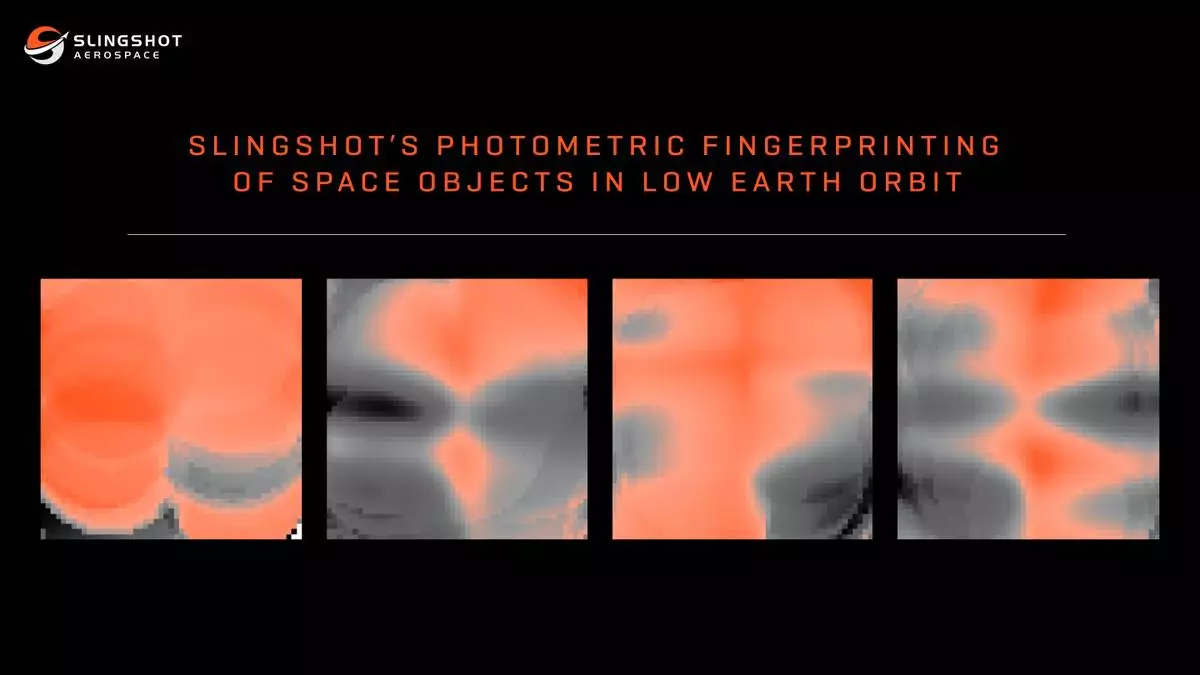
The image shows simplified examples of how Slingshot identifies and characterizes low Earth orbit (LEO) satellites using unique brightness measurements to create digital ‘fingerprints.’ The true digital fingerprints created with RAPTOR are multi-dimensional and difficult to convey.