An official of the International Federation of Red Cross and Red Crescent Societies (IFRC) briefed the organization's ongoing rescue efforts following the deadly 7.9-magnitude earthquake in Myanmar and thanked the international community for their timely support.
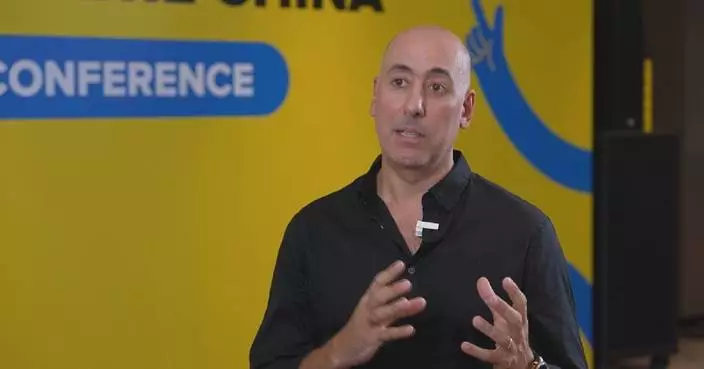
In an interview with China Media Group (CMG) on Wednesday, Marie Manrique, the Myanmar program coordinator for the IFRC, said volunteers and staff from the Myanmar Red Cross have been working across several regions, providing emergency medical care, water purification, and setting up mobile clinics to support earthquake survivors.
"The Myanmar Red Cross Society has been involved in the response since day one immediately. As volunteers are members of their community, they were engaged immediately in first aid, pre-hospital care and ambulance services as possible. Right now we know that we have Myanmar Red Cross volunteers and staff in Sagaing, Mandalay, Nay Pyi Taw, and Bago working in response to this terrible situation," she said.
According to the official, the Myanmar Red Cross Society in Sagaing has a water purification unit that is now working and producing over 5,000 liters of water a day. They are engaged with mobile health clinic that they are using to treat people that have been injured due to the earthquake in Mandalay. And they are going to set up two mobile health clinics as well as another water purification unit.
Manrique also expressed gratitude for the swift international assistance, including support from China, in the aftermath of the disaster.
"The Myanmar Red Cross Society is extremely thankful for the support of all of the National Societies around the world of the Red Cross and the Red Crescent. The International Federation of the Red Cross and Red Crescent Societies has recently launched an emergency appeal that will cover a two-year period that is focused on life saving response during this emergency as well as the recovery and resilience strengthening period, so communities have the opportunity to build back their communities and to work for their long term livelihoods as well as community-level risk reduction," she said.
"Recently we've had the arrival of international teams, including teams from the Red Cross Society of China, Japanese Red Cross, and we know that other international members of the IFRC network are also going to be arriving in Myanmar. We are extremely grateful for the support that everyone is sharing to the Myanmar Red Cross Society, understanding that this is not a country-level concern, but really globally everyone has great condolences for the people of Myanmar, but that we're here to support in the response," she said.
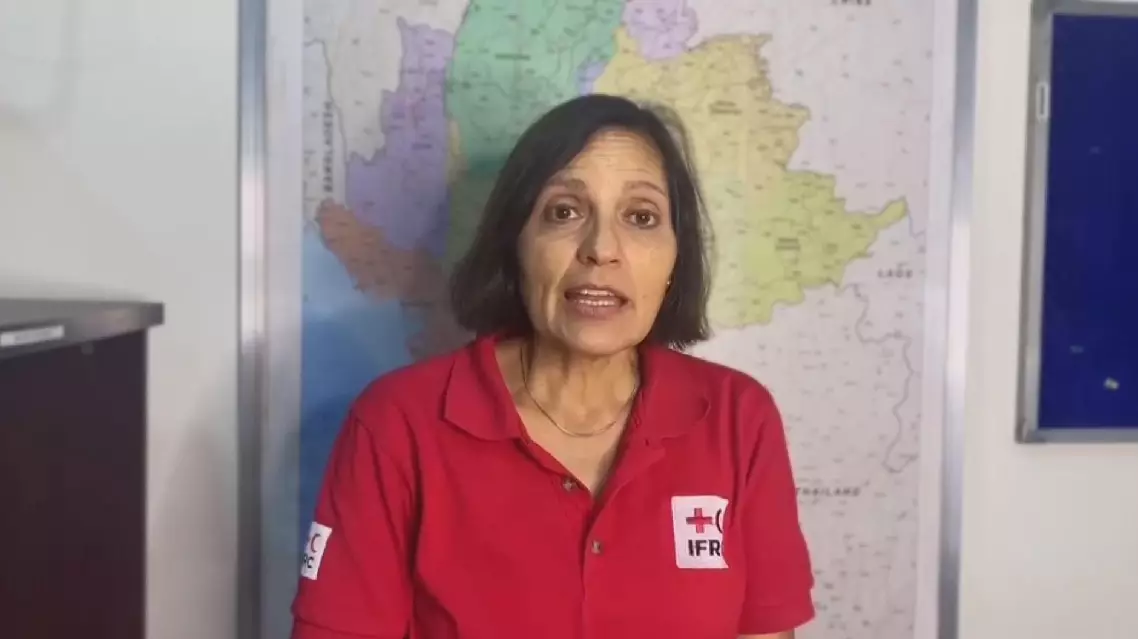
IFRC Myanmar coordinator thanks int'l community for support