NEW YORK (AP) — Tom Hardy has collected troves of knowledge and skill throughout his journey as an actor, forming a megastar career. But any education he received from director Guy Ritchie during their time on the 2008 “RocknRolla” film was gained from afar.
“I didn’t have very much to do with him ... the first time I worked with him. Gerard (Butler) was leading that film and in many elements, we were support staff,” said Hardy. "So, I got to experience being on the Guy Ritchie set, and it was a bit from a position of not being a lead, and that’s a different responsibility.”
Click to Gallery
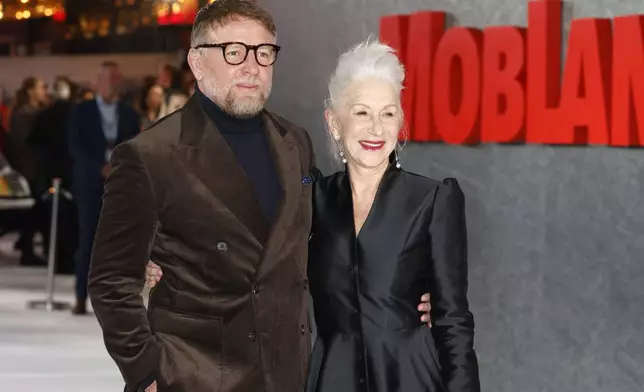
Director Guy Ritchie, left, and Helen Mirren pose for photographers upon arrival at the premiere of 'MobLand' on Thursday, March 27, 2025, in London. (Photo by Millie Turner/Invision/AP)
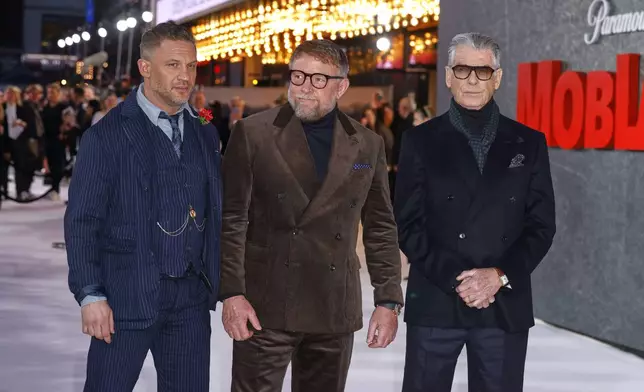
Tom Hardy, from left, director Guy Ritchie and Pierce Brosnan pose for photographers upon arrival at the premiere of 'MobLand' on Thursday, March 27, 2025, in London. (Photo by Millie Turner/Invision/AP)
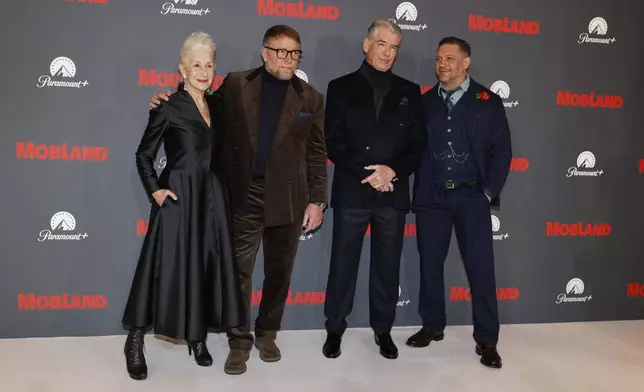
Helen Mirren, from left, director Guy Ritchie, Pierce Brosnan and Tom Hardy pose for photographers upon arrival at the premiere of 'MobLand' on Thursday, March 27, 2025, in London. (Photo by Millie Turner/Invision/AP)
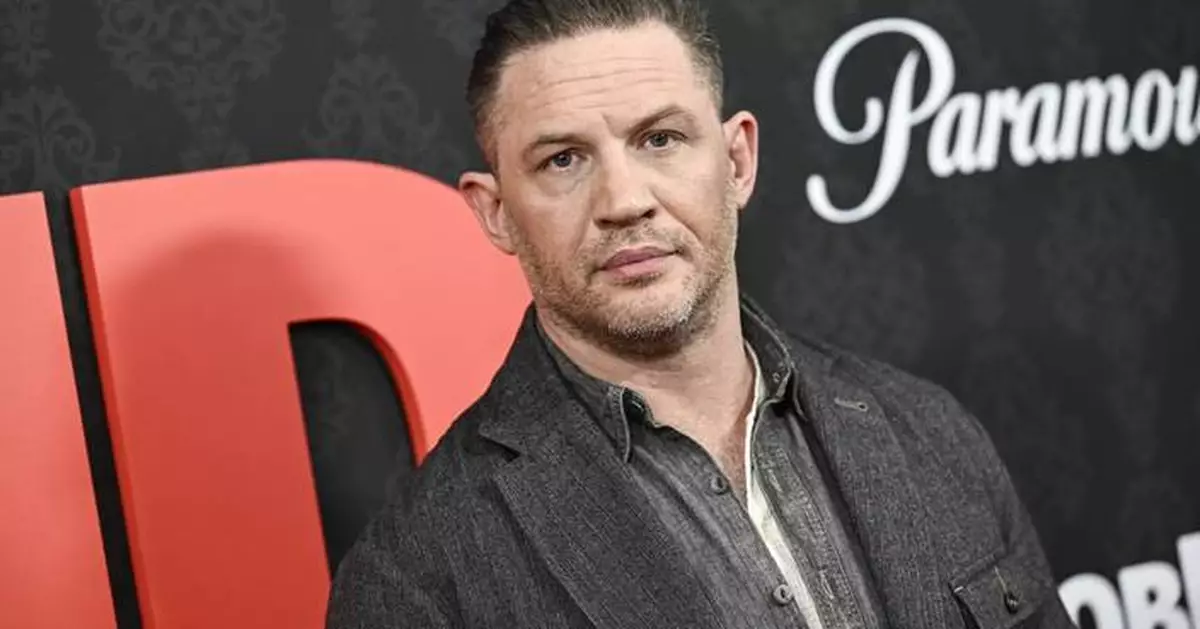
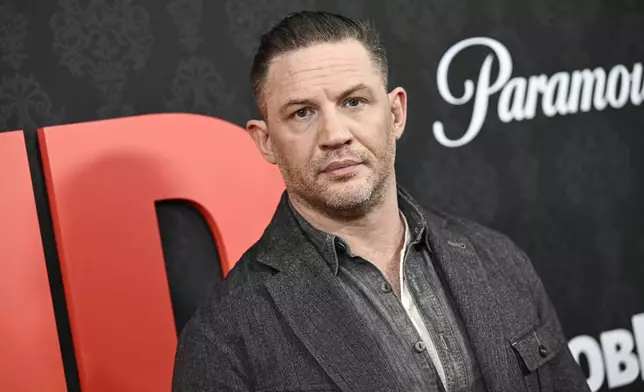
Tom Hardy attends the Paramount+ television series premiere of "MobLand" at the SVA Theatre on Monday, March 31, 2025, in New York. (Photo by Evan Agostini/Invision/AP)
But time can bring people and experiences back around, especially in Hollywood. Since that film 17 years ago, Ritchie has transitioned into esteemed directorial status. And Hardy has morphed into a box office superstar with films like “The Dark Night Rises” as the imposing villain Bane, and the titular role for Marvel’s “Venom” franchise. Now, the two have reunited for Ritchie’s gritty, yet sophisticated series “MobLand.”
“I was really keen to go back and work with him because he’s a fellow Brit and he’s done quite incredible work,” explained Hardy. “I wanted to go and play with him, actually, and see what that was like now I’m older, and it was good fun.”
The Paramount+ original series follows Harry Da Souza (Hardy), an intimidating, yet calm fixer for a London-based crime family hoping to find the missing son of a rival faction to prevent a catastrophic gang war.
How did Hardy prepare to play such a menacing, yet even-keeled character?
“No acting required” he said with a big laugh. “Just turn up and, ‘Oh, yeah, that makes sense’ and say the lines. Don’t bump into the furniture.”
The second episode of the 10-part “MobLand” series airs Sunday on Paramount+.
The series was created by Ronan Bennett, known for popular crime shows like “The Day of the Jackal” and “Top Boy,” and written with playwright Jez Butterworth. Ritchie serves as executive producer and directed the first two episodes. The “MobLand” idea began as a spinoff from Showtime’s popular “Ray Donovan” series, before becoming a stand-alone show.
Two-time Oscar-winner Helen Mirren stars as the devious Maeve, matriarch and manipulator of the crime family, while Pierce Brosnan plays her husband and mob leader, marking a reunion for the pair who worked on the 1980 film “The Long Good Friday.”
It may be hard to think of a role that Dame Mirren hasn’t played, but she found one with “MobLand.”
“There are always characters out there that are going to take you by surprise and … I think, ’Oh my god, I’ve never done anything like that before,” said the “1923” star who believes the line between shooting film and TV is now nearly nonexistent. “That’s one of the sort of beauties of my job, actually, is to constantly be entering into such very, very different worlds.”
Mirren said the opportunity to work with Hardy was intriguing.
“Tom’s involvement in it was one of the reasons I signed up because I’ve admired his work over many years,” Mirren said. “Different actors, you can see, ’Oh, they’re a great actor' … they can perform. But certain actors like Tom, it’s an interior power that just communicates with the camera. And Tom’s got that. You know what? It’s called star power.”
The “MobLand” cast features Paddy Considine of “House of the Dragon” fame, Joanne Froggatt, Lara Pulver, Anson Boon and Mandeep Dhillon. While this show technically reunites Mirren and Brosnan, they also shot the upcoming “The Thursday Murder Club” film prior to this project.
While much was unknown when Brosnan signed on, “MobLand” had all the right ingredients for the former James Bond to dive in, starting with Ritchie, who released his Netflix series “The Gentlemen” last year.
“He’s naughty. He’s cheeky. He’s bold,” said Brosnan. “I love his work. His movies. The way he’s acquitted himself on the landscape of cinema. He’s a unique talent all his own … so I said yes. I wanted to go back to London. I wanted to work."
Next for Hardy is the crime drama film “Havoc” premiering later this month, and there's chatter of a potential sequel to his 2015 “Mad Max: Fury Road.” A second season of “Taboo” is on the way — nearly a decade after its debut. What about a “Spider-Man” and “Venom” crossover? Hardy addressed the rumors that an alleged project fell apart, clarifying it was never in the works.
“People embellish a story. I just said I would have loved to work with ‘Spider-Man,’ but it never happened, which is a fact. It hasn’t happened. And I’m no longer working with ‘Venom’ … it is a shame because my kids would love to watch Venom and Spider-Man together,” said Hardy. “I would have liked that.”
This story corrects title of film in paragraph 3 to “The Dark Knight Rises.”
Follow Associated Press entertainment journalist Gary Gerard Hamilton at @GaryGHamilton on all his social media platforms.
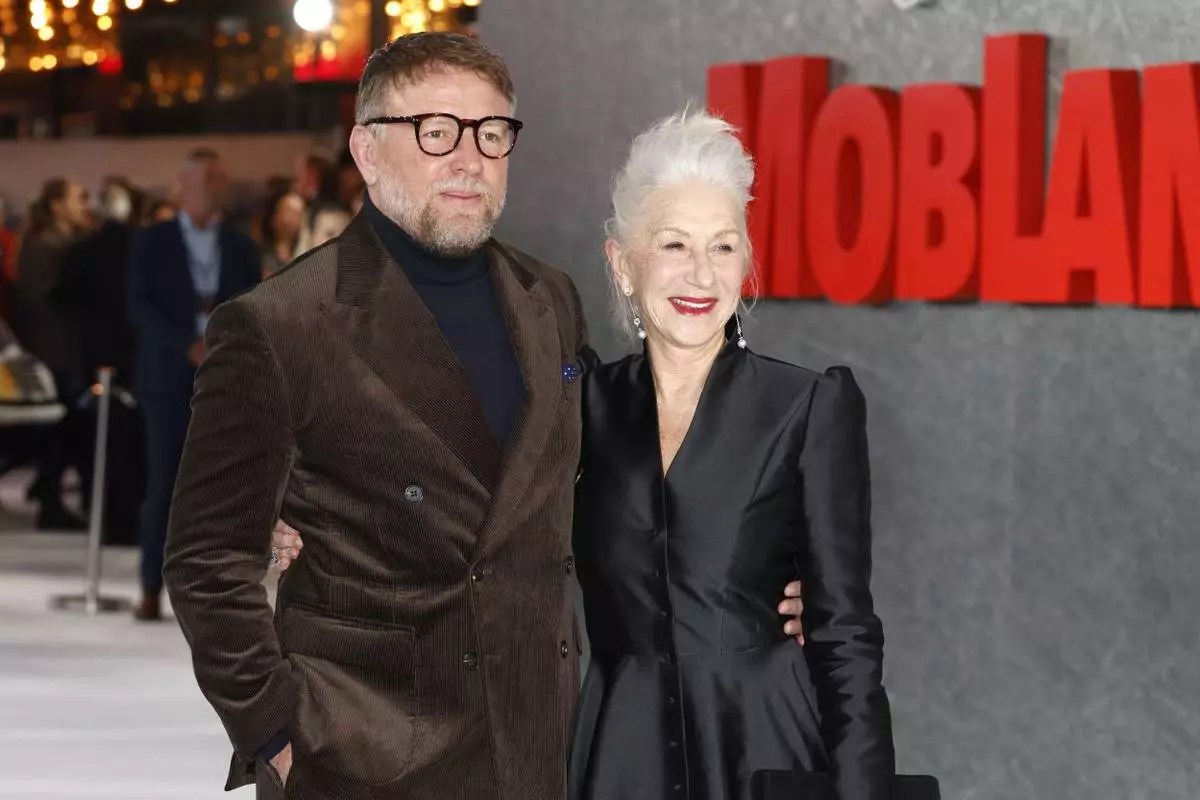
Director Guy Ritchie, left, and Helen Mirren pose for photographers upon arrival at the premiere of 'MobLand' on Thursday, March 27, 2025, in London. (Photo by Millie Turner/Invision/AP)
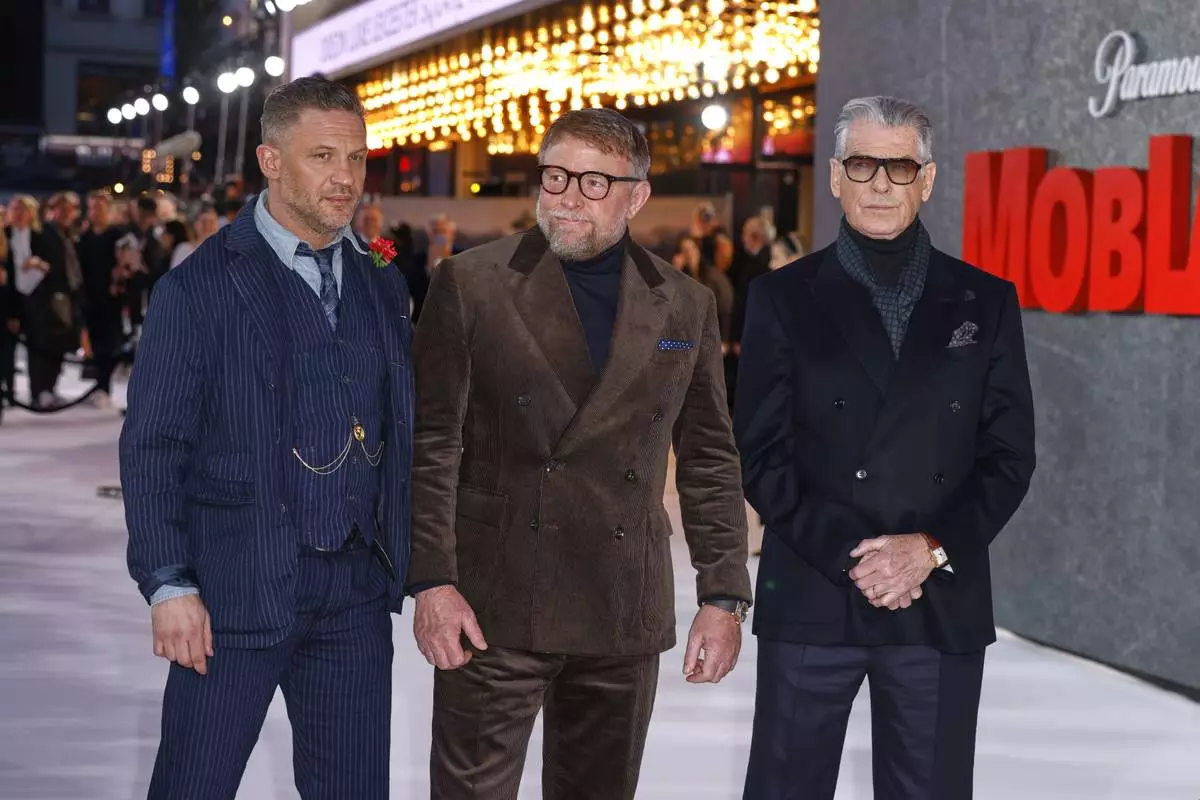
Tom Hardy, from left, director Guy Ritchie and Pierce Brosnan pose for photographers upon arrival at the premiere of 'MobLand' on Thursday, March 27, 2025, in London. (Photo by Millie Turner/Invision/AP)
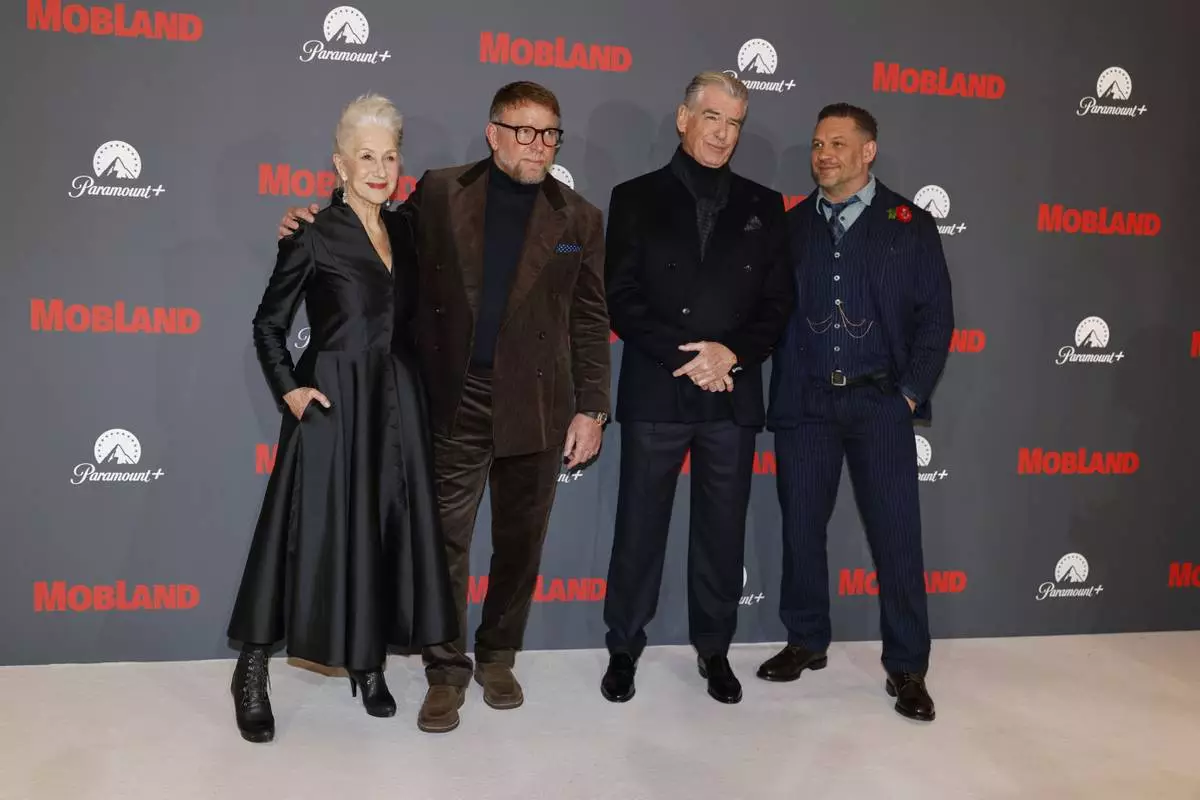
Helen Mirren, from left, director Guy Ritchie, Pierce Brosnan and Tom Hardy pose for photographers upon arrival at the premiere of 'MobLand' on Thursday, March 27, 2025, in London. (Photo by Millie Turner/Invision/AP)
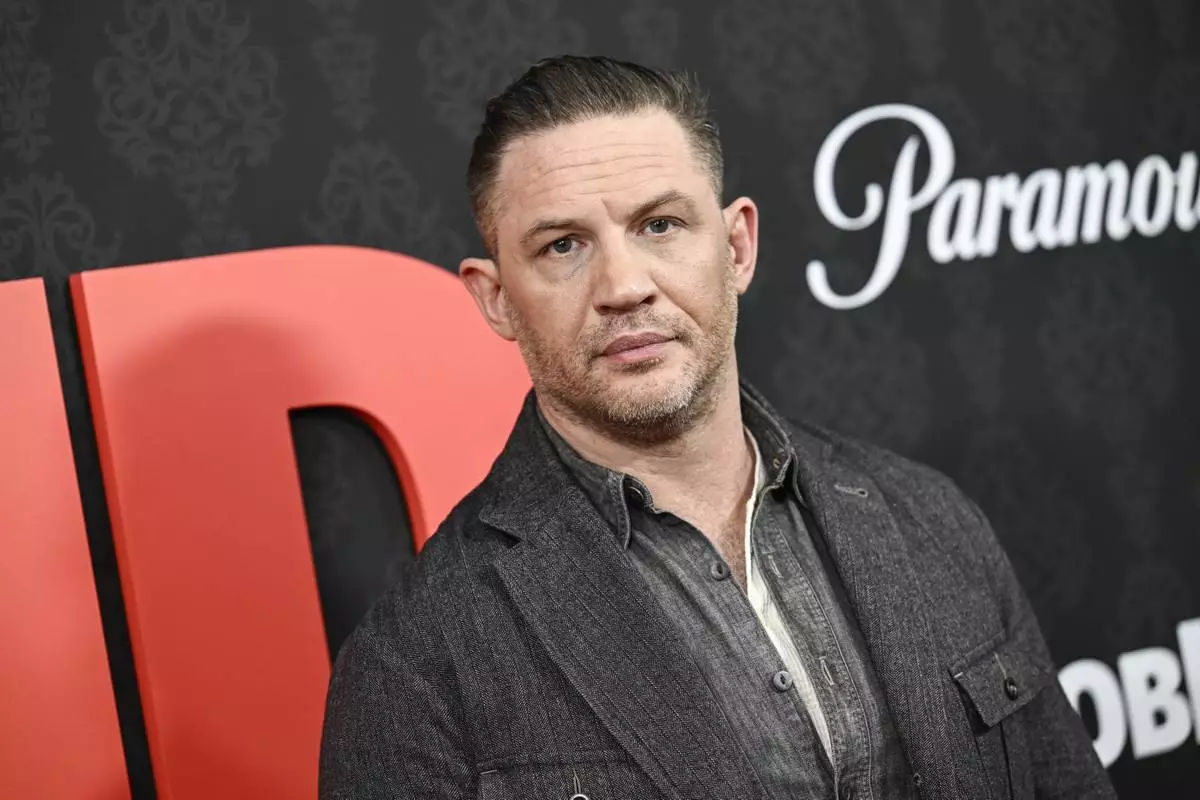
Tom Hardy attends the Paramount+ television series premiere of "MobLand" at the SVA Theatre on Monday, March 31, 2025, in New York. (Photo by Evan Agostini/Invision/AP)
DUBAI, United Arab Emirates (AP) — The chief of Iran’s nuclear agency said Thursday that protecting Tehran’s right to enrich uranium is “necessary” for any ceasefire talks with the United States.
Mohammad Eslami, who leads the Atomic Energy Organization of Iran, made the remarks to journalists including one from The Associated Press in Tehran, Iran, during commemorations for the late Supreme Leader Ayatollah Ali Khamenei.
“It is a part of the necessary (things) that nobody speaks about,” Eslami said, referring to the U.S. refusal to acknowledge enrichment as one part of Iran’s 10-point plan for a permanent ceasefire.
The U.S. and Iran are due to meet in Islamabad, the capital of Pakistan, for talks this weekend.
THIS IS A BREAKING NEWS UPDATE. AP’s earlier story follows below.
DUBAI, United Arab Emirates (AP) — A tentative ceasefire in the Iran war staggered Thursday under the weight of Israel’s intense bombardment of Beirut, Tehran’s continued chokehold on the Strait of Hormuz, and uncertainty over whether negotiators can find common ground on a range of other differences.
Hours after the ceasefire was announced — amid disagreement over whether it included a pause in fighting between Israel and Hezbollah — Israel pounded Beirut with airstrikes, resulting in the deadliest day in the country since the war began on Feb. 28.
Iran and the U.S. — which both declared victory in the wake of the ceasefire announcement — appeared to try to pressure each other. Semiofficial news agencies in Iran suggested forces have mined the Strait of Hormuz, a crucial waterway for the world’s oil whose closure has proved Tehran’s greatest strategic advantage in the conflict. President Donald Trump, meanwhile, warned that U.S. forces would hit Iran even harder than before if it did not fulfill the agreement.
But what that agreement is remains in deep dispute. Beyond whether Lebanon is included, there are questions over what will happen to Iran’s stockpile of enriched uranium, how and when normal traffic will resume through the strait, and what happens to Iran’s ability to launch missile attacks in the future.
At least 182 people were killed in Lebanon on Wednesday when Israel intensified its attacks on the Iran-backed Hezbollah militant group, which joined the war in support of Tehran. First responders searched overnight for missing people still under the rubble after the strikes, which hit commercial and residential areas of Beirut.
Israel said Thursday it killed Ali Yusuf Harshi, an aide to Hezbollah leader Naim Kassem. Hezbollah did not immediately respond to a request for comment.
Iranian Foreign Minister Abbas Araghchi has insisted that an end to the war in Lebanon was part of the ceasefire deal, but Israeli Prime Minister Benjamin Netanyahu and Trump said it was not.
A New York-based think tank warned the deal “ hovers on the verge of collapse.”
“Even if Lebanon was formally outside the deal, the scale of Israel’s strikes was likely to be viewed as escalatory, nonetheless,” the Soufan Center wrote in an analysis. “Israel’s strikes can be understood both as an effort to drive a wedge between Iran and its proxies and as a response to being allegedly sidelined in the original ceasefire discussions.”
Lebanon’s state-run National News Agency reported Thursday that an Israeli strike overnight had killed at least seven people in southern Lebanon. The Israeli military did not immediately acknowledge the strike.
Semiofficial news agencies in Iran published a chart Thursday suggesting the country’s paramilitary Revolutionary Guard put sea mines into the strait during the war — a message that may be intended to pressure the U.S.
The chart, released by the ISNA news agency and Tasnim, showed a large circle marked “danger zone” in Farsi over the route ships take through the strait, through which 20% of all traded oil and natural gas once passed.
Only a trickle of ships have passed through the strait since the war began after a few were attacked and Iran threatened to hit any that it deemed connected to the U.S. or Israel. Ships appeared to continue to avoid the strait Wednesday, despite the ceasefire: Data from Kpler showed only four vessels with their trackers on passed through.
The chart suggested ships travel through waters closer to Iran’s mainland near Larak Island, a route that some ships were observed taking during the war. It was dated from Feb. 28 until April 9, and it was unclear if the Guard had cleared any mines since then.
Iran’s deputy foreign minister, Saeed Khatibzadeh, told the BBC on Thursday that his country will allow ships to pass through the strait in accordance with “international norms and international law” once the United States ends its “aggression” in the Middle East and Israel stops attacking Lebanon.
The strait’s de facto closure has caused oil prices to skyrocket — raising, in turn, the cost of gasoline, food and other basics far beyond the Middle East. Oil prices fell on news of the ceasefire Wednesday, but began to climb as uncertainty over the deal grew.
The spot price of Brent crude, the international standard, was around $98 Thursday — up about 35% since the war began.
Trump warned that U.S. warships and troops will remain around Iran “until such time as the REAL AGREEMENT reached is fully complied with.”
If it is not, “then the ‘Shootin’ Starts,’ bigger, and better,” Trump wrote in a social media message.
The White House said that Vice President JD Vance would lead the U.S. delegation for talks in Islamabad aimed at ending the war, which are set to start Saturday.
There appear to be many points of disagreement to address, including whether Iran will be allowed to formalize a system of charging ships to use the strait that it has instituted. That would upend decades of precedent treating it as an international waterway that was free to transit.
The fate of Iran’s missile and nuclear programs — the elimination of which were major objectives for the U.S. and Israel in going to war — also remained unclear. The U.S. insists Iran must never be able to build nuclear weapons and wants to remove Tehran’s stockpile of highly enriched uranium, which could be used to build them, should it choose to pursue the bomb. Iran insists its program is peaceful.
Trump said Wednesday that the U.S. would work with Iran to remove the buried uranium, though Iran did not confirm that. In one version of the deal that Iran published, it said it would be allowed to continue enrichment.
Becatoros reported from Athens, Greece. Chan Ho-him in Hong Kong, Zeke Miller in Washington and Kareem Chehayeb and Hussein Malla in Beirut contributed to this report.
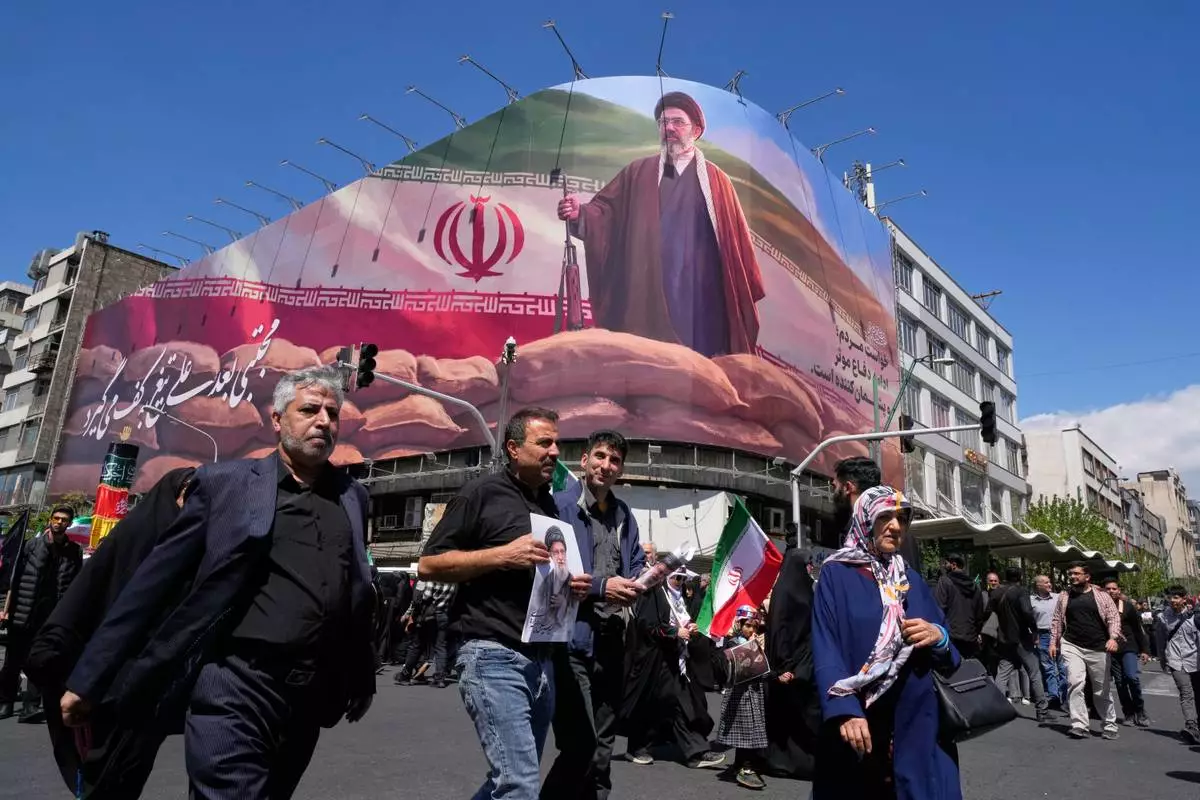
Government supporters walk past a billboard depicting Iran's Supreme Leader Mojtaba Khamenei as they gather to mark the 40th day since the killing of his father, slain Supreme Leader Ayatollah Ali Khamenei, in Tehran, Iran, Thursday, April 9, 2026. (AP Photo/Vahid Salemi)
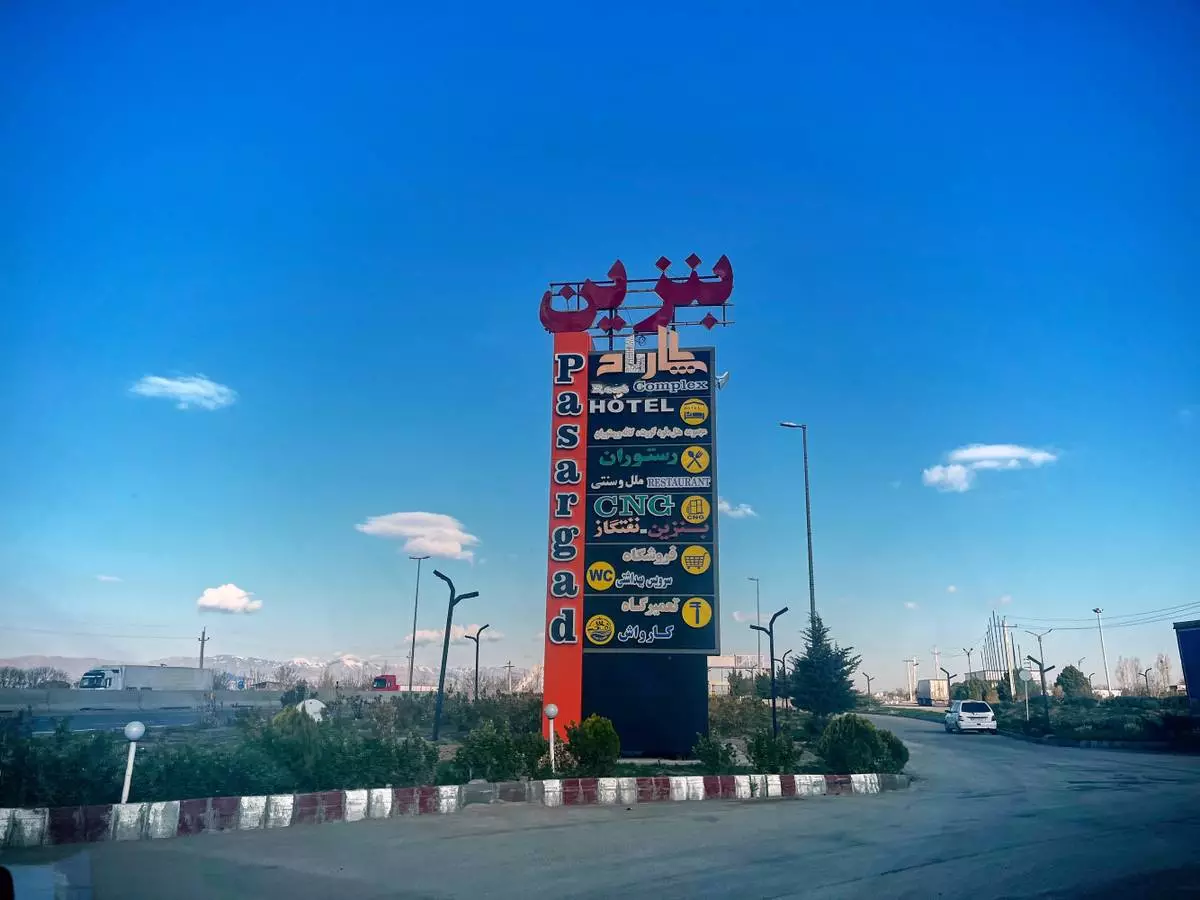
A sign for a roadside hotel is seen on Road 2 near Golhahr, Iran, Thursday, April 9, 2026. (AP Photo/Francisco Seco)
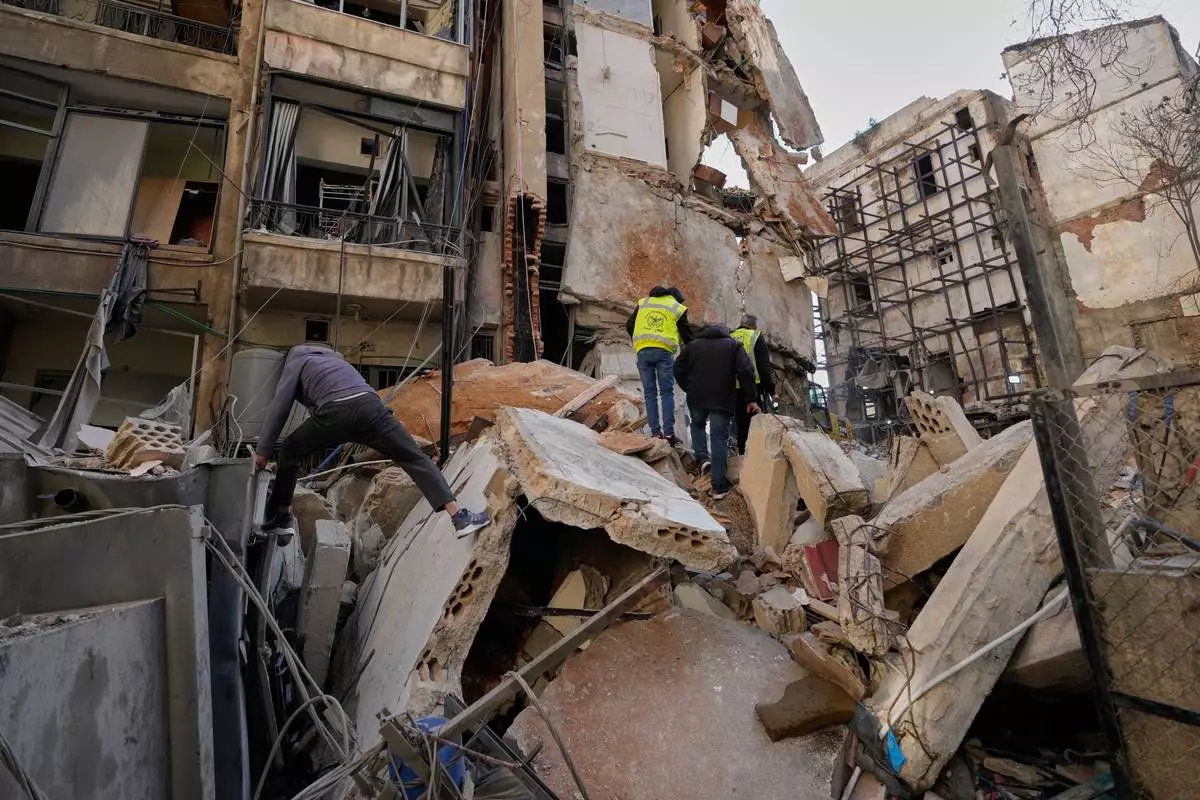
People inspect the rubble of a building destroyed in an Israeli airstrike a day earlier in Beirut, Lebanon, Thursday, April 9, 2026. (AP Photo/Hussein Malla)
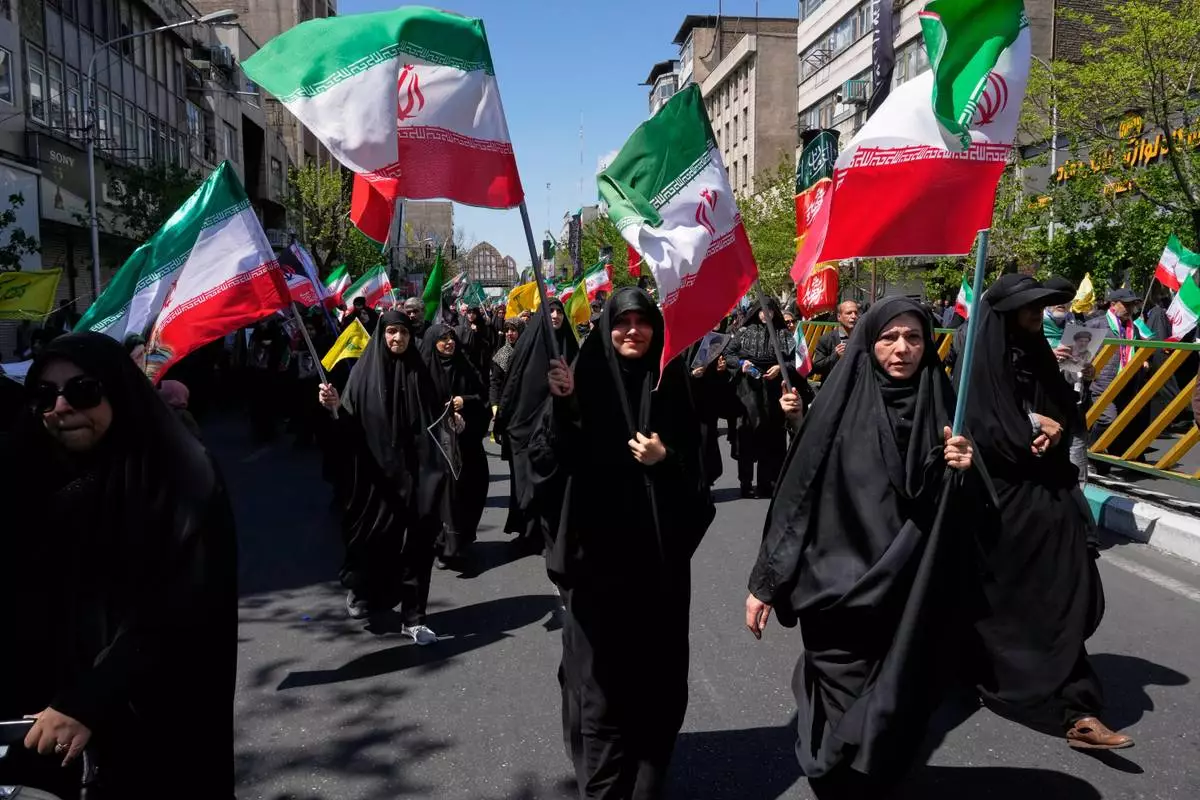
Government supporters gather to mark the 40th day since the death of Supreme Leader Ayatollah Ali Khamenei in Tehran, Iran, Thursday, April 9, 2026. (AP Photo/Vahid Salemi)
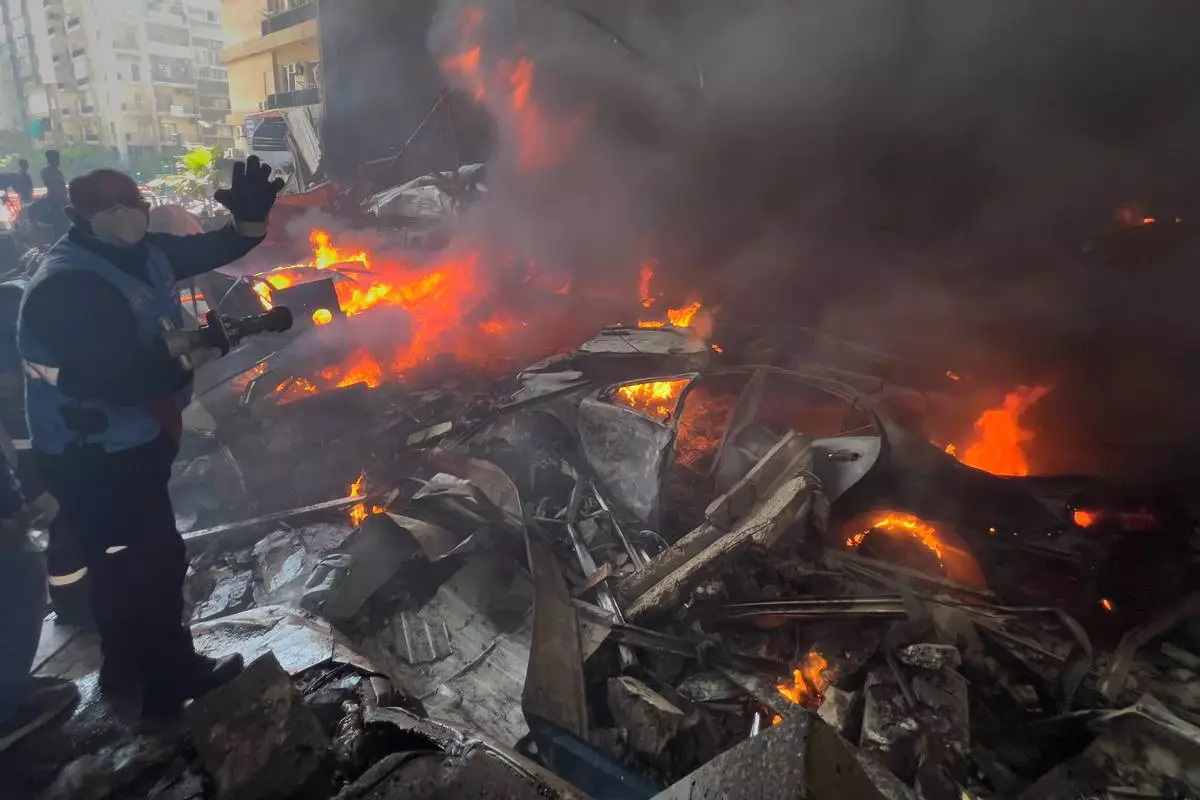
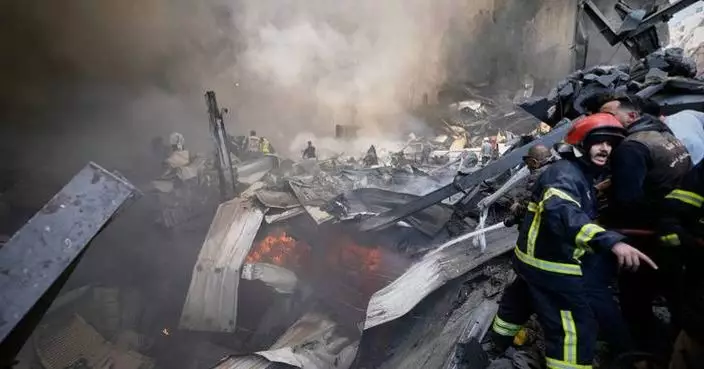
A rescue worker extinguishes burning cars at the site of an Israeli airstrike in central Beirut, Lebanon, Wednesday, April 8, 2026. (AP Photo/Hussein Malla)
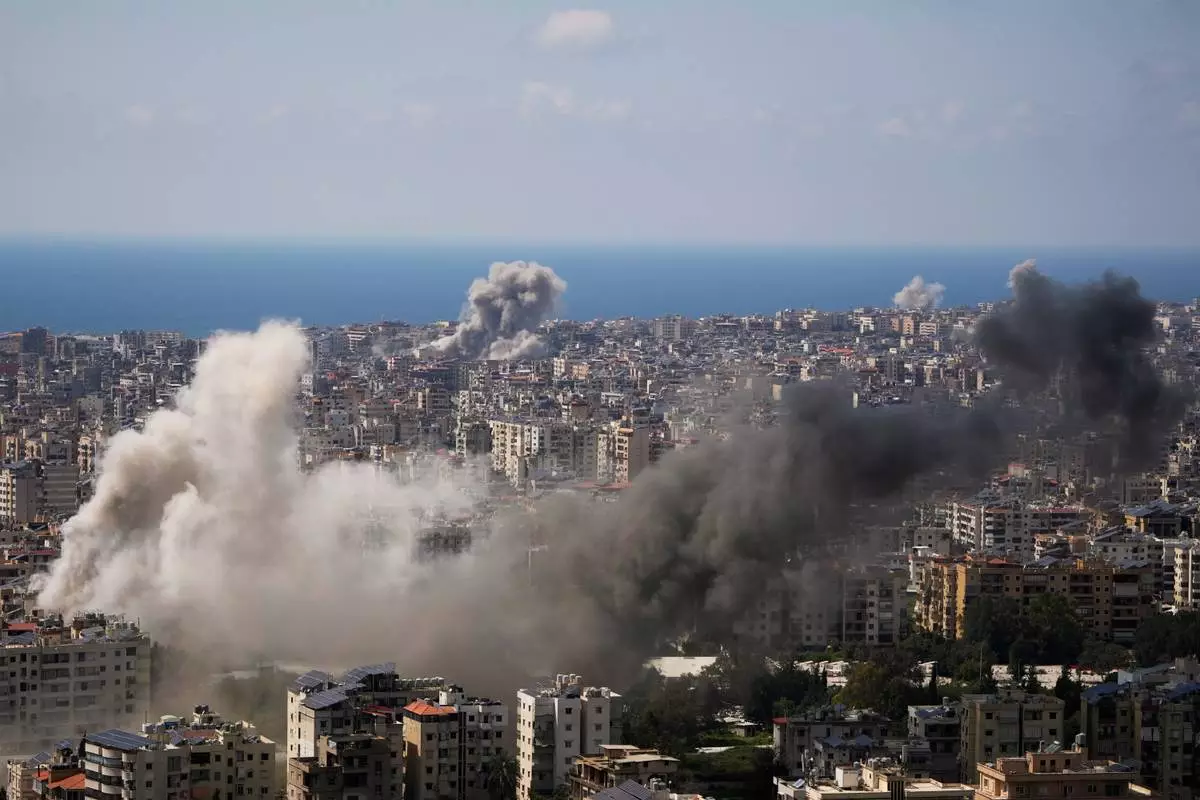
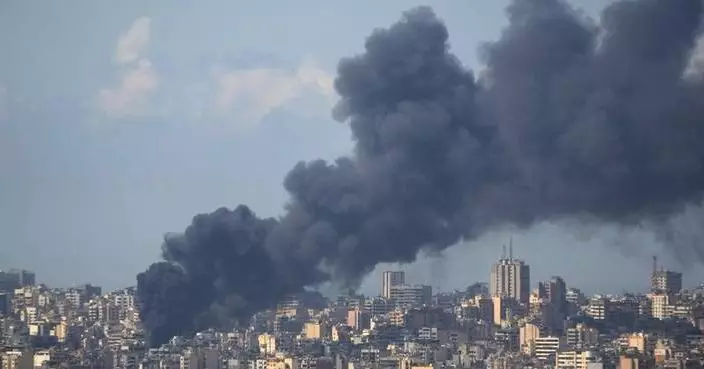
Smoke rises following several Israeli airstrikes in Beirut, Lebanon, Wednesday, April 8, 2026. (AP Photo/Hassan Ammar)
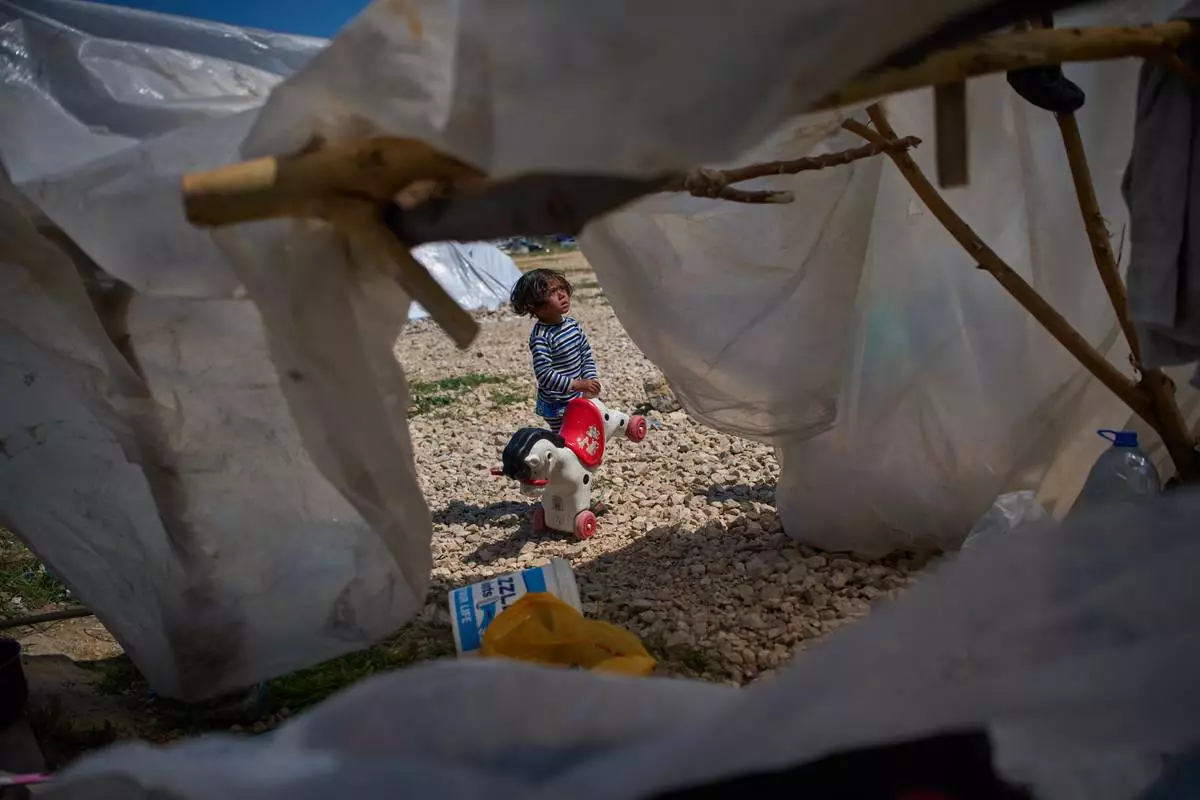
Ali, 4, holds a toy horse next to the tent his family uses as a shelter after fleeing Israeli bombardment in southern Lebanon, in Beirut, Lebanon, Wednesday, April 8, 2026. (AP Photo/Emilio Morenatti)
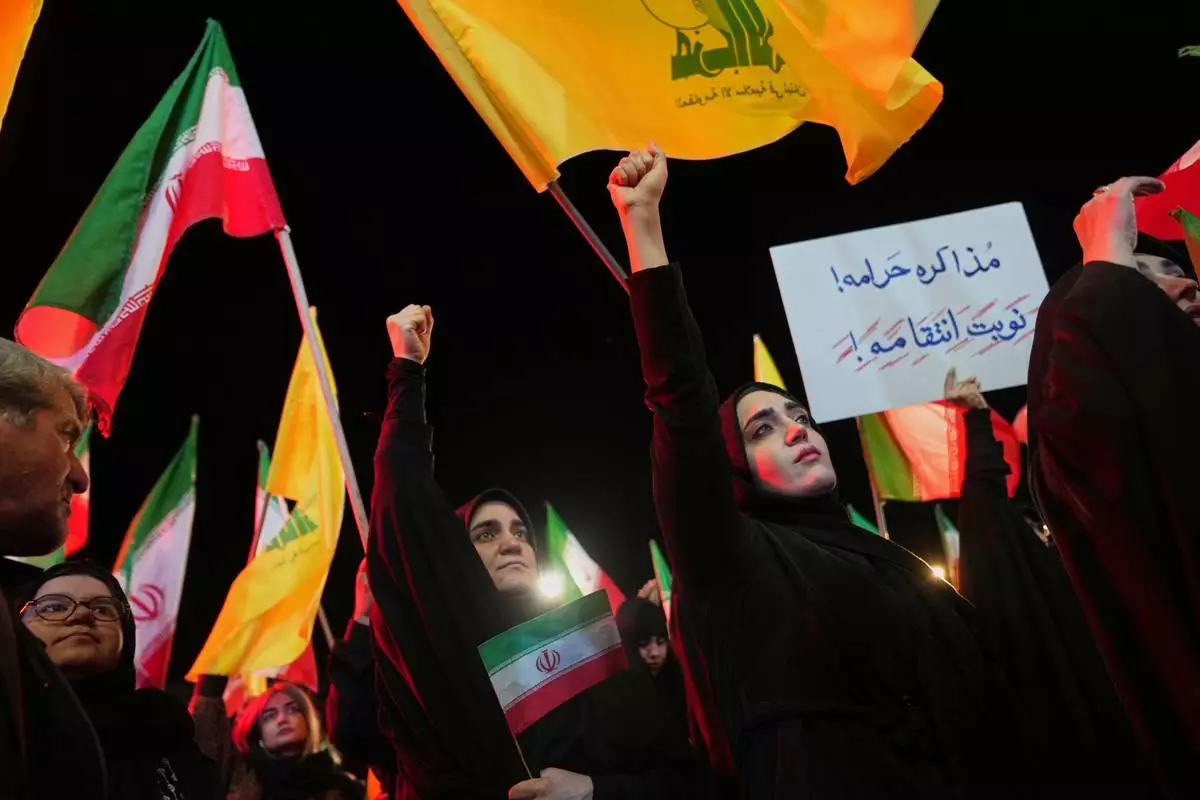
Government supporters gather ahead of the funeral procession for Maj. Gen. Majid Khademi, head of intelligence for Iran's paramilitary Revolutionary Guard, in Tehran, Iran, Wednesday, April 8, 2026. (AP Photo/Francisco Seco)
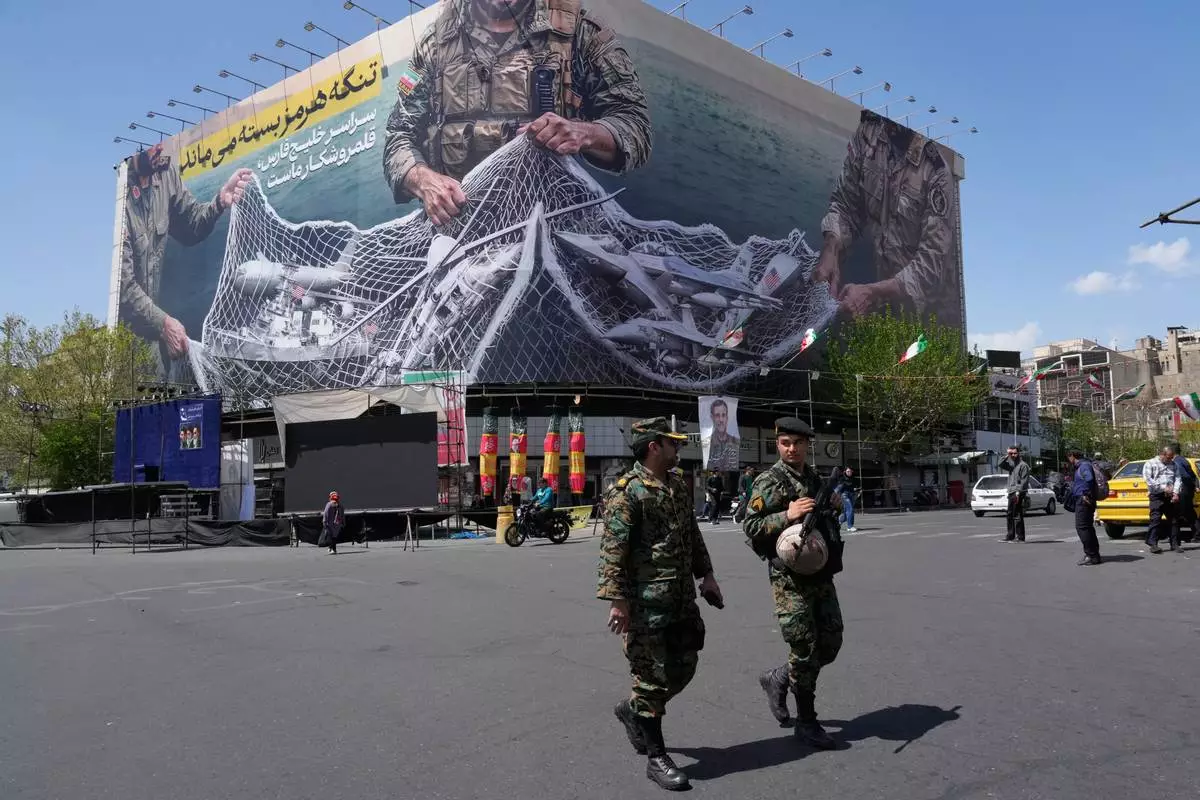
FILE - Two police officers walk in front of an anti-U.S. billboard depicting American aircraft being caught by Iranian armed forces in a fishing net beneath the words in Farsi, "The Strait of Hormuz will remain closed, The entire Persian Gulf is our hunting ground," in Tehran, Iran, Sunday, April 5, 2026. (AP Photo/Vahid Salemi, File)