EDEN PRAIRIE, Minn. & REHOVOT, Israel--(BUSINESS WIRE)--Apr 7, 2025--
Stratasys Ltd. (NASDAQ: SSYS) today announced it has signed a Memorandum of Understanding to partner with German-based software company, trinckle 3D GmbH, to integrate its fixturemate™ software into Stratasys’ industry-leading GrabCAD Print™ Pro software package.
This press release features multimedia. View the full release here: https://www.businesswire.com/news/home/20250407658880/en/
This integration will complete Stratasys’ tooling workflow. It allows for simplified fixtures design by non-CAD-designers and broaden the range of users who can benefit from the capabilities of GrabCAD ® software, expanding the opportunity for innovation while creating a more seamless workflow from design to production.
The addition of fixturemate enables manufacturers without CAD expertise to design and configure custom 3D-printed fixtures within Stratasys’ GrabCad Print Pro. This partnership is aimed to expand the reach of GrabCAD Print Pro to address the growing demand for fixture and tooling applications across nearly all industries, including industrial, transportation, service bureaus, contract manufacturing, and service and repair.
“Eliminating the need for specialized CAD skills gives customers flexibility with their manufacturing workforce when it comes to the development of complex fixtures and tooling,” said Victor Gerdes, Vice President, Software, Stratasys. “This new offering is targeted at delivering significant savings in time and workforce development, while allowing customers to use our solutions for both print preparation as well as critical design tasks for manufacturing,”
Using intelligent automation, the fixturemate software automates the design of custom fixtures, allowing manufacturers to create secure, precise holding solutions in minutes. This combined solution eliminates the manual effort and complexity traditionally associated with fixture design. The new software package optimizes fixture geometry based on part shape, ensuring a secure hold while exposing necessary surfaces for machining, inspection, or assembly. Integrated seamlessly into Stratasys’ GrabCAD Print Pro, fixturemate accelerates production workflows, reduces material costs, and increases manufacturing efficiency.
“We're removing one of the biggest barriers in additive manufacturing, the need for specialized CAD skills and the costs associated with the manual design process,” said Florian Reichle, CEO and Co-Founder of trinckle 3D. “By integrating fixturemate with Stratasys’ GrabCAD Print Pro, we’re making it easier than ever for manufacturers to create custom, production-ready fixtures in minutes. This software will eliminate bottlenecks, accelerate workflows and maximize the value of additive manufacturing.”
Stratasys expects to showcase the new fixturemate / GrabCAD Print Pro integration at the RAPID + TCT in Detroit, April 8 th to 10 th. Attendees will see firsthand how automated fixture design simplifies manufacturing workflows. The new software offering is expected to be available later this year, across the entire Stratasys technology portfolio.
Note Regarding Forward-Looking Statement
The statements in this press release relating to Stratasys’ expectations of the benefits that it will receive from its partnership with trinckle, are forward-looking statements reflecting management's current expectations and beliefs. These forward-looking statements are based on current information that is, by its nature, subject to rapid and even abrupt change. Due to risks and uncertainties associated with Stratasys' business, actual results could differ materially from those projected or implied by these forward-looking statements. These risks and uncertainties include, but are not limited to: the risk that the benefits that Stratasys expects from the partnership will not materialize, or could be less, than Stratasys currently expects, due to technical or other unforeseen reasons; [describe other specific risks related to the forward-looking statements]; and other risk factors more fully explained under the caption “Risk Factors” in Stratasys' most recent Annual Report on Form 20-F, filed with the Securities and Exchange Commission (SEC) on March 3, 2015. Stratasys is under no obligation (and expressly disclaims any obligation) to update or alter its forward-looking statements, whether as a result of new information, future events or otherwise, except as otherwise required by the rules and regulations of the SEC.
About Stratasys
Stratasys is leading the global shift to additive manufacturing with innovative 3D printing solutions for industries such as aerospace, automotive, consumer products, and healthcare. Through smart and connected 3D printers, polymer materials, a software ecosystem, and parts on demand, Stratasys solutions deliver competitive advantages at every stage in the product value chain. The world’s leading organizations turn to Stratasys to transform product design, bring agility to manufacturing and supply chains, and improve patient care.
To learn more about Stratasys, visit www.stratasys.com, the Stratasys blog, X/Twitter, LinkedIn, or Facebook. Stratasys reserves the right to utilize any of the foregoing social media platforms, including Stratasys’ websites, to share material, non-public information pursuant to the SEC’s Regulation FD. To the extent necessary and mandated by applicable law, Stratasys will also include such information in its public disclosure filings.
About trinckle
trinckle is a Berlin-based software company focused on simplifying design processes and unlocking the full potential of AM for the era of digital manufacturing. By making design accessible, trinckle removes engineering bottlenecks and empower anyone to act on their ideas, even without CAD experience. The core technology has simplified scalable AM applications across manufacturing, medical patient-specific devices, through to customizable consumer goods. For more information about trinckle’s products, customers, and partnership opportunities, visit www.trinckle.com.
Stratasys, GrabCAD and GrabCAD Print are trademarks or registered trademarks of Stratasys Ltd. and/or its affiliates. Trinckle and fixturemate are trademarks or registered trademarks of trinckle 3D GmbH.
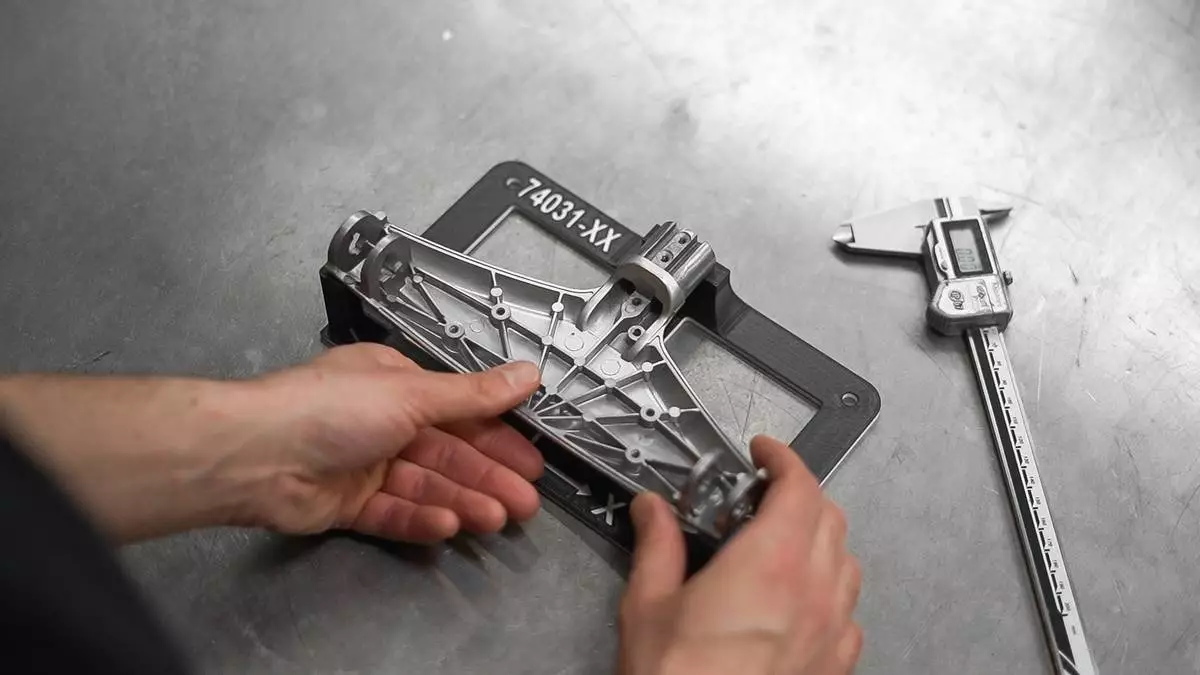
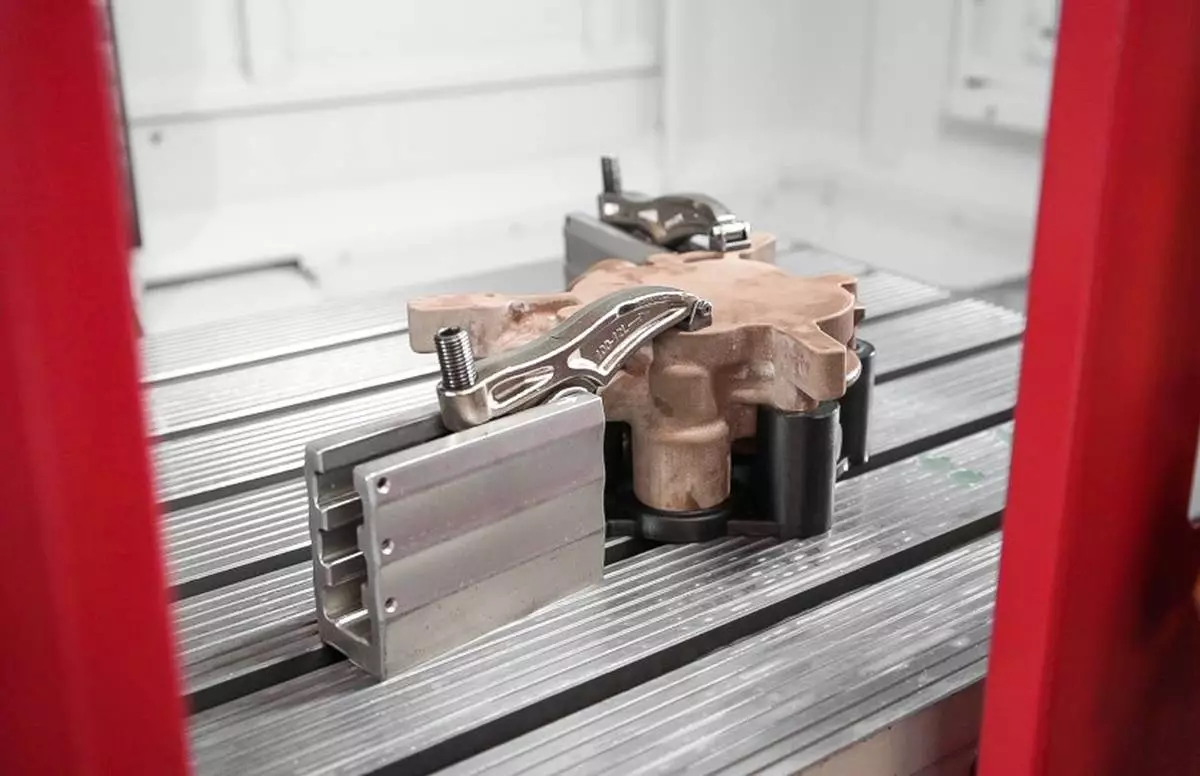
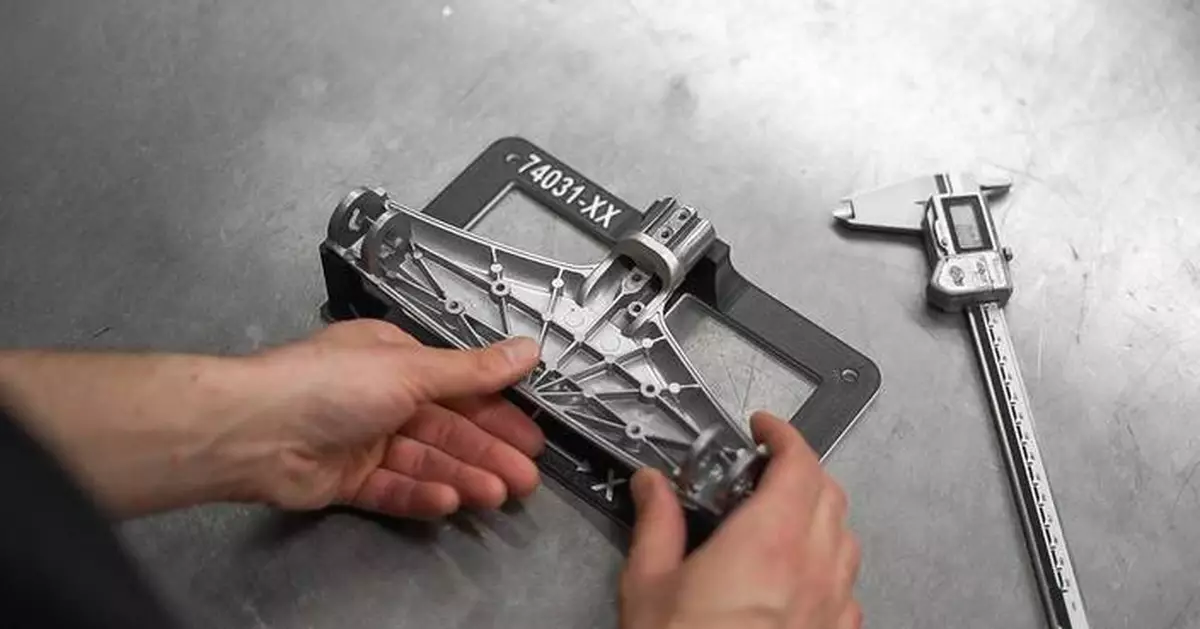
Efficient fixturing solution that eliminates machining costs for the fixture itself. Created for a cast part requiring secondary operations for holes and undercuts. Integrating trinckle's fixturemate into Stratasys' GrabCAD Print, fixture design time is reduced to minutes without requiring CAD expertise or extensive engineering resources.
With Stratasys and trinckle's software technology, a precision metrology inspection fixture that securely positions parts for accurate measurement. The 3D-printed design eliminates costly machining while maintaining tight tolerances.