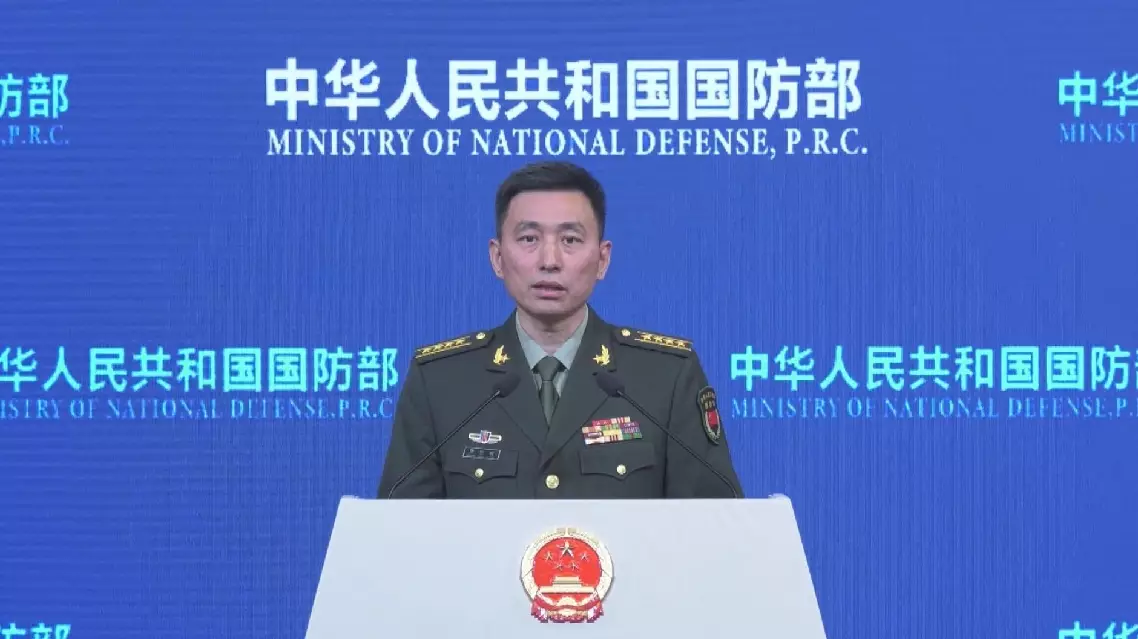
The Philippines should stop making waves in the South China Sea by relying on U.S. support, as it will only "backfire", a spokesman for China's Ministry of National Defense warned on Wednesday.
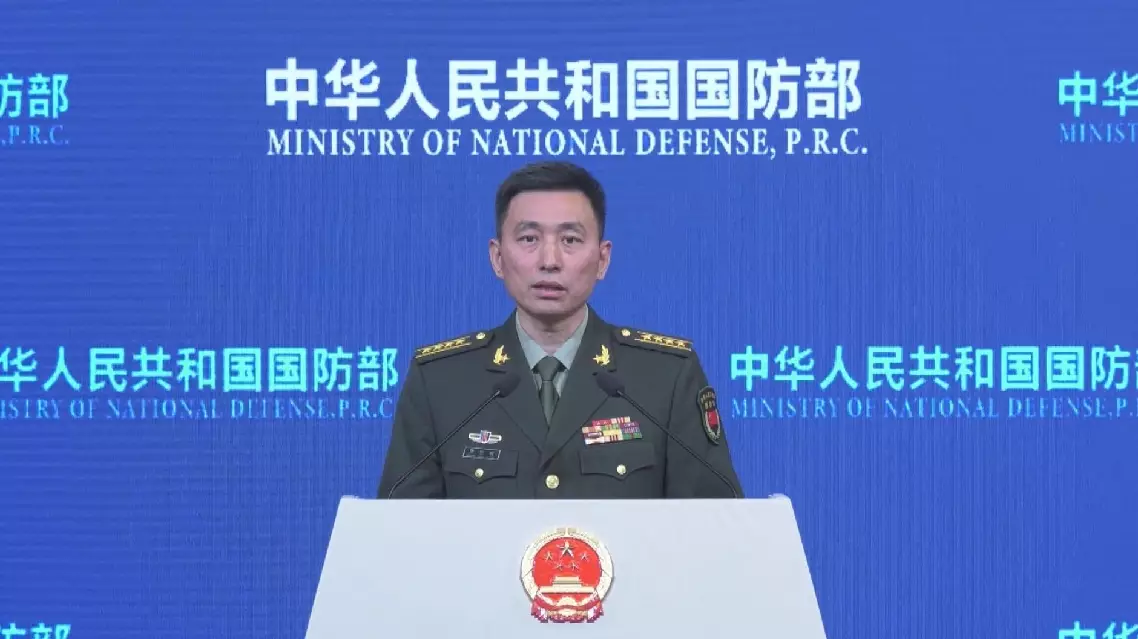
Zhang Xiaogang, the spokesman, made the warning in response to a media query about U.S. Secretary of Defense Pete Hegseth's recent visit to the Philippines. During the visit, Hegseth reaffirmed the U.S. commitment to the U.S.-Philippines Mutual Defense Treaty to counter the "China threat", and the two countries also conducted joint sea patrols in the South China Sea amid rising tensions. Additionally, the United States has recently approved the sale of F-16 fighter jets to the Philippines.
Zhang noted that such provocative actions undermine China's territorial sovereignty and maritime rights, while also threatening regional peace and stability.
"On the pretext of honoring bilateral treaties, the United States is meddling in the South China Sea issue, undermining China's territorial sovereignty and maritime rights and interests, and attempting to threat and coerce China. This approach will simply not work. It needs to be pointed out that the Philippine side has repeatedly made infringements and provocation against China. Outside countries led by the United States have made continued attempts to destabilize the South China Sea through escalating tensions and providing weapons. It fully exposed their true intention of making troubles in the region. To the Philippine side, relying on foreign support to make waves in the South China Sea will backfire and eventually pawns will easily be abandoned. We urge the Philippine side to give up unrealistic illusions and come back to the right track of dialogue and negotiation at an early date," said Zhang.
China warns Philippines against relying on US to make waves in South China Sea
China warns Philippines against relying on US to make waves in South China Sea
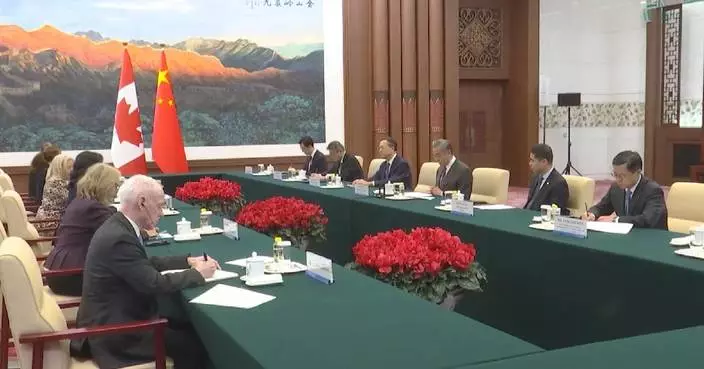
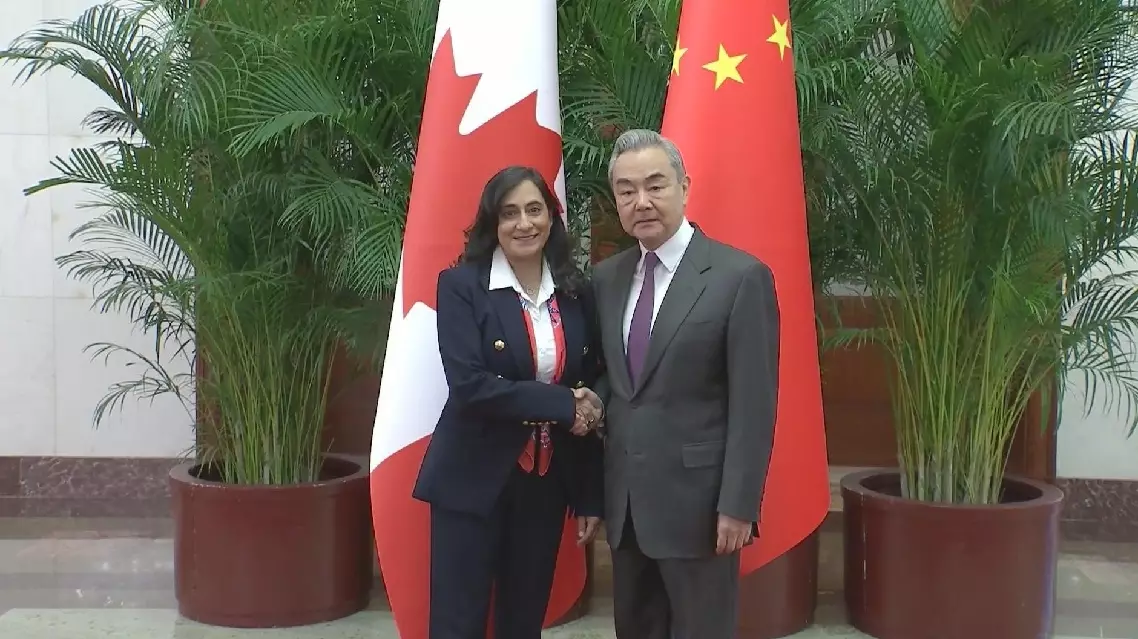
China is willing to strengthen communication, enhance trust, eliminate interference, and deepen cooperation with Canada to bring bilateral relations forward on a steady and sound track in solid strides under the new circumstances, said Chinese Foreign Minister Wang Yi on Thursday.
Wang, also a member of the Political Bureau of the Communist Party of China Central Committee, met with Canadian Foreign Minister Anita Anand in Beijing on the day.
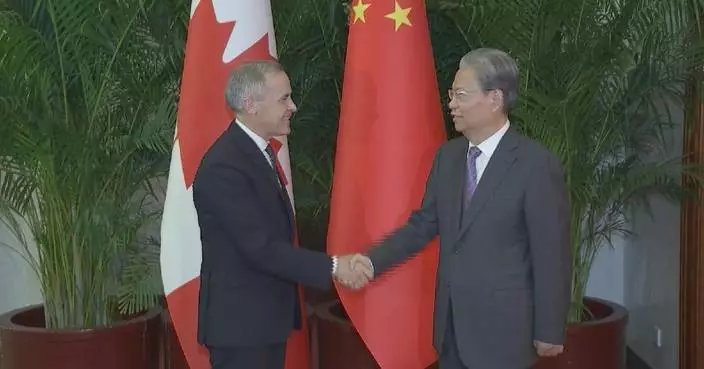
Referring to Canadian Prime Minister Mark Carney's visit to China, the first by a Canadian prime minister in eight years, Wang said the trip marks a milestone in bilateral ties and signals a turning point in the relationship.
The leaders of the two countries will hold meetings and talks, which are expected to open up new prospects for bilateral relations, said Wang.
The world today is undergoing profound and complex changes, and the impact of China-Canada relations transcends the bilateral scope, Wang noted.
Wang said that China and Canada have different social systems, stemming from different historical and cultural heritage, and based on the choices of their respective people.
He urged both sides to view each other in a rational and amicable manner with an inclusive mindset, handle issues on the basis of mutual respect, focus on the agenda of cooperation, and send positive messages so as to foster optimism, inject greater confidence into the development of bilateral relations, and jointly build a new type of strategic partnership between China and Canada.
Anand said the new Canadian government attaches great importance to relations with China. She also added that Prime Minister Carney looks forward to engaging in in-depth exchanges with Chinese leaders during the visit to set the course for the development of bilateral relations, resume dialogue in various fields, pursue more mutually beneficial outcomes, enhance coordination and cooperation in multilateral affairs, and further advance the strategic partnership between the two countries.
China ready to work for steady, sound ties with Canada: FM