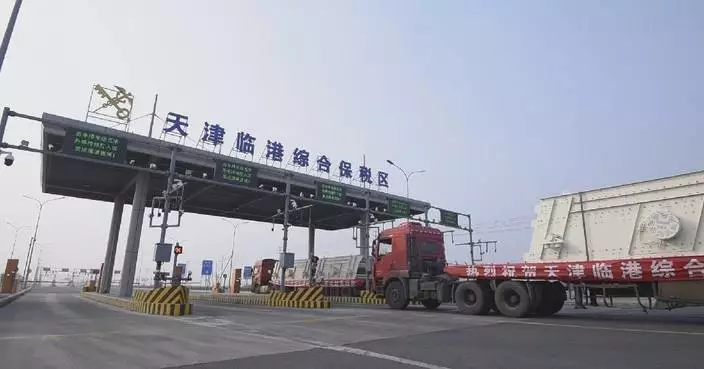
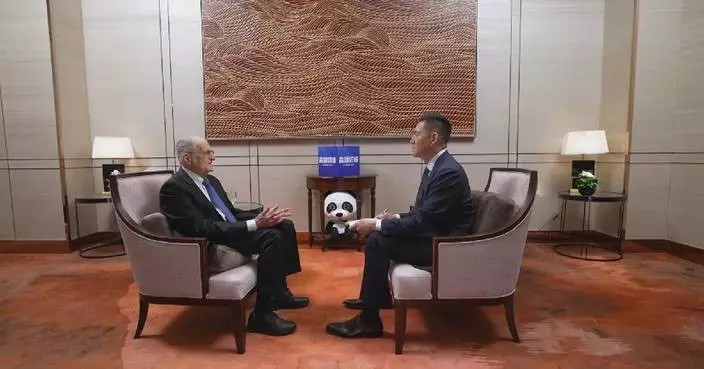
The U.S. unilateralism and protectionism in the shipbuilding sector will only push up global shipping costs and disrupt global industrial and supply chains, Chinese Foreign Ministry spokesman Lin Jian said on Thursday in Beijing.
U.S. President Donald Trump has signed an executive order on Wednesday imposing docking fees on Chinese ships at U.S. ports.
When asked to comment on the U.S.move, Lin said that the United States is shifting blame to China, and it has lost its competitive advantages long ago due to its excessive protection.
"The development of China's shipbuilding industry is driven by companies' technological innovation and active participation in market competition. It has made important contributions to global trade development and the stable and smooth flow of the global supply chain. Multiple U.S. research reports showed that the U.S. shipbuilding industry had lost its competitive edge long ago due to its excessive protection. It lacks factual basis and runs counter to economic common sense for the U.S. to blame its own problems on China," said Lin.
"The unilateral and protectionist bullying practices by the U.S. are unpopular and will only drive up global shipping costs, disrupt the stability of the global industrial and supply chains, and harm the interests of countries worldwide. In the end, these measures will not revive the U.S. shipbuilding industry," he added.
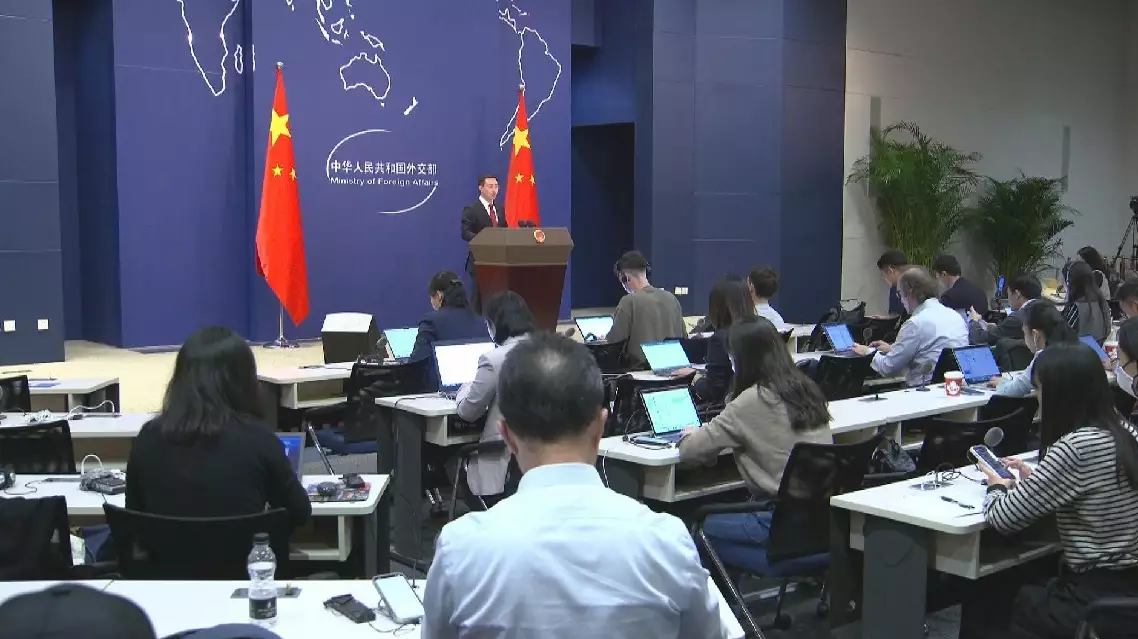
China slams U.S. protectionism in shipbuilding
China slams U.S. protectionism in shipbuilding
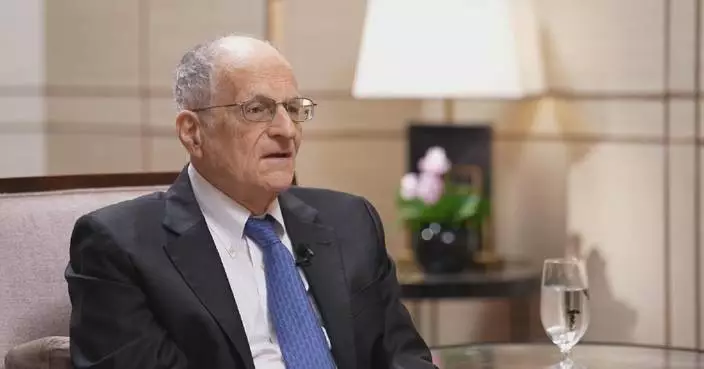
Pakistan's sense of global responsibility and concern over the impact of the ongoing conflict between Iran and the United States and Israel on the world order compel it to mediate between the warring parties, Javed Iqbal, president of the Pakistani National Institute of Maritime Affairs, said on Friday.
Pakistan is a key stakeholder in maritime security in the Strait of Hormuz, and because conflicts in one region can ripple across the world, the country sees mediation as essential to safeguarding its interests and promoting broader regional stability, Iqbal, who is also a senior defense analyst, told the China Global Television Network (CGTN).
"We are a part of not only the global community of nations, but also part of Global South. We are sitting at the mouth of the Strait of Hormuz. We are an important stakeholder in ensuring maritime security in the region, because it's an interconnected world. If there is a threat, it affects everybody. And we have witnessed in the last four weeks that how the oil prices, gas prices have impacted the entire world. The food security crisis is brewing. Prices of the commodities are going up. So Pakistan had to play this role, not only for its own interest, but also in the interest of the global community," he said.
Iqbal also noted that Pakistan is committed to not only ending the conflict, but also addressing its broader consequences, as the Middle East conflict continues to reshape the global order.
"And I think as a responsible nation, we are not only looking at the war termination, but we are also looking at the second order and the third order effects, the post war also, because it's a major, cataclysmic event. I think it will transform the world order. It will reset the global balance of power. It will reset the security order in the Middle East. So it's a very, very important event. And being a critical stakeholder, in the interest of the global security, global peace, and development, Pakistan is playing its due role and acting as a conveyor of the messages between the United States and Iran," he said.
Pakistan has been relaying messages between Iran and the United States, helping bring an end to the conflict. The country will host a quadrilateral meeting of foreign ministers including Türkiye, Egypt and Saudi Arabia on Monday to discuss tensions in the Middle East, according to Pakistan's state media.
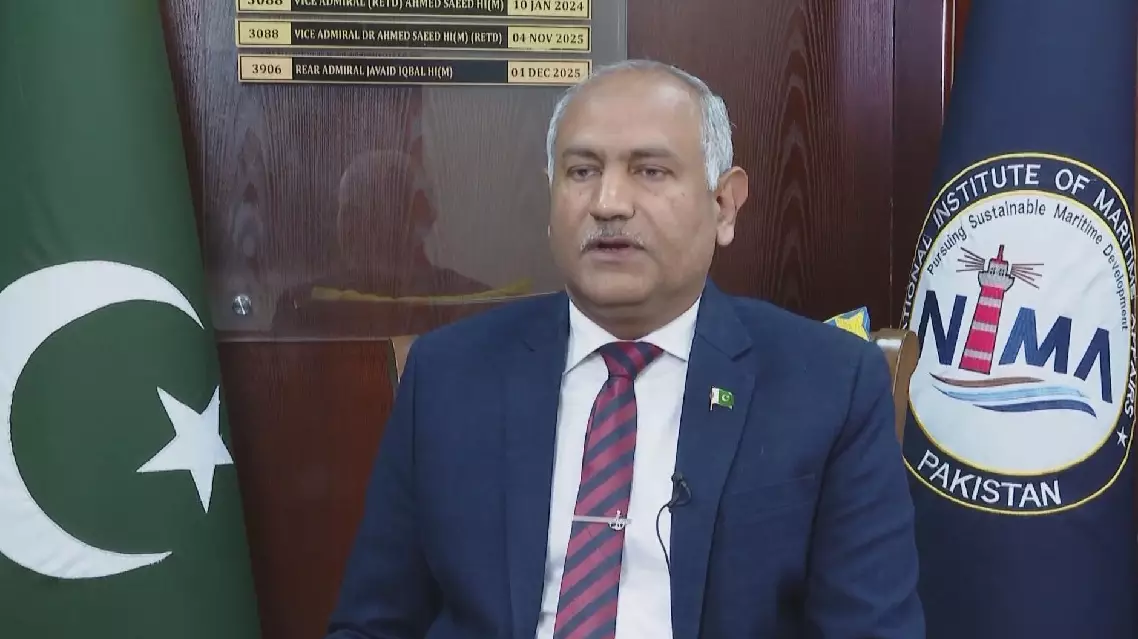
Pakistan affirms responsibility to mediate as Middle East conflict reshapes global order: analyst