A rebound in China's core consumer price index (CPI) and positive changes in the producer price index (PPI) for March indicate an improving trend in the country's consumer market, said an expert.
According to data released by the National Bureau of Statistics on Thursday, the core CPI, which excludes food and energy, reversed its year-on-year decline in February, rising by 0.5 percent in March.
Service prices also shifted from a year-on-year decline in February to a 0.3-percent increase, while the prices of industrial consumer goods, excluding energy, rose by 0.5 percent compared with last year, accelerating from the previous month.
"In terms of food, prices of pork and fruits rose slightly year on year. Non-food items such as clothing, household products and services, education and entertainment, and healthcare also saw price increases to varying extents. Under the influence of policies aimed at boosting consumption, sales of key products such as automobiles and home appliances have been relatively strong, with the price declines narrowing compared with last year," said He Xiaoying, deputy director of the analysis and prediction division at the price monitoring center of the National Development and Reform Commission, China's top economic planner.
Meanwhile, with the rapid development of high-tech industries in China and the implementation of large-scale consumer goods trade-in and equipment renewal policies, the supply-demand structure in some industries has improved, leading to positive price changes.
"In certain key industries, producer prices have risen. For instance, prices for the mining, smelting and calendering of nonferrous metals such as copper and aluminum increased significantly year on year, while prices for the manufacturing of cultural and entertainment goods also rose slightly," said He.
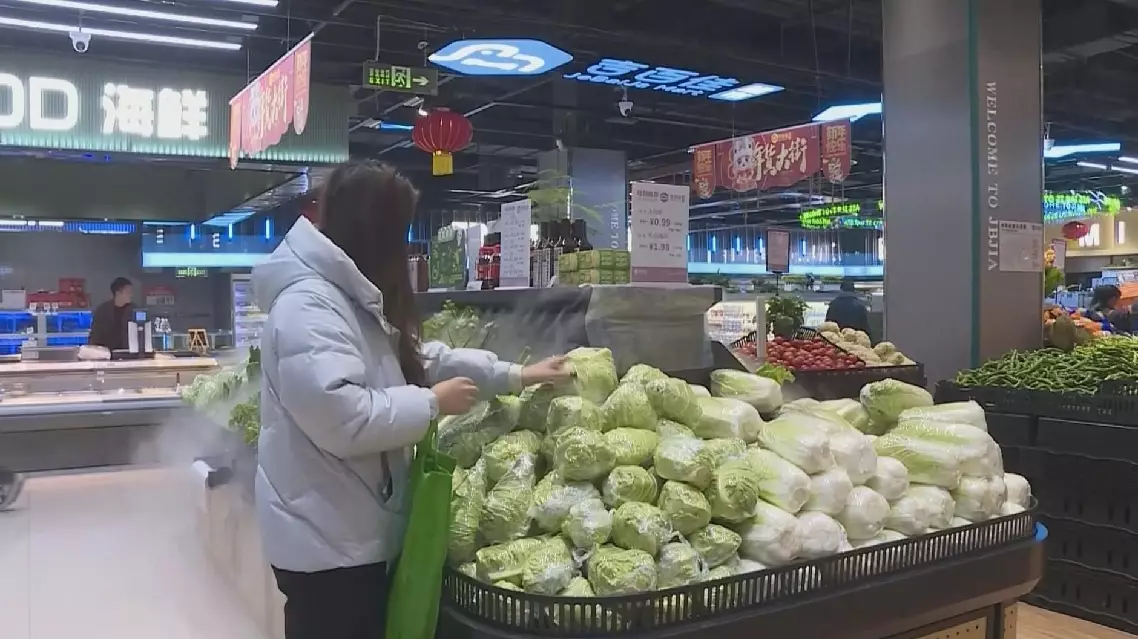
Rebounding core inflation, producer prices in key sectors signal upturn in domestic market: analyst
China's zero-tariff policy is widely seen as a major opportunity for African countries, supporting their efforts to improve livelihoods, advance trade upgrading and promote regional stability, African officials and economic stakeholders said.
On Friday, China officially expanded its zero-tariff policy to cover all 53 African nations with which it maintains diplomatic relations. The move aims to create new pathways for African exports and industrialization at a time when global trade faces mounting pressures from protectionism.
The policy builds upon earlier measures: since Dec 1, 2024, China has already eliminated tariffs on 100 percent of tariff lines for 33 least developed countries in Africa. The latest expansion now includes economies that are relatively more developed, such as Kenya, Egypt and Nigeria, opening doors for a broader range of African products to enter the Chinese market duty-free.
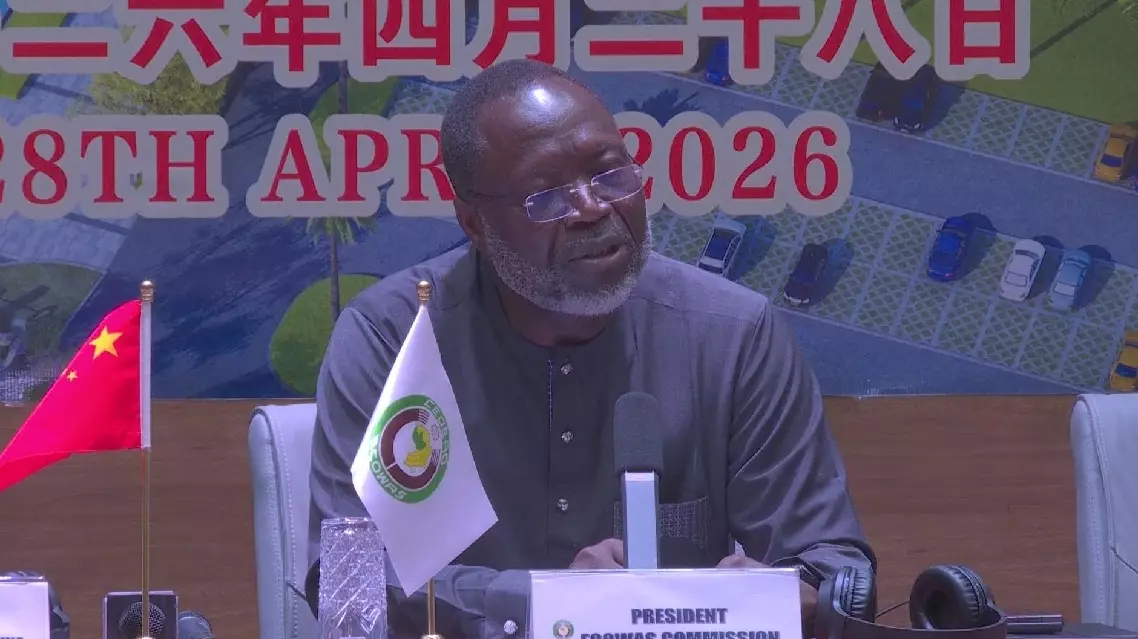
Omar Toure, president of the Economic Community of West African States (Ecowas) Commission, noted that economic growth and poverty reduction can contribute to greater stability and peace in the region.
"For us, this is a major opportunity for our countries because China is a massive market and having access to such a massive market for our produce and products is a major opportunity that we must all seize. It will have impact on overall development of our countries through enhanced productivity because as you know, poverty is a key driver of insecurity in our region. The zero tariff policy is likely to advance our development, to support our development, as well as help us entrench peace and security in our region and on the continent," he said.
Beyond expanding market access, the initiative is expected to strengthen Africa's industrialization and help upgrade regional industries, spurring ambitions to pursue global economic involvement.
"It will enhance trading relations between China and the rest of its partners. I think to a large extent, also within Africa itself, it's going to act as a great catalyst for improving trade, for enhancing the economic relations and also for industrialization," said Bianca Ojukwu, Minister of State for Foreign Affairs of Nigeria.
"China is a very big market, and if you supply to China, it means you will enhance the value of trade or the volume of your exports. And that in itself is monumental. In the sense that, apart from just the value of the export, you get more and more people getting higher incomes and also being able to upgrade their production facilities. So it's really going to benefit Africa in a way that Africa can also begin to participate in a global trade," said David Chewe, Fund Manager of Zambia Export Development Fund.
China‘s zero-tariff policy on Africa applauded as catalyst for boosting bilateral trade, peace