Pilot Scheme on Wading Line System to cope with flooding at low-lying road sections (with photos/video)
In view of the increased chance of flooding at low-lying road sections caused by heavy rain under extreme weather, the Government will launch the Pilot Scheme on Wading Line System at five low-lying road sections with higher risk to monitor the flooding situation in real time, to facilitate effective mobilisation and collaboration of relevant government departments to tackle flooding as early as possible, and alert drivers of flooding on the road ahead, thereby reducing the possibility of vehicles stalling due to damage by flooding.
A Government spokesman said today (April 11) that the five pilot road sections are located at Chai Wan Road, Lung Cheung Road, Tsui Ping Road, Chatham Road North, and Nam Wan Road in Tai Po Market. During the severe rainstorms in September 2023, these locations experienced more serious flooding, causing damage to vehicles and rendering them inoperable.
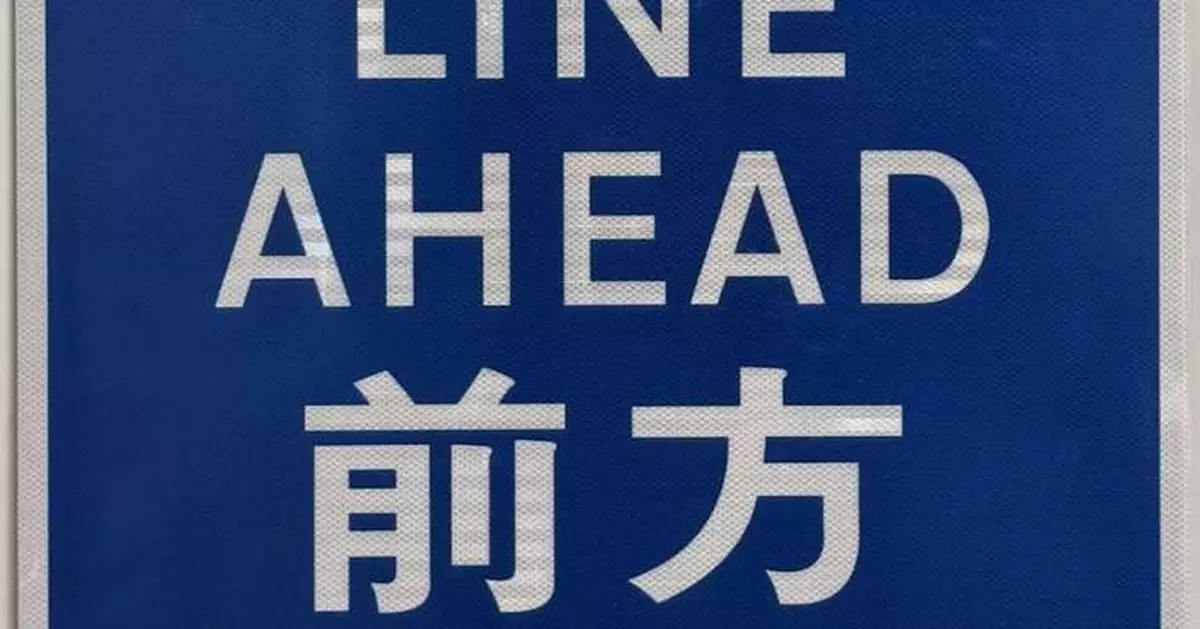
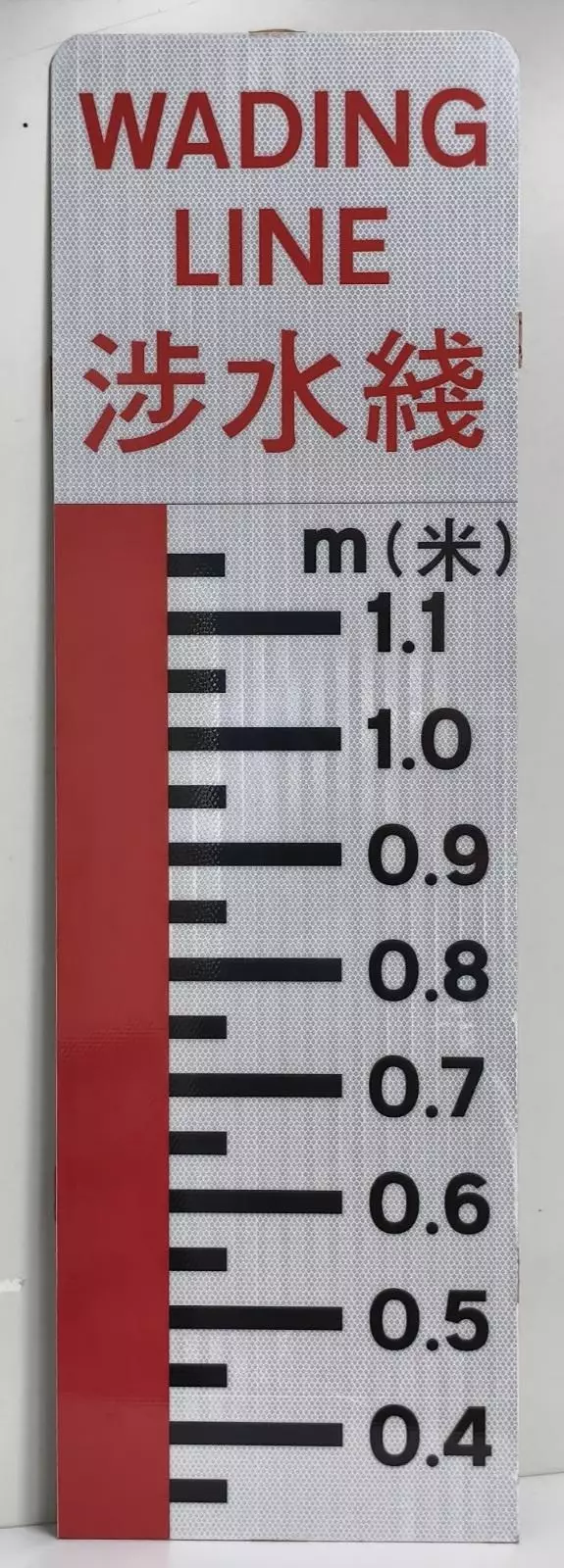
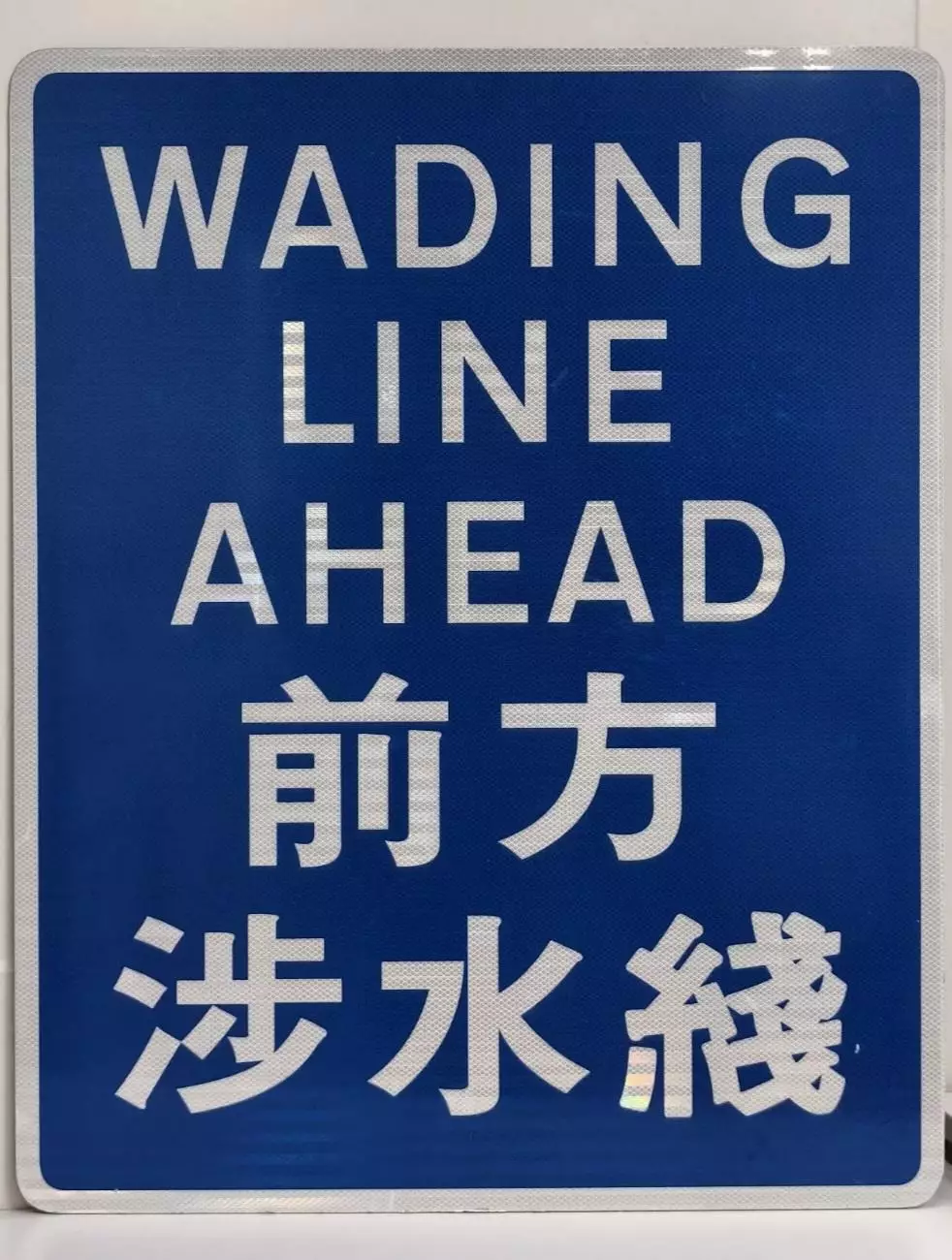
Warning signs of the system will be placed at low-lying road sections, including a red wavy line and the words "Wading Line" painted on the road surface, with a water meter gauge placed next to it and a sign erected next to the carriageway. When the water level has reached or submerged the wading line, it indicates that the depth of the water at the lowest point of the road ahead has reached 0.3 metre or above.
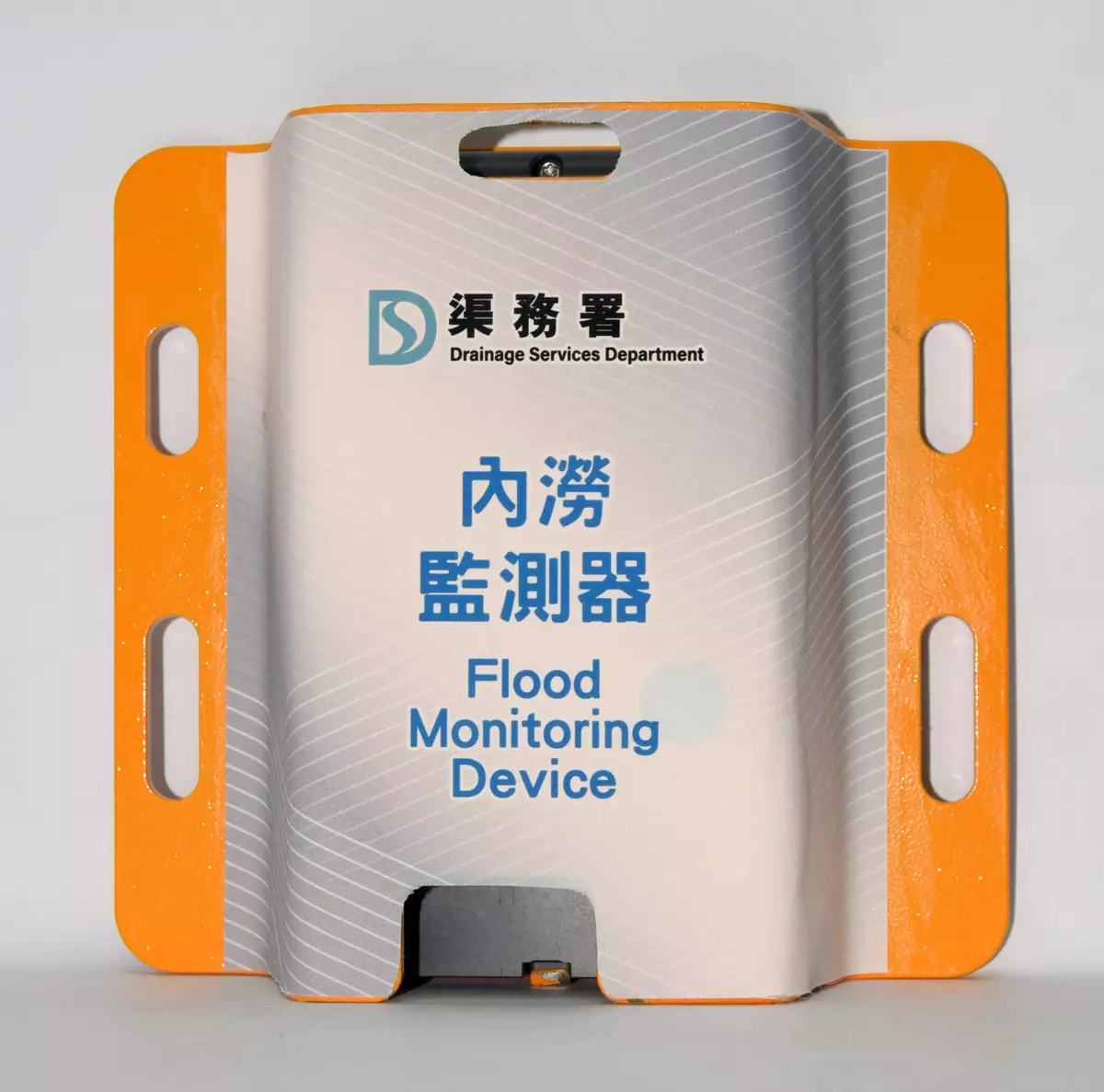
In addition, the Drainage Services Department (DSD) will install water level sensors called Flood Monitoring Devices at the lowest point of the road sections to collect real-time water level data. When the devices detect that the water level on the road has reached the warning level, the monitoring system will immediately alert relevant government departments. The DSD and the Highways Department (HyD) will promptly deploy emergency response teams to inspect and clear blocked drains to reduce the risk of flooding. When the depth of the water has reached 0.3 metre, there will be temporary traffic guidance on-site to prevent vehicles from entering the flooded road sections. The Transport Department will disseminate information on traffic arrangements accordingly and the Police will assist at scene as necessary.
If vehicles have entered low-lying road sections before temporary traffic guidance is in place, drivers should stop their vehicles before reaching the wading line and avoid entering the flooded area. They should turn on hazard warning lights and follow the on-site directions to leave the temporarily closed road sections.
The Government will monitor the implementation of the pilot scheme, review its effectiveness in due course and optimise it as necessary.
To facilitate the progressive installation of warning signs of the system at the pilot road sections by the HyD, which will begin in late April, temporary traffic arrangements will be implemented in phases at the relevant road sections. The installation is expected to be completed in mid-May.
Pilot Scheme on Wading Line System to cope with flooding at low-lying road sections (with photos/video) Source: HKSAR Government Press Releases
Pilot Scheme on Wading Line System to cope with flooding at low-lying road sections (with photos/video) Source: HKSAR Government Press Releases
Pilot Scheme on Wading Line System to cope with flooding at low-lying road sections (with photos/video) Source: HKSAR Government Press Releases
LD works with FEHD to promote prevention of heat stroke at work and prior work arrangements in times of adverse weather and extreme conditions
The Labour Department (LD), together with representatives from the Food and Environmental Hygiene Department (FEHD), visited a public refuse collection point in Shau Kei Wan today (June 4) to distribute cooling products to frontline cleansing workers and promote the Guidance Notes on Prevention of Heat Stroke at Work (GN) and the preventive measures in times of the Heat Stress at Work Warning to enhance their awareness of heat stroke prevention. They also called on employers and employees to make work arrangements in advance for adverse weather and extreme conditions.
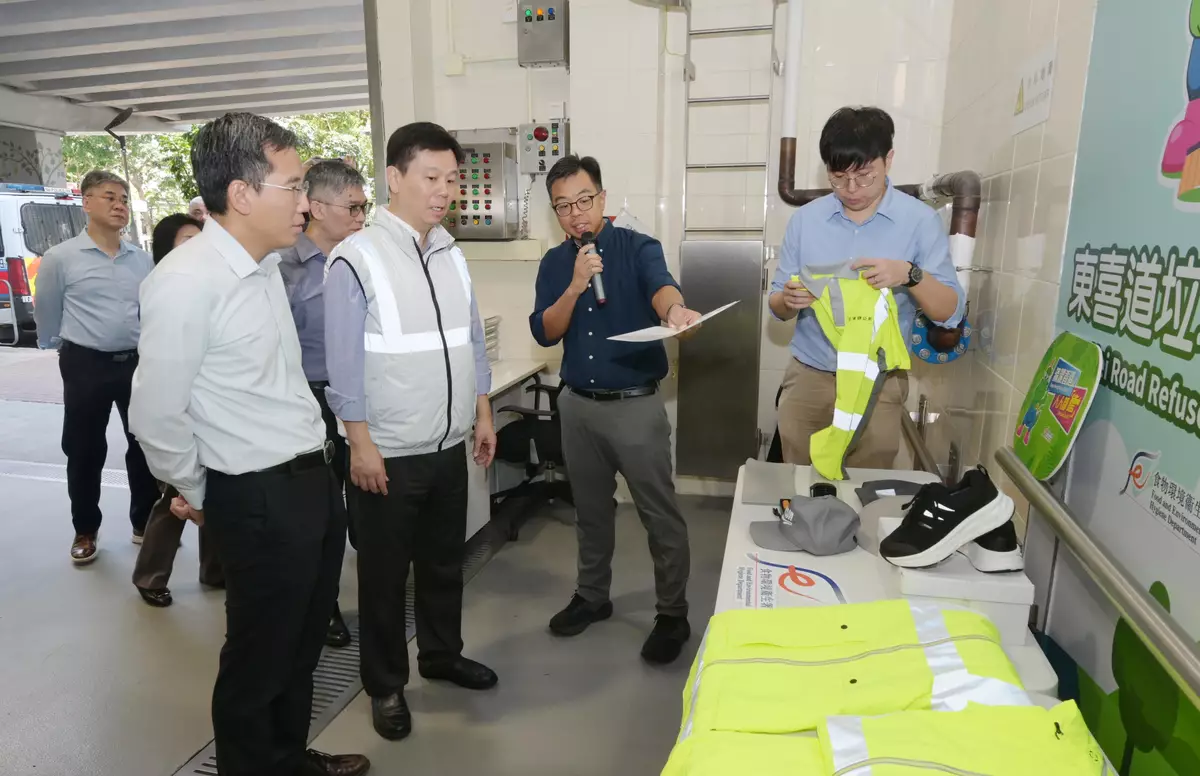
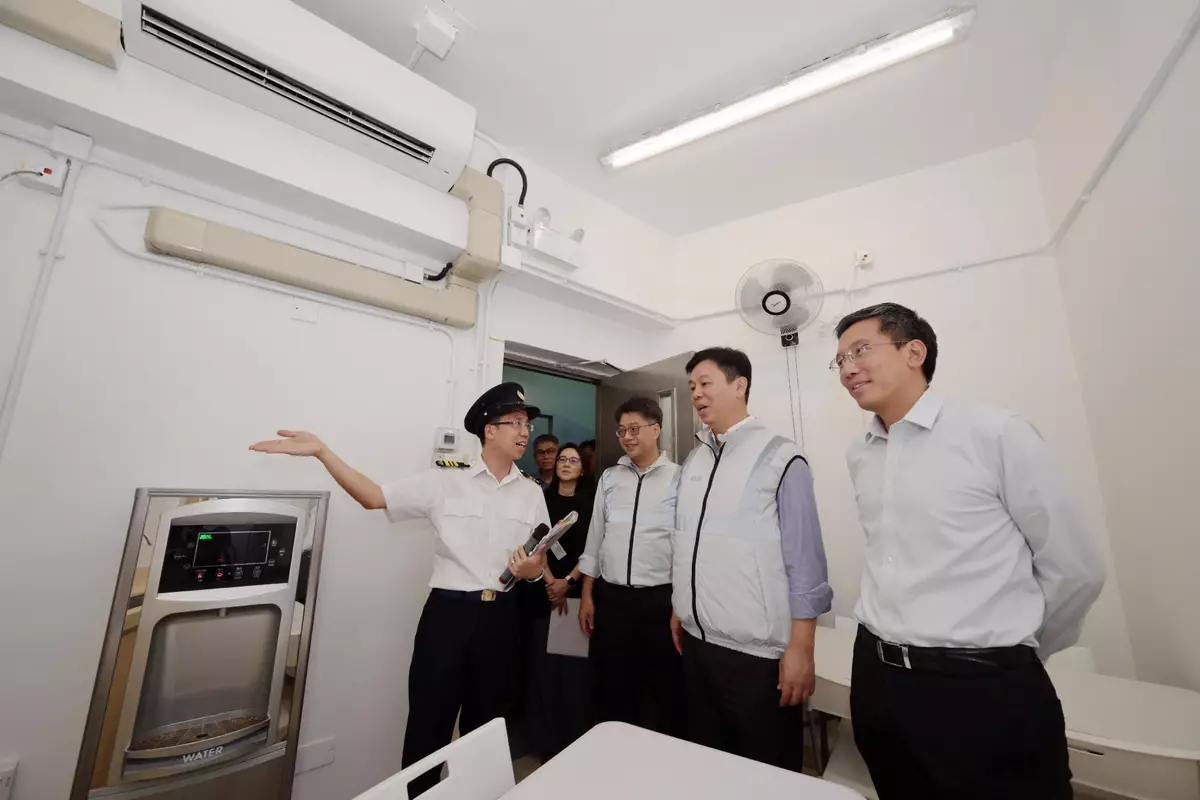
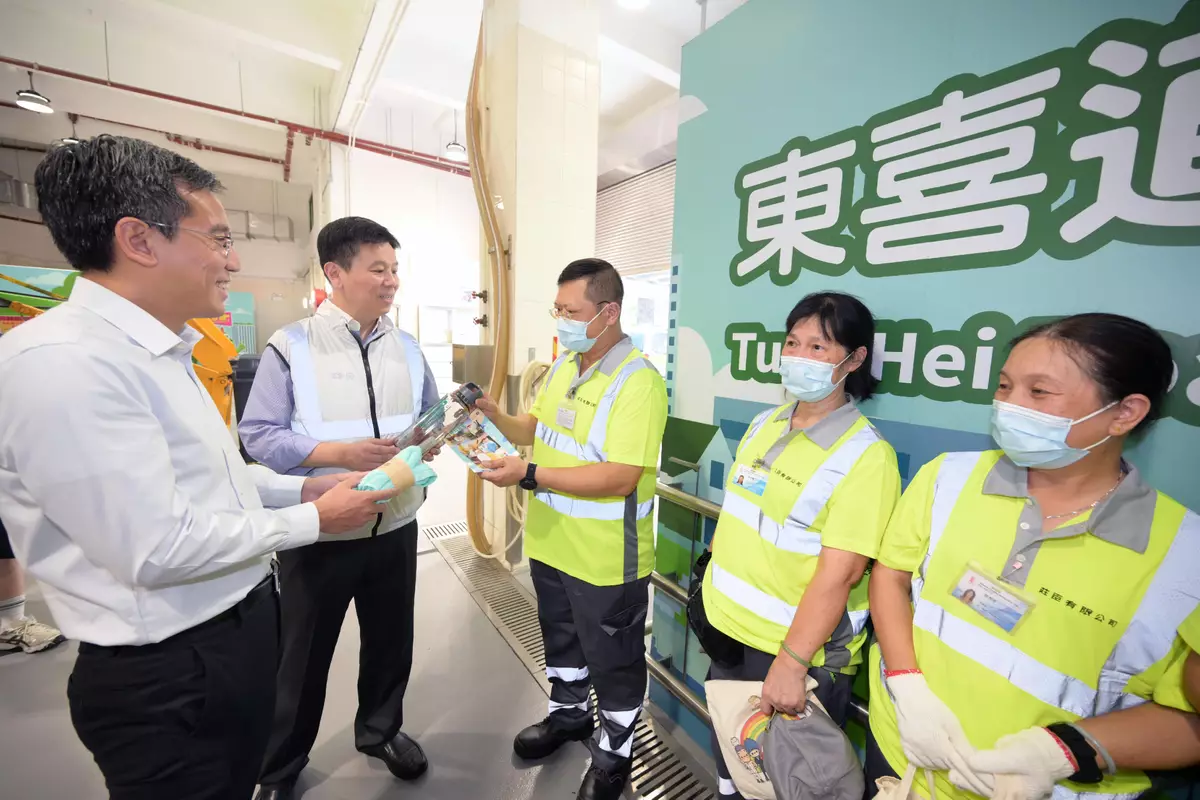
The Deputy Commissioner for Labour (Occupational Safety and Health), Mr Vincent Fung, together with the Deputy Director of Food and Environmental Hygiene (Environmental Hygiene), Mr Arsene Yiu, presented cooling products to the frontline cleansing workers and reminded them to take appropriate precautions to prevent heat stroke during the high temperatures of summer. Mr Fung and Mr Yiu also inspected various welfare and heat stroke prevention facilities set up at the refuse collection point for frontline workers. The refuse collection point, which completed refurbishment works last year, is equipped with changing and personal storage spaces, as well as facilities for short breaks and meals, and provides equipment such as an air-conditioning system, hot and cold drinking water dispensers, microwave ovens, refrigerators, and electric fans to provide a suitable resting environment for frontline staff. In addition, Mr Fung and Mr Yiu also gained a deep understanding of the various protective equipment provided to frontline cleansing workers, including new work uniforms with better sweat-wicking, breathability and reflective functions, portable waist-mounted fans, sun hats, new rain coats with thermoregulation functions and new work shoes with ergonomic design and good breathability to further enhance work safety.
"Frontline cleansing workers face a higher risk of heat stress during summer. The LD has been maintaining close collaboration with various departments and the cleansing industry, striving to assist the industry in referencing and adopting the recommendations in the GN flexibly. We urge supervisors to establish clear work and rest arrangements at workplaces, to take heed of the levels of the Heat Stress at Work Warning issued by the LD and to provide adequate cooling equipment based on the outdoor environment to safeguard the health and safety of our workers," Mr Fung said.
Mr Fung added that workers should also pay attention to their physical conditions. Whenever there are any symptoms of heat-related illnesses, such as a headache, dizziness, thirst, and nausea, they should rest and drink water in a cool and shaded place, and inform employers or supervisors to take appropriate action immediately.
Apart from strengthening employers' and employees' knowledge of heat stroke prevention through promotion and publicity as well as education and training every summer, the LD will also step up its inspection of workplaces with higher risks of heat stroke, including construction sites, worksites of outdoor cleansing workers, gardening workers, and security guards. The LD urges relevant responsible duty holders to refer to the GN, assess the risk of heat stress on their employees during work, and take corresponding preventive measures based on the assessment results.
In addition, Mr Fung appealed to the employers and employees to make prior work arrangements in times of adverse weather and extreme conditions by taking reference to the "Code of Practice in Times of Adverse Weather and 'Extreme Conditions'" (CoP) issued by the LD.
For detailed information of the GN and other heatstroke prevention measures, employers and employees can visit the dedicated webpage launched by the LD at www.labour.gov.hk/eng/news/prevention_of_heat_stroke_at_work.htm or the Occupational Safety and Health Council at www.noheatstress.hk. The LD's latest revised CoP can be downloaded from the department's webpage www.labour.gov.hk/eng/public/wcp/Rainstorm.pdf.
LD works with FEHD to promote prevention of heat stroke at work and prior work arrangements in times of adverse weather and extreme conditions Source: HKSAR Government Press Releases
LD works with FEHD to promote prevention of heat stroke at work and prior work arrangements in times of adverse weather and extreme conditions Source: HKSAR Government Press Releases
LD works with FEHD to promote prevention of heat stroke at work and prior work arrangements in times of adverse weather and extreme conditions Source: HKSAR Government Press Releases