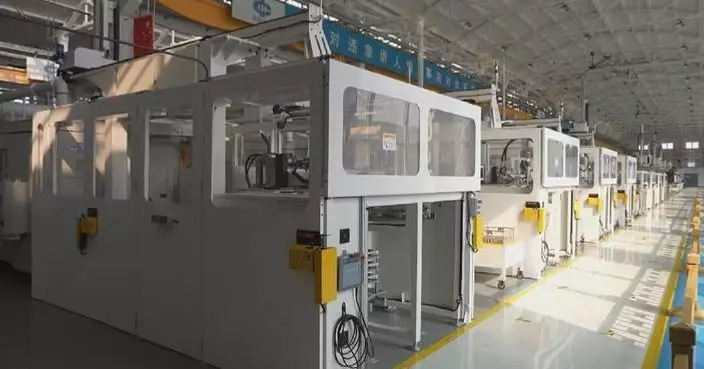
China on Thursday announced the completion of its first computing power network covering the convergence of “general computing, intelligent computing, supercomputing and quantum computing" in Suzhou City, east China's Jiangsu Province.
So far, this network has interconnected 21 intelligent computing centers, three national-level supercomputing centers, and three quantum computing centers.
The core of the computing power network is to utilize powerful network capabilities to aggregate and connect computing resources dispersed across various locations, and then dynamically schedule them in real-time according to demand, in order to achieve the optimal solution in terms of cost and efficiency. "[We] schedule different tasks to suitable computing resources to maximize overall effectiveness. The schedulable computing power accounts for one-sixth of the national computing power. For instance, the requirements of scientific computing like genetic sequencing will be allocated to various supercomputing centers across the country. In the future, it will be like creating a supercomputer by integrating computing power distributed in different locations," said Sun Shaoling, deputy director of China Mobile's Cloud Capability Center.
At China Mobile Cloud AI Conference 2025, Xia Bing, deputy head of the National Data Administration, highlighted the promotion of artificial intelligence and industrial innovation across society through intelligent scheduling of computing power tailored for key groups like small and medium-sized enterprises.
"By exploring and implementing intelligent scheduling integrated with the computing power and network, [we] provide optimal solutions for key groups, especially small and medium-sized enterprises, in terms of computing power, operation capacity, and storage capacity, thereby promoting the application of artificial intelligence and the development of industrial innovation of the whole society," said Xia.
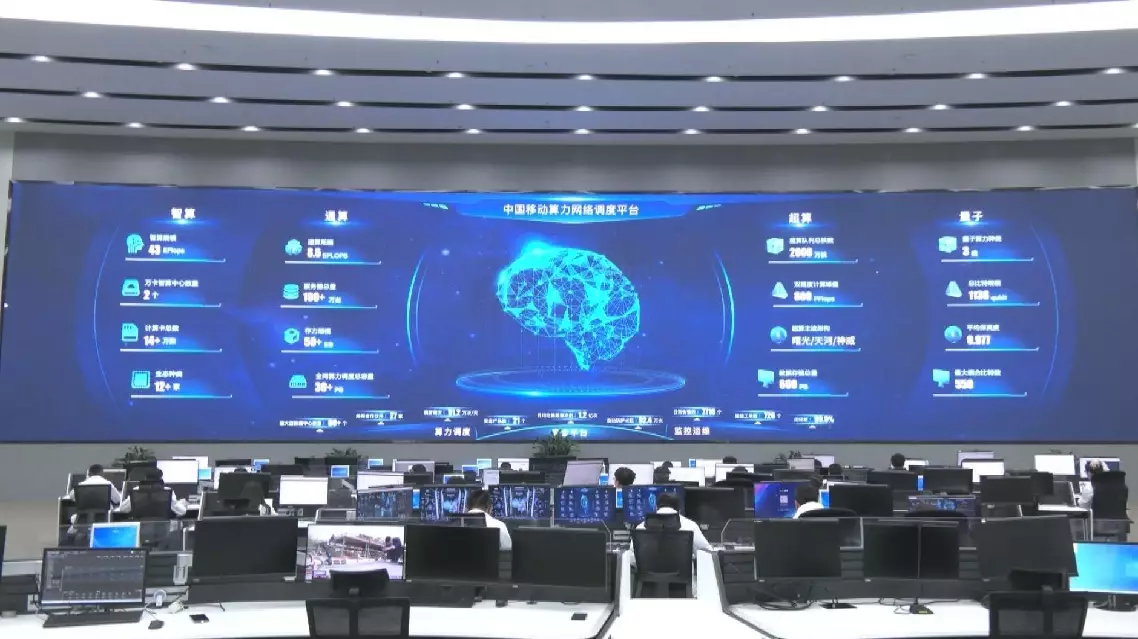
China builds its first computing power network covering four calculation methods
Axis powers during World War II should offer sincere reflection and apology, a Greek mayor said after Greece successfully repatriated a rare collection of 262 World War II-era photographs.
Greek officials traveled to Belgium to negotiate with the seller and brought the photographs back to Greece, after they were put up for sale online by a Belgian collector, said the Greek Culture Ministry.
The images were taken by Wehrmacht lieutenant Hermann Heuer, who served in Greece from 1943 to 1944, during World War II, and part of the collection documents the mass execution of Greek communists by Nazi troops in Kaisariani, east of Athens.
During World War II, German occupation in Greece met with fierce resistance. On May 1, 1944, German forces executed 200 Greeks at the Kaisariani firing range in retaliation for the killing of a German general by resistance fighters.
A memorial and a museum were set up after the war in Kaisariani to commemorate those who died in the mass execution.
"The photos really shocked us all because they were real documents from the day of the execution. We are shocked for many reasons. An important reason is that the 200 communists were singing with their heads held high before the execution in the photos, and they were not mourning because they were fighters," said Ilias Stamelos, mayor of Kaisariani.
The newly recovered photographs have drawn renewed attention to the historical trauma still felt in the community, as the images provide a direct visual record of the final moments of those executed.
In 1987, then German President Richard von Weizsaecker visited Greece and made a special stop in Kaisariani, reflecting on the profound suffering inflicted on the Greek people by Germany during World War II.
Ilias said that, like Germany, Japan, another Axis power during the war, should also be held accountable for the massive harm it caused to multiple countries and should offer sincere reflection and apology for its wartime aggression.
"And I think it's a common demand, because those responsible for the deaths in the World War II need to pay for what happened. It's known to all that back then it was Germany, Japan and Italy, the allies in this war, that each played different roles in the war, yet they do have common responsibilities," said the mayor.
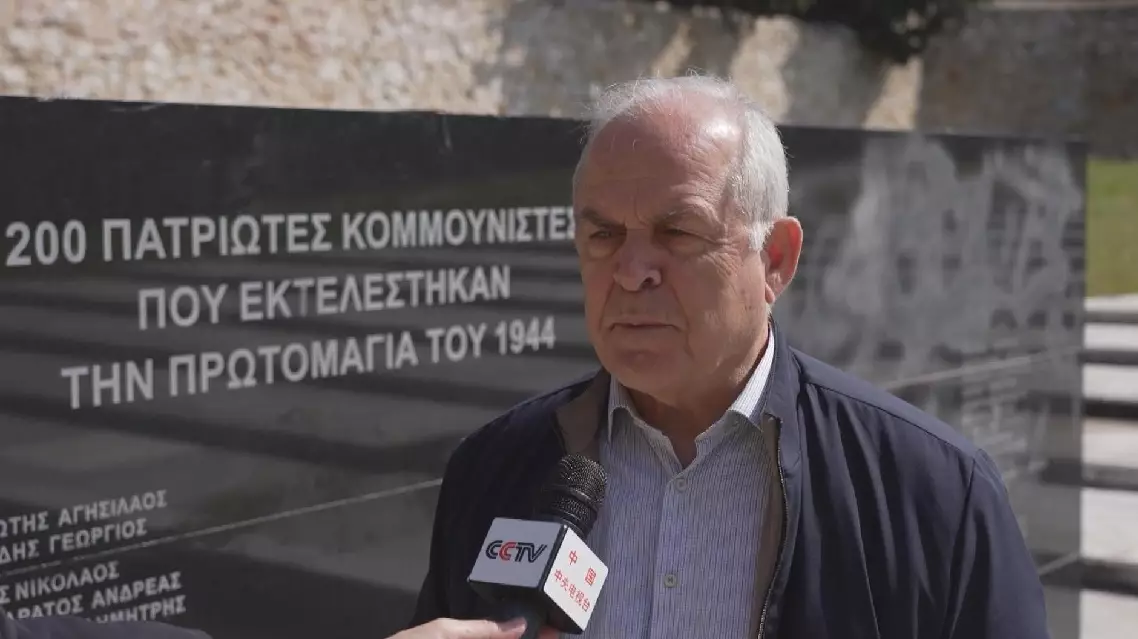
Historic photos of Nazi mass execution of Greeks returned to Greece, mayor calls for historical accountability