China has issued a guideline policy on upgrading the country's pilot Free Trade Zones (FTZs).
Released by the Communist Party of China (CPC) Central Committee and the State Council, the guideline emphasizes achieving comprehensive improvement in the pilot FTZs' institutional opening-up level, systematic reform outcomes, and open economy quality within five years of exploration and development.
The guideline proposes to enhance the comprehensive competitiveness of China's foreign trade, optimize and upgrade trade in goods, boost the development of trade in service, and support the innovative development of digital trade. It also proposes to liberalize and facilitate investment, raise the level of market access, and foster a world-class business environment that is market-oriented, law-based, and internationalized.
It calls for the establishment of a high-level innovation ecosystem, promote the integration of innovation chains and industrial chains, and expand international scientific and technological exchanges and cooperation.
The guideline emphasizes the need for efficient, convenient and safe cross-border data flows, establishing rules for data markets, and enhancing the facilitation level of cross-border data flows.
It notes that all regions should intensify their reform efforts and implement the strategy based on local conditions.
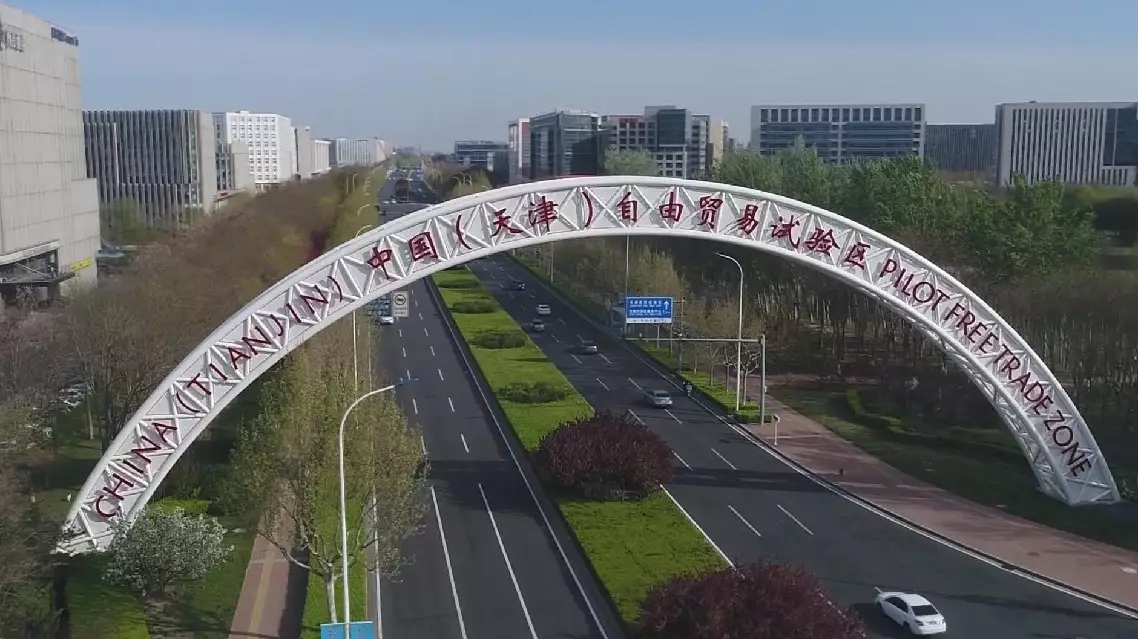
China rolls out guideline on upgrading pilot free trade zones
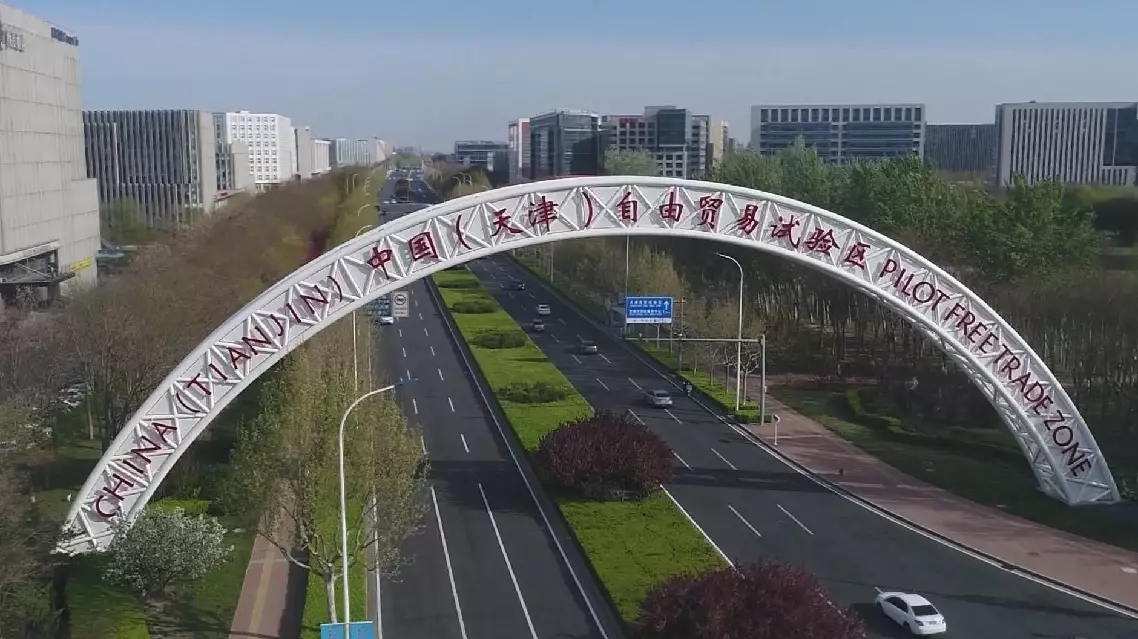
China issues guidelines on implementing strategy for upgrading pilot FTZs
International figures have strongly criticized recent statements made by Japanese Prime Minister Sanae Takaichi, calling them a blatant violation of international law and an unacceptable interference in China's internal affairs.
At a Diet meeting on Nov 7, Takaichi claimed that the Chinese mainland's "use of force on Taiwan" could constitute a "survival-threatening situation" for Japan and implied the possibility of armed intervention in the Taiwan Strait.
The remarks, which challenge China's sovereignty, have drawn sharp rebuke from observers across the globe, who warn such actions threaten regional stability.
Ruben Guzzetti, director of the Argentine Institute of Geopolitical Studies, said that "a substantial body of prior documentation establishes that Takaichi's statements constitute undue interference in China's internal affairs and a violation of its sovereignty. This is now clear, and it represents a very significant threat to international peace."
Echoing this sentiment, David Monyae, director of the Center for Africa-China Studies at the University of Johannesburg, South Africa, contextualized the issue within historical memory.
"Given the history, the fascism and the damage that Japan caused, not just in China but the whole of Asia and the world during the Second World War, with all those atrocities, what we want is that Japan starts to recognize and starts stating clearly all the atrocities that it caused and to show a sign that it is reversing and it is not going to do what it did in the past. I think for Japan to bring back an imperialistic colonial mentality, it's something that is unacceptable," he said firmly.
The criticism also came from political figures. Tshilidzi Bethuel Munyai, a member of the National Assembly of South Africa, condemned the Japanese leader's statements as "reckless, absurd, and an act of transgression, blatantly undermining the deployed diplomatic achievements between the two countries."
"It erodes the foundation of political trust between China and Japan. It signals very reckless right-wing forces within Japan and the broader international community. By the way, China has firm resolve to safeguard the national sovereignty and as well as territorial integrity," said Munyai.
Amidst this international backlash, experts assert that China's demand for a retraction of Takaichi's remarks is fully justified. The consensus among critics is clear: such provocations undermine the foundations of international law and bilateral relations, and must be withdrawn to prevent further escalation.
Int'l voices condemn Japanese PM's remarks as unacceptable violation of China's sovereignty