International Reserves and Foreign Currency Liquidity
The following is issued on behalf of the Hong Kong Monetary Authority:
The Hong Kong Monetary Authority (HKMA) released today (April 30) the analytical data on the Hong Kong Special Administrative Region's foreign currency reserves and foreign currency liquidity as at the end of March2025 (Annex). These data are published monthly in the Template on International Reserves and Foreign Currency Liquidity in accordance with the International Monetary Fund's Special Data Dissemination Standard (SDDS).
****************************************************************
At present, four press releases relating to the Exchange Fund's data are issued by the HKMA each month. Three of these releases are issued to disseminate monetary data in accordance with the International Monetary Fund's SDDS. The fourth press release, on the Exchange Fund's Abridged Balance Sheet and Currency Board Account, is made in accordance with the HKMA's policy of maintaining a high level of transparency. For the month of April 2025, the scheduled dates for issuing the press releases are as follows:
April 7
(Issued) |
SDDS International Reserves
(Hong Kong's Latest Foreign Currency Reserve Assets Figures) |
April 14
(Issued) |
SDDS Analytical Accounts of the Central Bank
(Analytical Accounts of the Exchange Fund) |
April 30 |
SDDS Template on International Reserves and
Foreign Currency Liquidity |
April 30 |
Exchange Fund Abridged Balance Sheet and
Currency Board Account |
Pest Control Steering Committee reviews follow-up work at Tsing Yi Nature Trails in preventing chikungunya fever and discusses next year's work plan in mosquito and rodent control (with photos/video)
The interdepartmental Pest Control Steering Committee (PCSC) held its 22nd meeting today (December 22) to review in details the follow-up work in preventing chikungunya fever (CF) at Tsing Yi Nature Trails (the Trails) by departments and stakeholders. It also discussed the 2026 work plans in mosquito and rodent control, to assist departments in formulating corresponding prevention and control measures in areas under their purview in the coming year.
Prevention and control of CF
The PCSC, the Centre for Health Protection (CHP) of the Department of Health (DH), the Food and Environmental Hygiene Department (FEHD), various departments and relevant stakeholders have been conducting comprehensive territory-wide vector surveillance and mosquito control work for dengue fever and CF to reduce the risk of transmission of these mosquito-borne diseases. Upon receiving notification from the CHP of cases involving related mosquito-borne disease, the FEHD will take immediate follow-up actions including:
Initiating surveys of mosquito infestation within 24 hours in areas within a 250-metre radius of the residence and workplace of the patient, as well as places the patient had visited during the incubation and infectious period. Relevant Government departments will be notified of the results for follow-up actions;
Implementing larvicidal control measures in the target area and conducting fogging operations in nearby adult mosquito habitats to eliminate adult mosquitoes;
Providing professional advice and technical support to assist relevant departments and stakeholders in formulating and implementing effective mosquito control measures swiftly;
Inspecting construction sites and private residences, and taking enforcement actions against violations related to mosquito breeding;
Visiting schools and childcare facilities in the target area to provide information and assistance regarding mosquito prevention and elimination; and
Enhancing publicity work through organising health talks, setting up mobile education stations and distributing publicity leaflets.
Specifically targeting confirmed cases who visited the Trails or the surrounding area, the FEHD has promptly allocated resources to carry out targeted actions in the area upon receiving notifications on November 13 of the first case involving a patient who had visited the Trails and reported mosquito bites. The FEHD has continuously applied a combination of methods to eliminate vector mosquitoes. In addition to ultra-low volume knapsack sprayers to eliminate adult mosquitoes, large ultra-low volume foggers have been deployed at suitable locations, and a robot dog has been put on trial to enhance operational effectiveness. The FEHD has been collaborating with related departments (including the Kwai Tsing District Office, the District Lands Office of Tsuen Wan and Kwai Tsing, the Civil Engineering and Development Department (CEDD) and the Drainage Services Department (DSD)) and stakeholders in eliminating mosquito breeding grounds and potential sites with mosquito problems. Efforts include clearing discarded containers and garbage that could cause stagnant water and applying larvicide oil or larvicides in areas with stagnant water that cannot be removed immediately. The FEHD has also started a trial to use drones in identifying mosquito breeding grounds and set up new mosquito trapping devices to control and reduce vector density. At the same time, the FEHD has conducted inspections in the area, initiating prosecution and issuing statutory notices requiring the elimination of stagnant water to responsible persons at construction sites and residential premises found with mosquito breeding or water accumulation. The FEHD has also distributed pamphlets to residents of nearby housing estates, urging the public to remain vigilant against mosquito infestations and take personal protective measures to prevent mosquito bites.
The Kwai Tsing District Office, the District Lands Office of Tsuen Wan and Kwai Tsing, the CEDD and the DSD have respectively strengthened efforts in areas under their purview along the Trails in eliminating potential mosquito breeding grounds.
In addition, following liaison by the Government, a land owner has removed unauthorised structures placed by a third party on his private land, in order to prevent the spreading of CF.
At present, the FEHD has installed temporary mosquito traps at the Trails to monitor the effectiveness of the measures and the mosquito situation. The FEHD is reviewing the coverage of the survey area of gravidtrap for Aedes albopictus in the Tsing Yi North, and will in due course include the Trails within the survey area.
The FEHD will continue to actively explore the use of drones and stairlifts to assist in fogging operations for eliminating adult mosquitoes. If the relevant technologies (including robotic dogs, drones and stairlifts) are proven effective in enhancing operational efficiency, the department will consider extending their application to other densely vegetated areas as appropriate.
Mosquito control
The representative of the FEHD reported to the PCSC the situation of mosquito proliferation in 2025. Mosquito infestation in 2025 was generally under control, and the overall trend of the gravidtrap index for Aedes albopictus is similar to that in the previous years. A relatively high index was recorded from May to July 2025. In May 2025, six investigation areas recorded indices exceeding the alert level of 20 per cent (i.e. level 3 or above), a decrease compared to 10 areas in May 2024. In June 2025, only two areas recorded indices reaching the alert level, a significant decrease from eight areas in June 2024. In July 2025, only one area recorded an index reaching the alert level.
Entering 2026, it is expected that the gravidtrap index will begin to rise along with warmer weather and the rainy season like previous years. The FEHD and relevant departments will step up mosquito prevention and control work. Other than continue eliminating mosquito breeding grounds, larvicides will be applied and fogging operations will be carried out to eliminate adult mosquitoes. New mosquito trapping devices will be also placed at suitable locations. The FEHD will also continue to conduct on-site inspections with relevant departments, and provide them with professional advice and technical guidance. Various departments will closely monitor the situation regarding mosquito-borne diseases and the results of surveillance indices, constantly updating the list of mosquito infestation blackspots to adjust and plan their work in accordance with the actual situation, to ensure that mosquito prevention and control work is prompt and effective.
The Under Secretary for Environment and Ecology and the Chairperson of the PCSC, Miss Diane Wong, specifically reminded various departments to be well-prepared and take proactive mosquito control actions, including the early elimination of potential mosquito breeding grounds before the rainy season, as well as the conduction of fogging operations in a timely and concerted manner until the rainy season ends in order to mitigate risks.
Rodent control
The FEHD reported to the PCSC a series of targeted rodent prevention and control measures under the Cross-sectoral Territory-wide Anti-rodent Action, including continuous overnight anti-rodent operations and the effective use of appropriate anti-rodent technologies and tools. Regarding live rodents, the FEHD has collected approximately 115 100 live rodents between January and November 2025, representing an increase of around 45 per cent from approximately 79 400 rodents in the same period in 2024. When both live and dead rodents are counted, the FEHD has collected a total of approximately 140 800 rodents between January and November 2025, marking an increase of around 28 per cent from approximately 110 100 rodents in the same period in 2024.
In the meeting, the FEHD introduced the utilisation of the Rodent Absence Rate data to assist in formulating targeted measures to further enhance the effectiveness of rodent prevention and control. In addition, the FEHD has also continued to carry out strategic rodent control actions at 93 major rodent blackspots, and reallocate resources to comprehensively and continuously mitigate rodent infestation in the relevant blackspots. It is estimated that the target of reducing the number of blackspots by 60 per cent can be achieved by the end of 2025.
The FEHD also reported to the PCSC the implementation of the Anti-rodent Charter after its launch on December 31, 2024. As of December 15, 2025, a total of 684 residential premises have signed the Charter, covering approximately 650 000 households. Two premises, with over 40 households, that signed the Charter are participants of the Pilot Scheme on "Joint Property Management". Other participants joining the Pilot Scheme will be gradually invited to sign the Charter when they are ready.
At the meeting, the FEHD also reported the latest situation regarding the rodent infestation at Dock Street, Hung Hom, and the ongoing rodent prevention and control work. Since the end of November, a total of 31 live and dead rodents have been captured or collected at the site. Meanwhile, the Kowloon City District Office has removed the flower pots found to be infested with rodents, to eliminate their hiding places. In addition, the FEHD has stepped up street cleansing services in the vicinity and installed Internet Protocol cameras at the site to collect information on malpractices, further combating illegal refuse dumping activities. The site will also be included in the Rodent Activity Survey for 2026, in accordance with established criteria and priorities. Miss Wong reminded that co-operation of stakeholders from various sectors, promoting residents' awareness on environmental hygiene and encouraging residents to cultivate good habits are vital to create a rodent-free environment. The Environment and Ecology Bureau will continue to co-ordinate the Cross-sectoral Territory-wide Anti-rodent Action to promote cross-sector, multidisciplinary and community involvement to comprehensively control rodent together.
Miss Wong urged at the meeting all departments to closely monitor situation of mosquito proliferation in areas identified as high risk, and strengthen mosquito prevention and control work in areas under their purview. She stressed that, given the characteristic of vertical transmission of the virus, and the fact that mosquito eggs can still hatch into adult mosquitoes when the rainy season and warmer weather arrive, it is therefore of utmost importance for everyone to continue their efforts in the coming months to eliminate mosquito breeding grounds. Regarding the work plan of mosquito and rodent control in 2026, Miss Wong emphasised departments should formulate mosquito and rodent control measures at the soonest in areas under their purview, as well as proactively consolidating mosquito and rodent control work with various sectors and encouraging the public to collaborate in mosquito and rodent control actions.
The meeting today was chaired by Miss Wong. Government bureaux, departments and organisations attending the meeting were the Agriculture, Fisheries and Conservation Department; the Architectural Services Department; the CEDD; the Development Bureau; the DH; the DSD; the Education Bureau; the Electrical and Mechanical Services Department; the Environmental Protection Department; the FEHD; the Government Property Agency; the Hospital Authority; the Home Affairs Department; the Housing Department; the Highways Department; the Information Services Department; the Lands Department; the Leisure and Cultural Services Department; the Marine Department; the Social Welfare Department; and the Water Supplies Department.
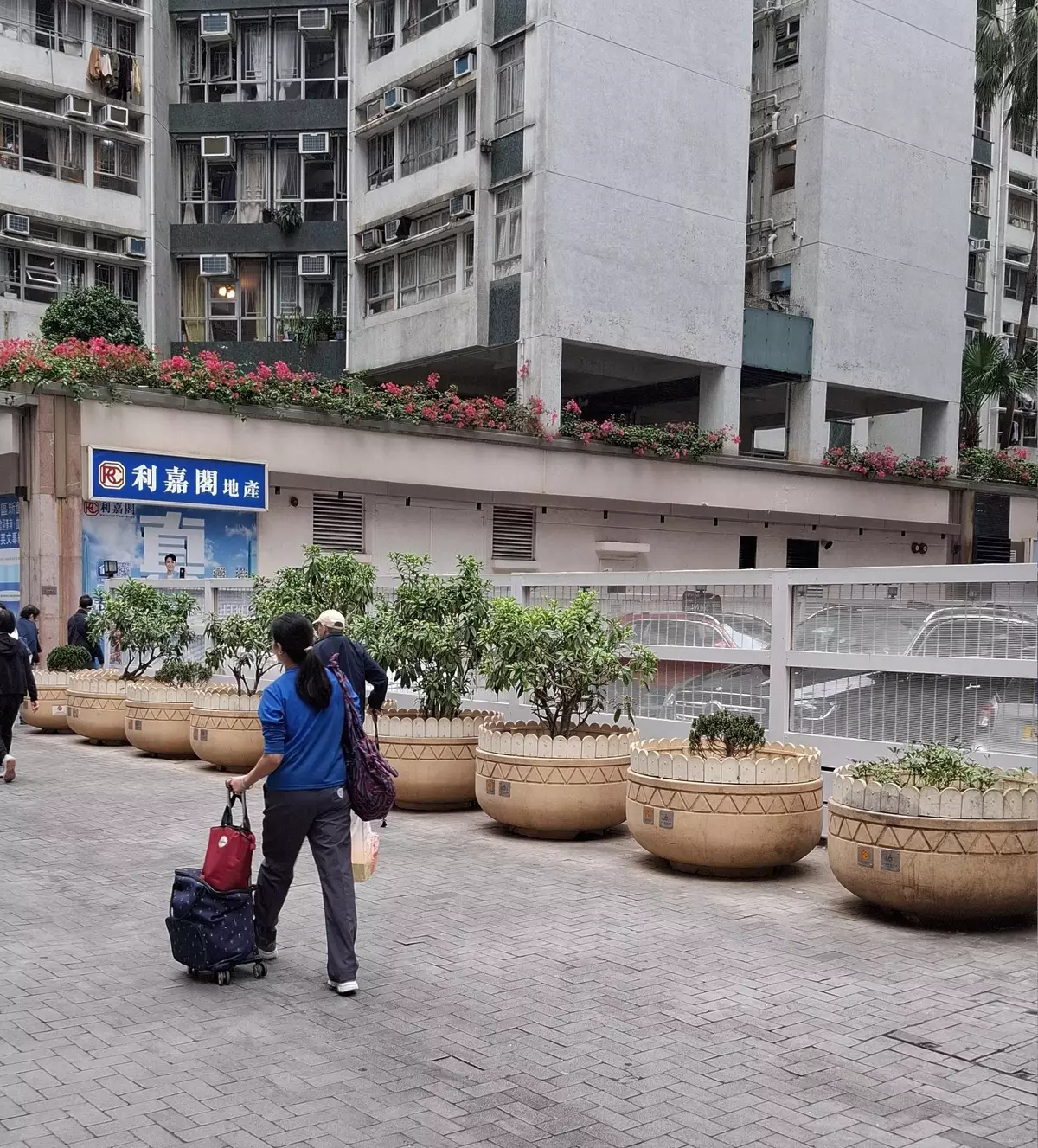
Pest Control Steering Committee reviews follow-up work at Tsing Yi Nature Trails in preventing chikungunya fever and discusses next year's work plan in mosquito and rodent control (with photos/video) Source: HKSAR Government Press Releases
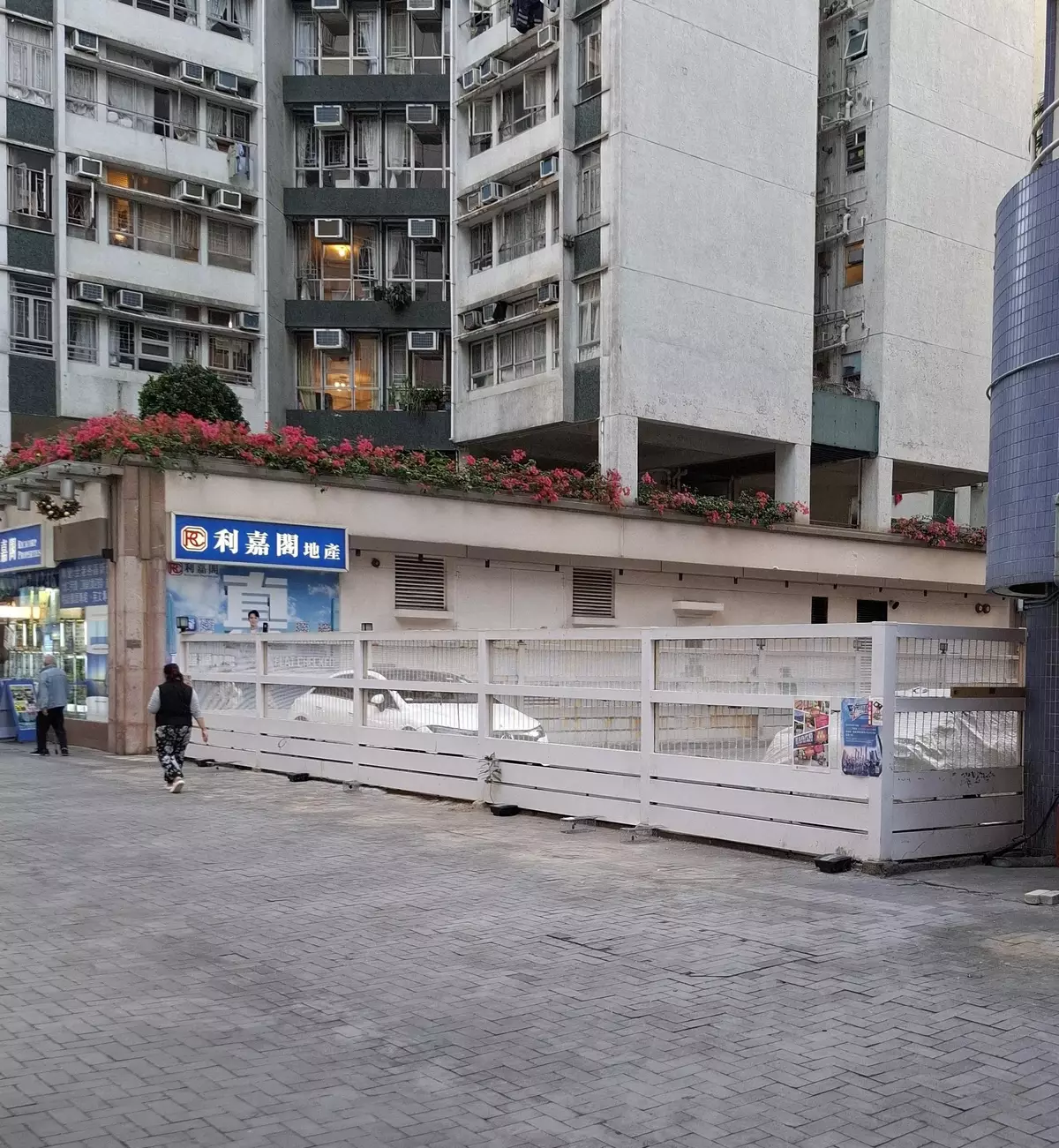
Pest Control Steering Committee reviews follow-up work at Tsing Yi Nature Trails in preventing chikungunya fever and discusses next year's work plan in mosquito and rodent control (with photos/video) Source: HKSAR Government Press Releases
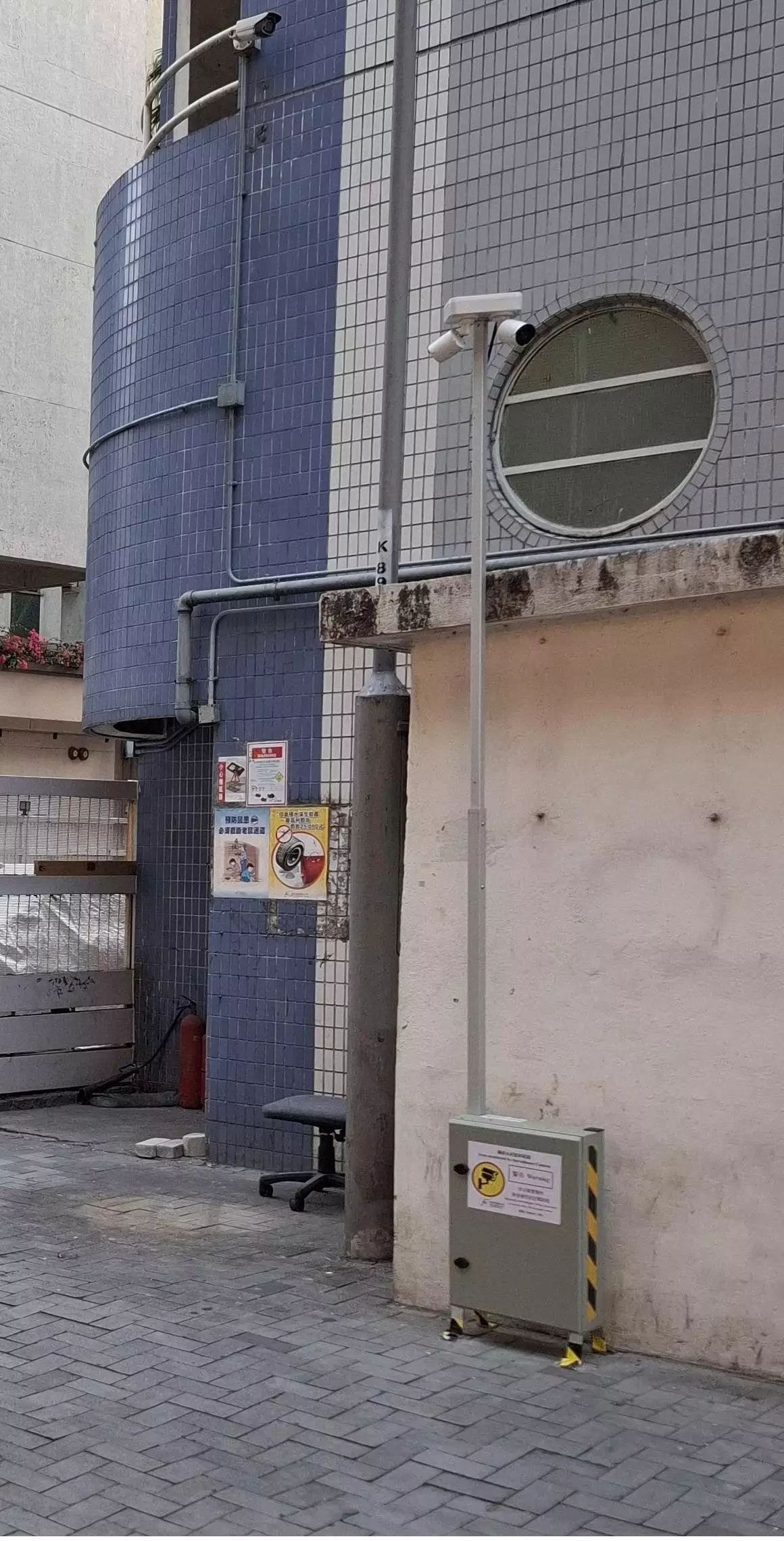
Pest Control Steering Committee reviews follow-up work at Tsing Yi Nature Trails in preventing chikungunya fever and discusses next year's work plan in mosquito and rodent control (with photos/video) Source: HKSAR Government Press Releases
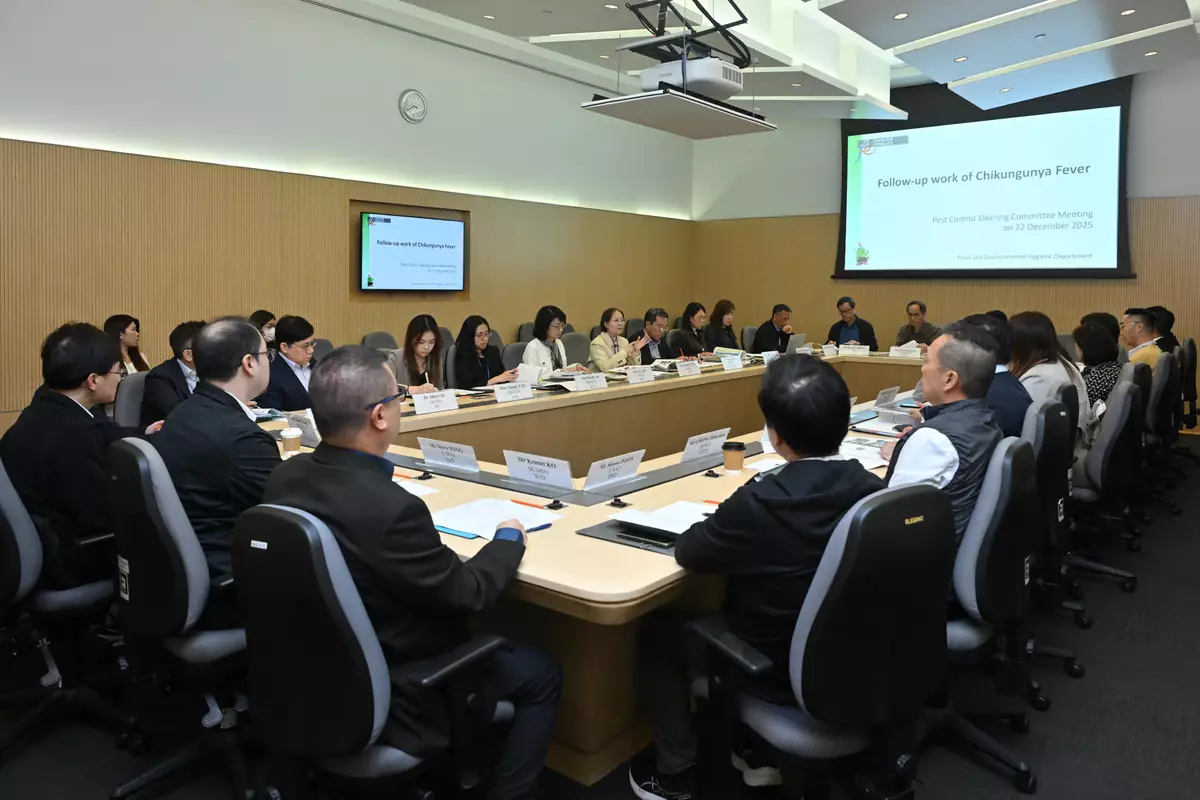
Pest Control Steering Committee reviews follow-up work at Tsing Yi Nature Trails in preventing chikungunya fever and discusses next year's work plan in mosquito and rodent control (with photos/video) Source: HKSAR Government Press Releases