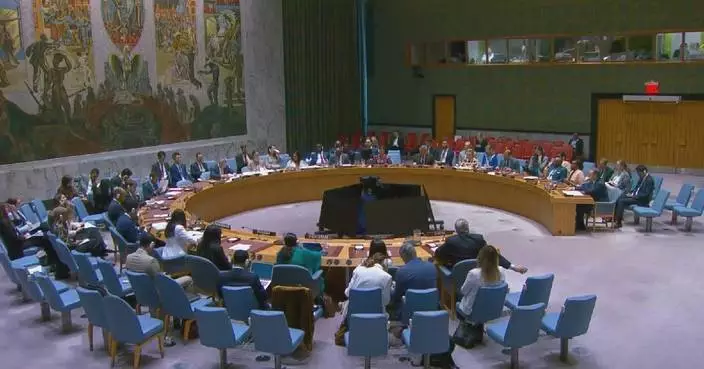
The Chinese representatives at a WTO meeting on Tuesday refuted the baseless accusations by the U.S. side of "overcapacity", condemned the United States for violating the World Trade Organization (WTO) trade rules, and called for cooperation and efforts to defend the multilateral trading system.
At the WTO's Committee on Subsidies and Countervailing Measures meeting, Chinese representatives said there is no universally accepted standard or method for assessing "overcapacity", and supply-demand imbalance is the norm.
Click to Gallery
Chinese representatives condemn U.S. for violating WTO trade rules
Chinese representatives condemn U.S. for violating WTO trade rules
Chinese representatives condemn U.S. for violating WTO trade rules
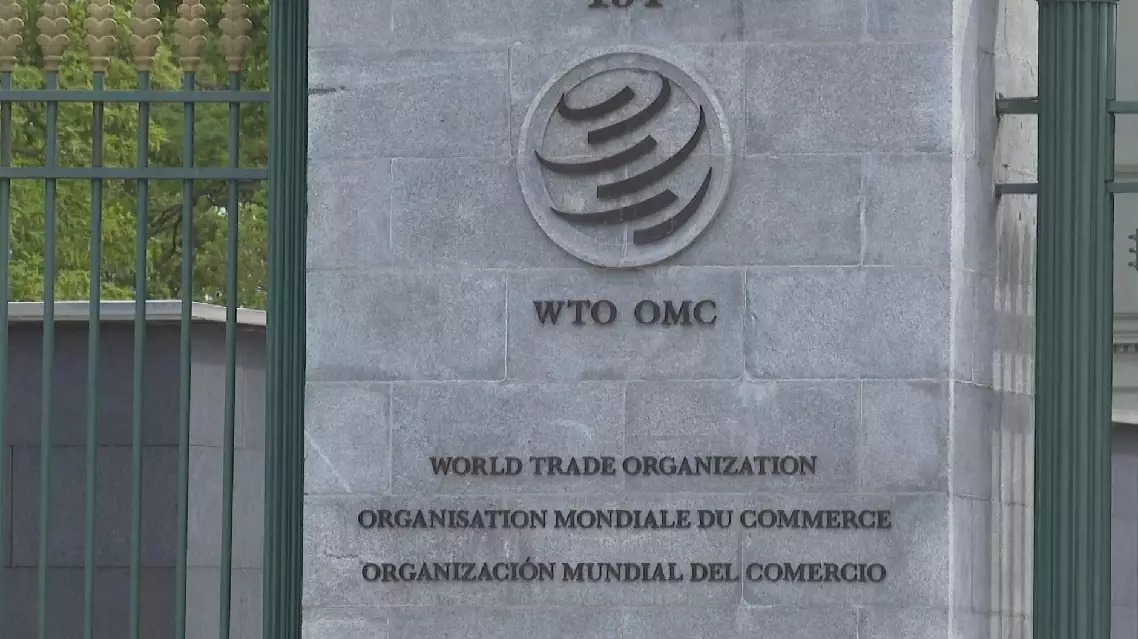
Chinese representatives condemn U.S. for violating WTO trade rules
The U.S. and other WTO members contradict market economy principles and the logic of globalization by hyping up "overcapacity" and making it an excuse to create anxiety, to smear and suppress China, and to justify their own unilateral and protectionist measures, as they, in essential, are concerned about their competitiveness and market shares, Chinese representatives said.
Chinese representatives also pointed out that the U.S. "reciprocal tariffs" disrupt global trade and hurt the interests of developing countries. At the same time, China acts as a "stabilizer" for international trade growth and consistently stands with developing members.
The U.S. has repeatedly criticized and defamed China on industrial capacity and describes China as a "threat" because the U.S. insists on the zero-sum game, prioritizes its own interests, and refuses to believe in mutual benefits through trade and economic cooperation, said Chinese representatives.
China also criticized the U.S. for its discriminatory subsidies, such as those under the "CHIPS and Science Act" and"reciprocal tariffs," which distort markets, embody double standards, and undermine WTO rules.
China's representatives also said that the U.S. actions deviate from market economy principles, severely disrupt the normal order of international trade and investment, and called on WTO members to strengthen cooperation, oppose U.S. unilateral bullying practices, and jointly safeguard the rules-based multilateral trading system.
Chinese representatives condemn U.S. for violating WTO trade rules
Chinese representatives condemn U.S. for violating WTO trade rules
Chinese representatives condemn U.S. for violating WTO trade rules
Chinese representatives condemn U.S. for violating WTO trade rules