The global entertainment industry has been rattled after U.S. President Donald Trump proposed a tariff on film productions shot outside the United States.
Saying Hollywood is being destroyed and blaming other nations for "stealing" the U.S. film industry, Trump announced on Monday that films produced abroad would be subject to a 100 percent tariff.
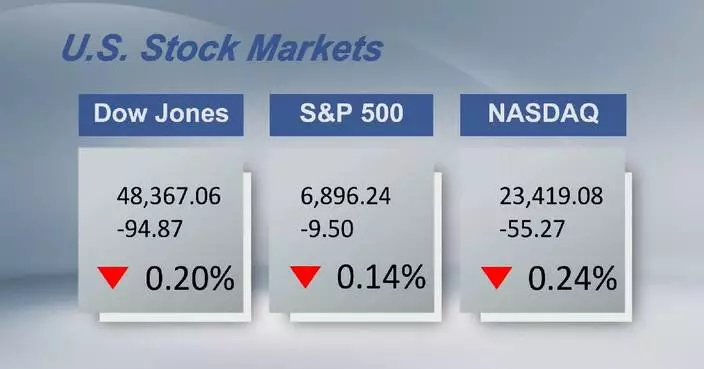
In response, Netflix Inc. and Warner Bros. Discovery Inc. fell about 3 percent while Paramount Global and Walt Disney Co. slid about 2 percent as markets opened.
Trump also positioned foreign productions as a national security threat, accusing other countries of using films for messaging and propaganda.
Industrial insiders believe that the move could have a dramatic impact on other film industries around the world, and some suspect that it could also trigger retaliation from other governments.
William Reinsch, former deputy secretary of the U.S. Department of Commerce and senior fellow at the Center for Strategic and International Studies, shared that retaliation against Trump's foreign movies tariffs would be devastating to the U.S. film industry. "We have a lot more to lose than to gain," he said, further asserting that "national security" is a poor excuse.
U.S. media reported on the same day that for the first time, the government extended its restrictive trade policies on U.S. imports to the entertainment sector, which may have a major impact on the industry and further intensify the trade war triggered by the country.
In return, New Zealand Prime Minister Christopher Luxon and Australia's Home Affairs Minister Tony Burke stated they would safeguard the interests of their respective film industries.
Anne Murray, the CEO of the New Zealand Film Commission, revealed that they are in close communication with international partners to assess the potential impact.
In an exclusive interview with China Global Television Network, a Chinese expert suggested that Trump's protectionist measure stems from the diminished influence and appeal of American films.
"In recent years, American films -- represented by Hollywood and Silicon Valley -- have faced a significant problem. Whether it's traditional or new film formats, they have all been impacted by the political, cultural, and trade conservatism, protectionism, and unilateralism. As a result, the appeal of American films, particularly those from Hollywood, such as Captain America 4, has declined significantly," said Sun Jiashan, an associate researcher at Central Cultural and Tourism Management Cadre Institute.
He stated that the policy could potentially affect the Chinese film market, but emphasized that China is playing a broader role in fostering better film-making globally.
"The greatest contribution of Chinese cinema in this cycle to the global film industry goes beyond box office numbers. It lies in providing a vast market that supports the entire global film production chain -- including the latest imaging technologies and a pipeline of talent. China offers a valuable testing ground for film innovations and remains open and inclusive toward international film professionals," he said.
On the U.S. tariffs, Sun stressed that Trump's attempt to suppress foreign film industries will likely backfire.
"With shrinking domestic production and now the cutting off international content, this policy not only harms the U.S. film industry but also limits options for American audiences. In the long run, this will cause deep damage to the U.S. film sector and hinder the next phase of growth. Under the pressure of a 100 percent tariff, further decline seems inevitable," he said.
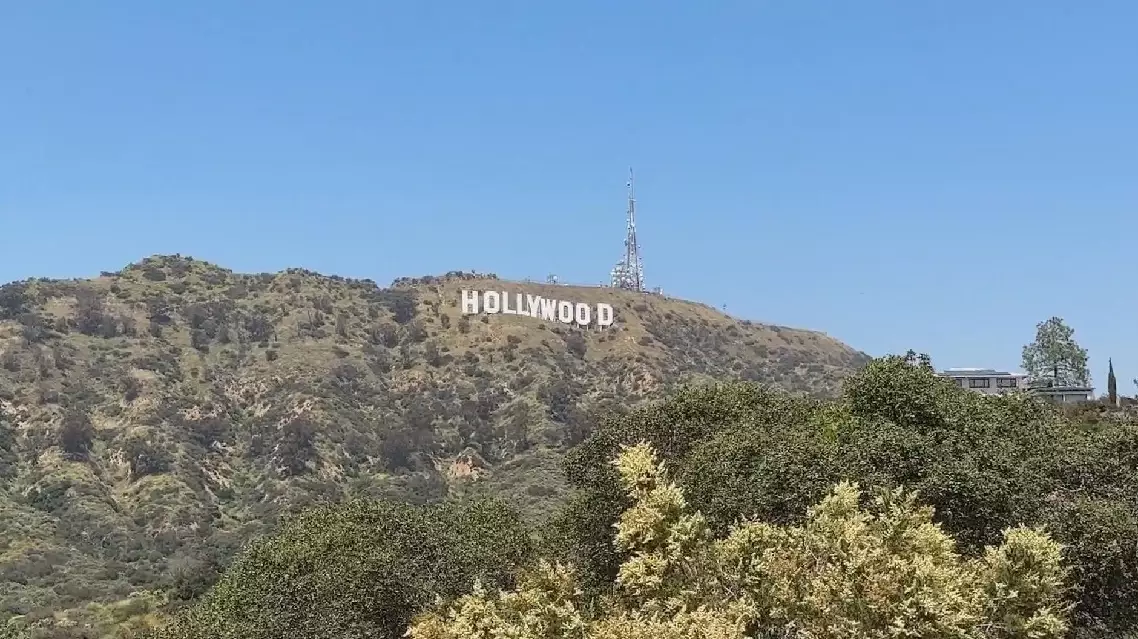
Trump's movie tariffs trigger Hollywood studio stock losses, spark strong backlash