Russia said on Tuesday that its armed forces had taken control of two settlements in the Kharkiv and Zaporizhzhia regions in the past day, while Ukraine reported that its troops had repelled dozens of attacks from Russian forces on the same day.
In its latest report, the Russian Ministry of Defense said that during the past 24 hours, its forces also conducted strikes on 150 locations, including facilities used by Ukrainian forces for transporting Western weapons, ammunition and fuel depots, as well as temporary deployment sites for Ukrainian armed forces and foreign mercenaries. Russian air defense systems shot down 18 drones and intercepted three HIMARS rockets.
Meanwhile, the General Staff of the Armed Forces of Ukraine reported on Tuesday that its troops had engaged in 151 battles with Russian forces in the past day. The Ukrainian military successfully repelled dozens of attacks from the Russian military in multiple directions. Ukrainian missile, air, and artillery units targeted areas where Russian troops were gathering. The Ukrainian army shot down 400 Russia's tactical drones.
The Ukrainian state power company reported widespread power outages in the Chernihiv, Kharkiv, and Sumy regions due to Russian attacks.
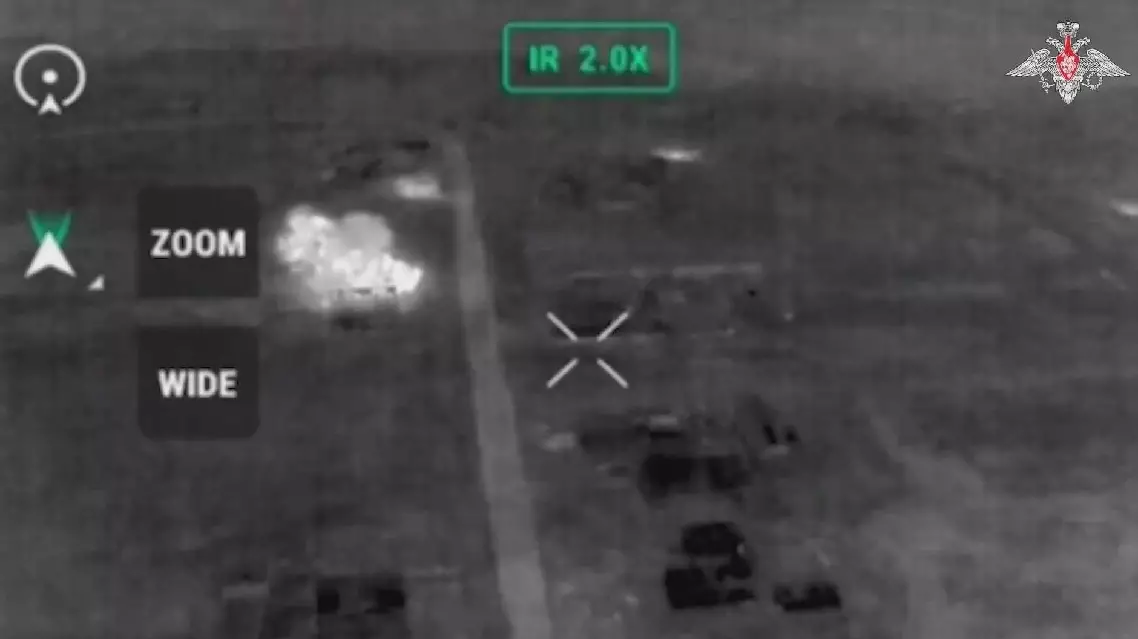
Russia claims control over 2 more settlements while Ukraine reports repelling dozens of Russian attacks
Japanese media outlets on Wednesday disclosed an outline of the Japanese government's 2026 defense white paper, which continues to portray the regional security environment as "increasingly severe" while calling for enhanced development in unmanned systems and artificial intelligence.
According to the Asahi Shimbun, the upcoming annual defense report largely follows the narrative of the 2025 edition, arguing that the international community has entered a "new era of crisis," characterizing the security environment in the "Indo-Pacific region" as "increasingly severe," and hyping up the so-called "China threat" theory.
The white paper states that defense production and technological capabilities are directly linked to defense strength. It advocates creating an "environment of mutual support" by deploying the same defense equipment as allies and other "like-minded" countries, the newspaper said.
Meanwhile, Japan's public broadcaster NHK reported that the 2026 white paper introduces a new section on "emerging modes of warfare," which stresses the need to expand the use of unmanned aerial systems and artificial intelligence technologies in defense operations.
Some observers in Japan have expressed concern that the government's continued efforts to justify changes in defense policy by citing a deteriorating security environment could heighten military tensions and increase the risk of conflict.
The full defense white paper is expected to be submitted to Japan's Cabinet for approval this summer.

Japan's defense white paper outline revealed by media