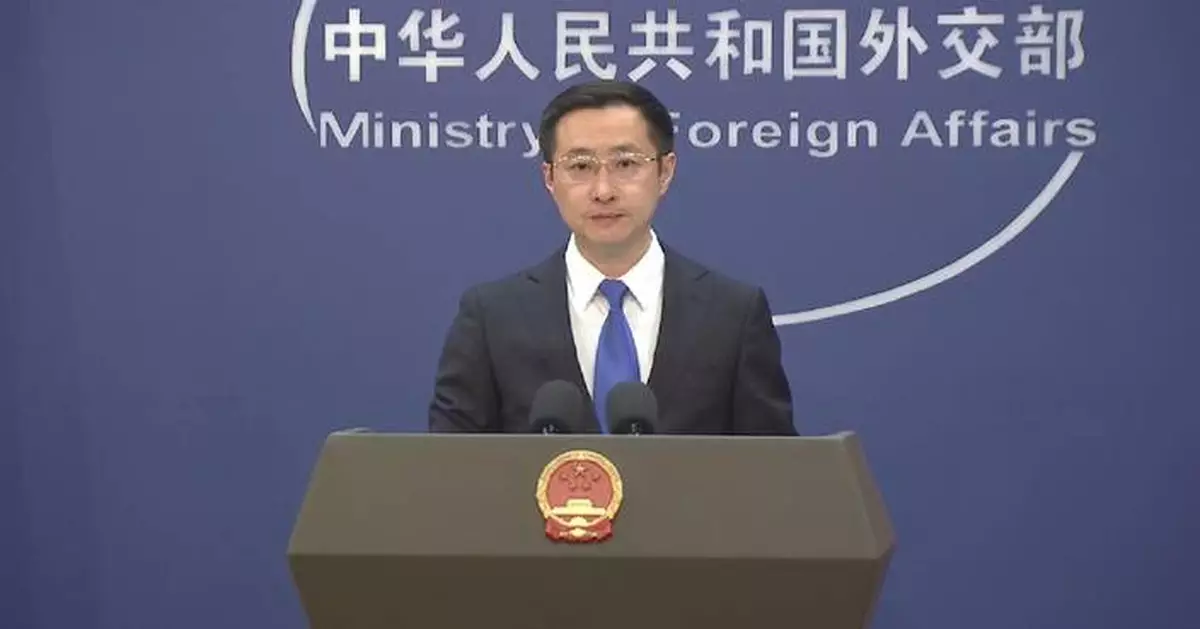
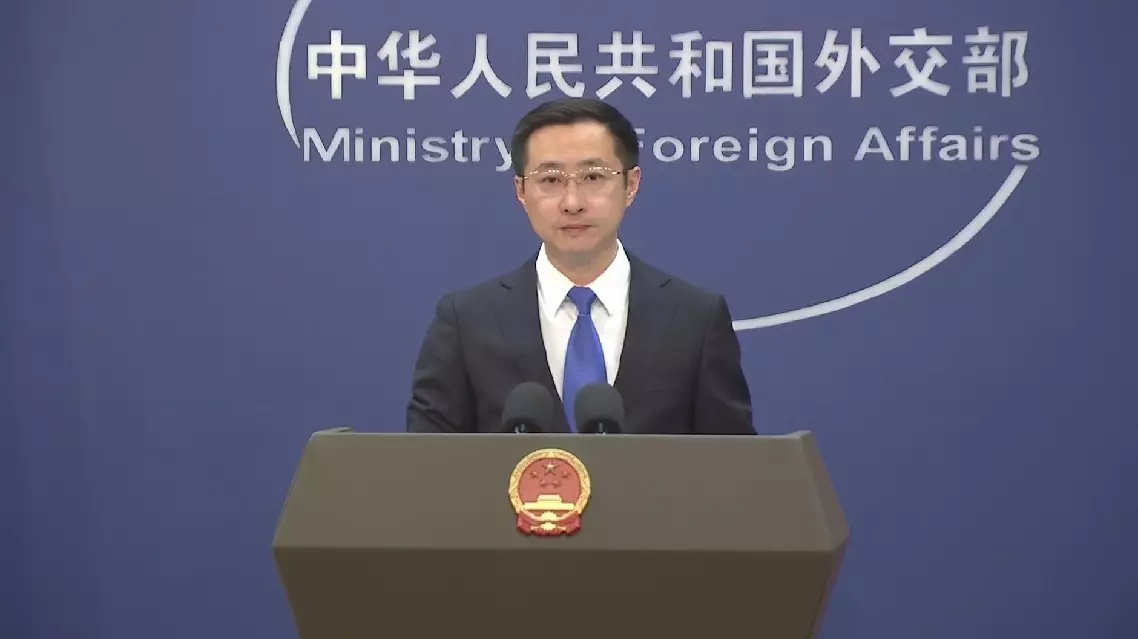
China's participation in Russia's celebrations marking the 80th anniversary of the Victory in the Soviet Union's Great Patriotic War represents the country's respect and remembrance of history, said Lin Jian, spokesman for China's Ministry of Foreign Affairs, on Wednesday.
Friday marks the 80th anniversary of the Victory in the Soviet Union's Great Patriotic War. At the invitation of the defense ministries of Russia and Belarus, the Guard of Honor of the Chinese People's Liberation Army (PLA) will participate in the military parades held in Moscow of Russia and Minsk of Belarus to commemorate the anniversary.
"The great victory of the World Anti-Fascist War is the result of concerted efforts of all nations and peoples in the world who love peace and support justice. The Chinese people and people of all ethnic groups in former Soviet Union made enormous sacrifice and indelible historic contributions to secure the victory. China’s attendance at the celebrations hosted by Russia marking the 80th anniversary of the Victory in the Soviet Union's Great Patriotic War shows that China respects and remembers history and is firmly resolved to defend the outcomes of the victory of World War II," Lin said at a press conference in Beijing.
China's participation in Victory Day celebration reflects respect, remembrance of history: spokesman
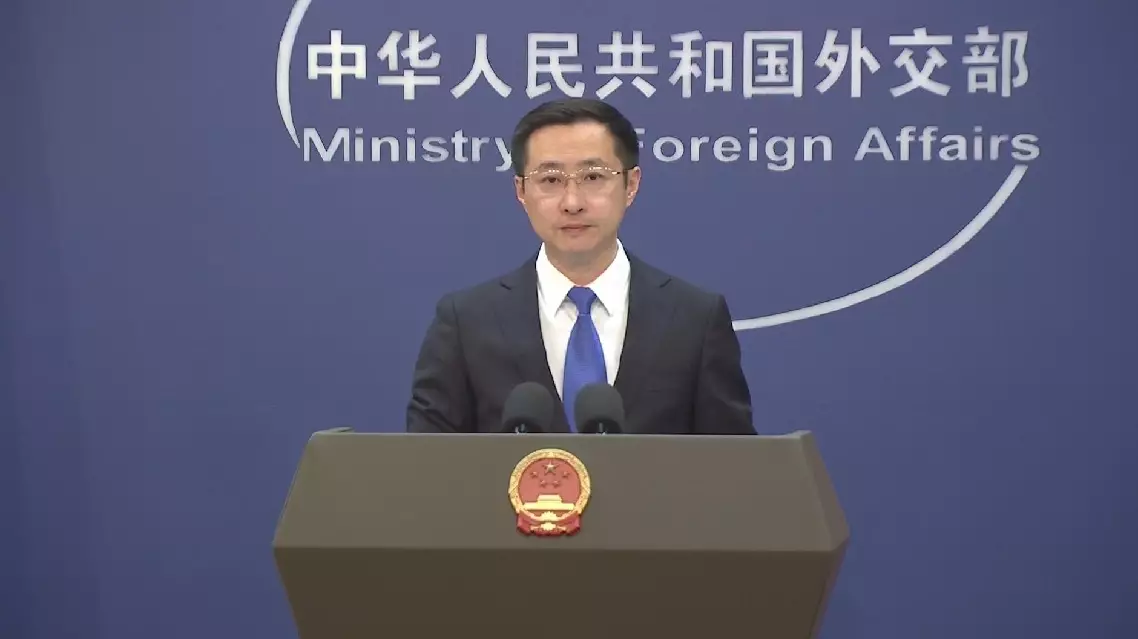
China's participation in Victory Day celebration reflects respect, remembrance of history: spokesman
China's participation in Victory Day celebration reflects respect, remembrance of history: spokesman
The Zambian government has declared the current fuel supply situation an emergency amid the ongoing tensions in the Middle East.
On March 31, Zambian Minister of Information and Media Cornelius Mweetwa said in a statement that the cabinet had approved zero-rating of value-added tax and the suspension of excise duty on petrol and diesel imports for a period of three months.
Mweetwa, also the government spokesperson, noted that the government is concerned about the continued conflict in the Middle East, which have disrupted global oil supply chains, resulting in rising international fuel prices and upward pressure on domestic pump prices.
Also on March 31, Zambia's energy regulator announced an upward adjustment in fuel pump prices. Under the new pricing structure, petrol has increased by 2.03 percent, while diesel has risen by 28.09 percent.
Zambian residents have already been feeling the impact. Their ability to travel is curtailed and they are forced to wait in long lines for refueling.
"You have to spend some time on looking for fuel. The war should come to an end, and then fuel supply will flow," said Fredrick Nabuzoka, a local resident.
"My business is down. I cannot move regularly like I used to because of the fuel problem," said Fridah Mbiza, another resident.
Analysts warned that the fuel shortage extends beyond the country, which raises fear and worsens an already precarious energy insecurity.
"The energy insecurity is huge. It's not just for Zambia, it's about 75 percent of other African countries. And for Zambia, the price definitely is also going to swing up, just like other countries. And also, there is another fear, apart from just the price going up. The other fear is the availability factor," said Johnstone Chikwanda, a Zambian energy expert.
The ongoing U.S.-Israeli war with Iran and Tehran's retaliatory strikes across the Gulf region have triggered a shortage of liquefied petroleum gas globally because of the reduction of sea traffic through the key oil shipping route, the Strait of Hormuz. The closure of the sea route has sent global oil prices soaring.
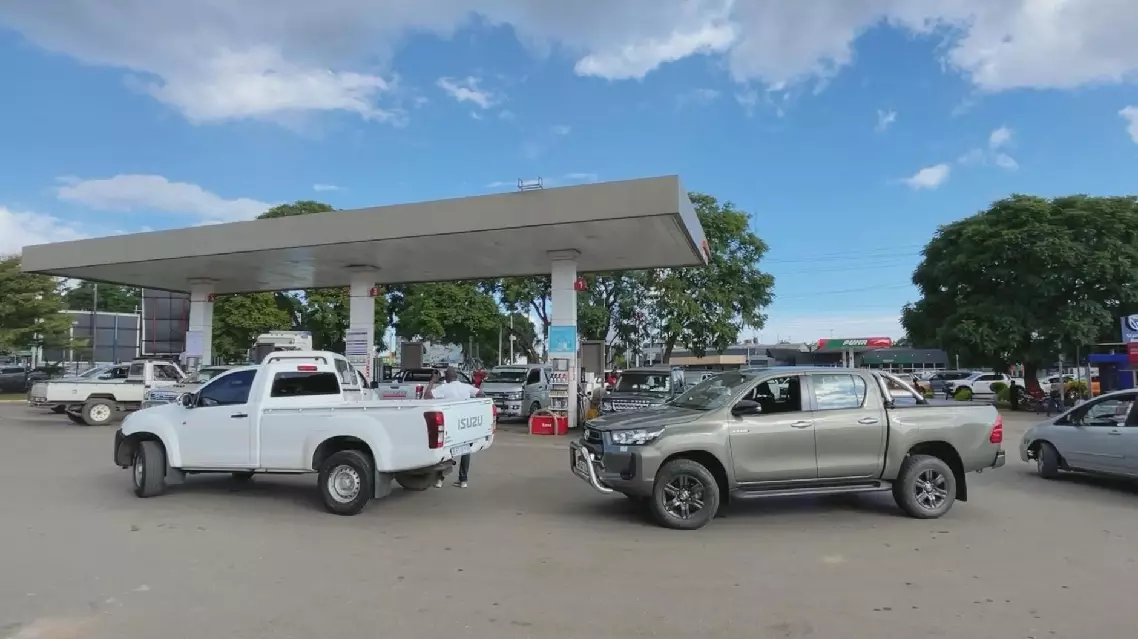
Zambia declares fuel supply emergency amid Middle East tensions