Skip to Content Facebook Feature Image

Yangtze River sees continuous aquatic biodiversity recovery since fishing ban

China

China

China

Yangtze River sees continuous aquatic biodiversity recovery since fishing ban

2025-05-10 04:17 Last Updated At:13:11

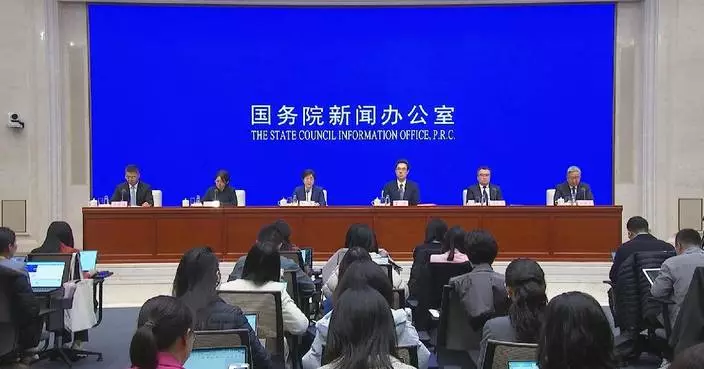
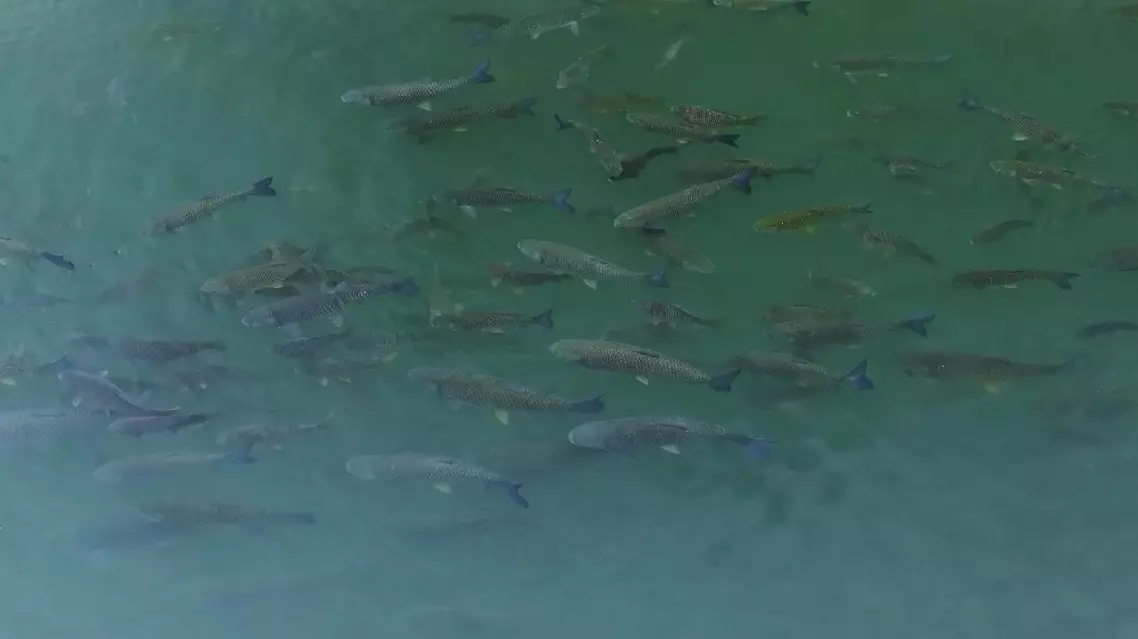
The Yangtze River has seen sustained restoration of aquatic biodiversity since the implementation of a fishing ban, with concrete policies and measures leading to phased achievements, according to the Chinese Ministry of Agriculture and Rural Affairs.

China started to implement the fishing ban in the Yangtze River Basin in 2021 to accelerate the ecological restoration of its aquatic biodiversity and water environment.

Over the past four years, the Ministry of Agriculture and Rural Affairs has been actively rescued flagship species in the Yangtze River, including Chinese sturgeon, Yangtze finless porpoise and Yangtze sturgeon, leading to the continuous recovery of aquatic biodiversity.

"Monitoring data showed that, from 2021 to 2024, a total of 344 native fish species were recorded in the Yangtze River basin -- 36 more species than during the pre-fishing ban period from 2017 to 2020. The aquatic biological integrity index in key water areas of the Yangtze River has shown significant improvement," said Yi Yanrong, deputy director of the Yangtze River Basin Fishery Supervision and Management Office of the Ministry of Agriculture and Rural Affairs.

Meanwhile, the resettlement and support policies for fishermen who have retired from fishing have been effectively implemented.

A total of 145,000 the retired fishermen with the ability and willingness to work have been reemployed, while 220,000 eligible retired fishermen have been enrolled in basic pension insurance, with 12,000 fishermen facing livelihood difficulties included in the subsistence allowance system.

Over the past four years, the Ministry of Agriculture and Rural Affairs, in collaboration with the Ministry of Public Security and the State Administration for Market Regulation, has strictly cracked down on illegal fishing, maintaining overall stability in fishing ban management.

The latest data showed that in 2024, the number of administrative cases related to fishing dropped by 24.7 percent year on year, and in the first quarter of 2025, it decreased by 3.3 percent year on year. The law enforcement and management of relevant authorities have maintained a strong deterrent and high pressure on such cases, effectively curbing general illegal and non-compliant activities.

However, as fishery resources gradually recover, the lure of illegal fishing profits has increased. Criminal gang activities have started to rise, and the underground industry chain of "catching, transporting and selling" has become more concealed.

"We will work together with the Ministry of Public Security and the State Administration for Market Regulation to focus on investigating and cracking down on organized, large-scale and chain-like illegal criminal groups, resolutely cutting off the underground industry chain of illegal catching, transporting and selling [of Yangtze River fish]. We will strengthen law enforcement capacity building, actively promote reward-based reporting systems, improve public participation in crime prevention and control, standardize the management of angling activities by combining regulation and guidance, and carry out the cleanup and rectification of prohibited fishing gear, further eliminate risks and hidden dangers in the fishing industry," said Yi.
Yangtze River sees continuous aquatic biodiversity recovery since fishing ban

Yangtze River sees continuous aquatic biodiversity recovery since fishing ban
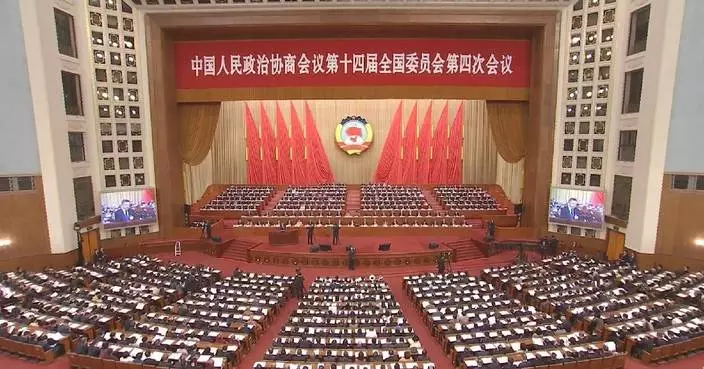
China's commitment to its path of opening up will continue as a long-term national strategy and should increasingly be defined by inclusiveness, a national political advisor said Friday.

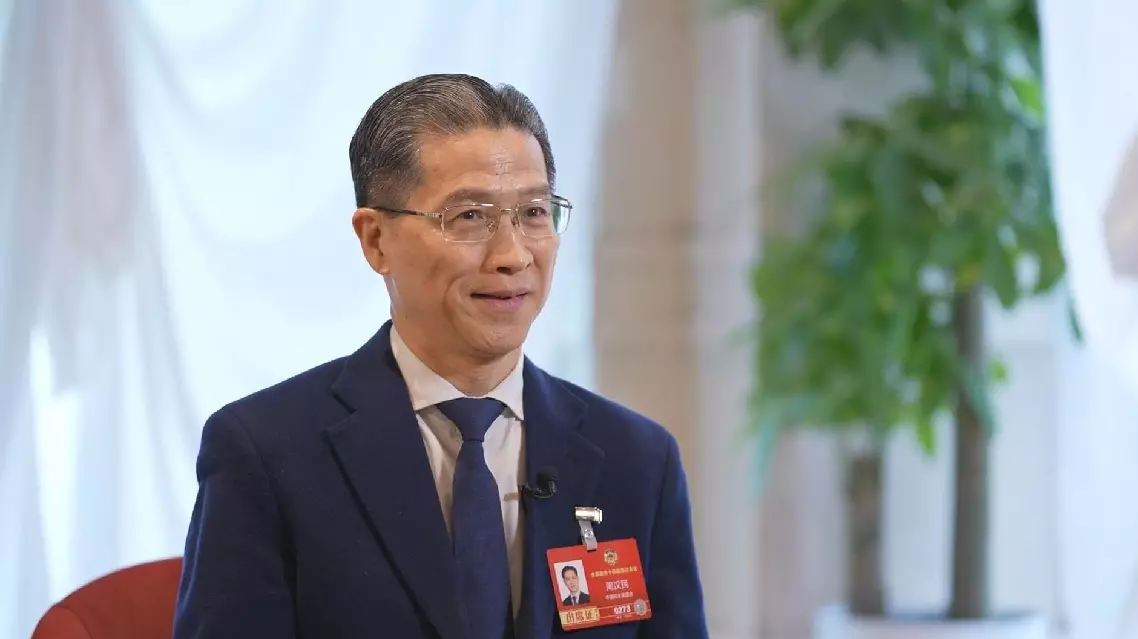
Zhou Hanmin, a member of the Standing Committee of the National Committee of the 14th Chinese People's Political Consultative Conference (CPPCC) and president of the Shanghai Public Diplomacy Association, made the remarks in an interview with China Media Group (CMG) during the annual political "two sessions" underway in Beijing.

"Opening-up is and has been a long-term national policy and a strategy ever since China opened itself up (to the world) some 48 years ago. Ever since China joined WTO (World Trade Organization), you could see it has fundamentally changed the formats of economic movements. So opening-up is a reference and also a driving force," he said.

Zhou stressed China must also invite less privileged nations to share in the prosperity of a more open world.

"Inclusiveness is one word that should be used to modify China's opening-up. I (previously) submitted a bill in CPPCC for the zero tariff for those least developed nations' exportation to China. Because for each and every China International Import Expo, you can see quite a large number of exhibitors coming from the least developed countries. We need to give them very genuine help. We are just in the situation of that. We just try to do not only with developed nations, but the Global South and rest of the countries, all together," he said.

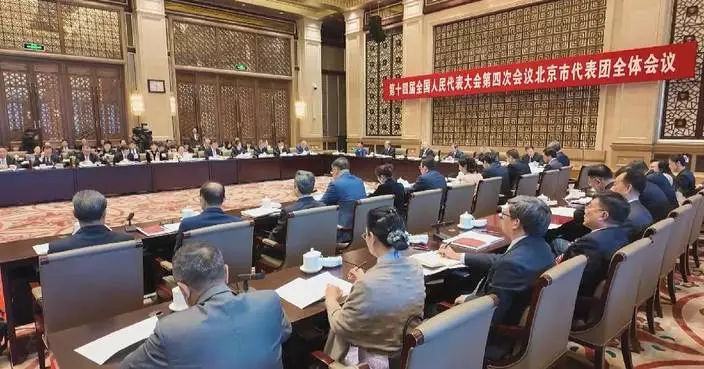
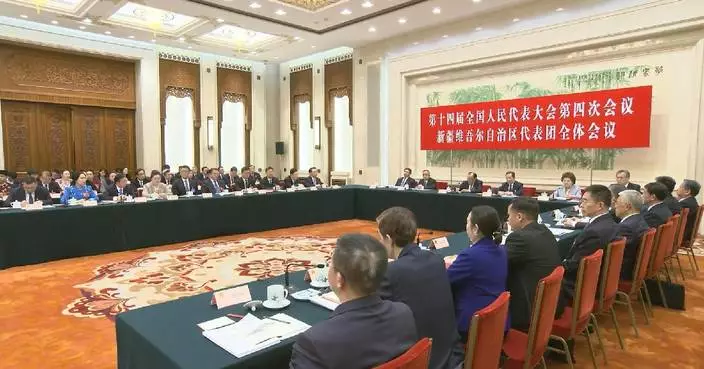
Zhou's comments come amid the ongoing "two sessions", the annual meetings of China's top legislature, the National People's Congress (NPC), and the top political advisory body, the National Committee of the CPPCC. Both bodies serve a five-year term and hold a plenary session each year, generally in March.

The fourth session of the 14th NPC and the fourth session of the 14th National Committee of the CPPCC kicked off in Beijing on Thursday and Wednesday, respectively. A main focus is the adoption of the country's 15th Five-Year Plan (2026-2030), a key blueprint guiding China's drive toward modernization.   When asked about key signals from the plan that the international community should closely watch, Zhou outlined several key issues.

"We are now carrying on this Five-Year Plan in the most crucial period of time. We are going to generally modernize the country (in) another 10 years. In this five-year period of time, we need to focus more on creation. Creation not necessarily in the field of technology. Creation means the modernization of the governance, create lots of new things in the system and methods of governance. This is also important," Zhou said.

"The modernization of industrial systems, the further expansion of the ability of consumption, and we try to know very well the longevity, whatever solves people's daily needs. The last but not least, we try to understand fully international collaboration. Opening-up is still a driving force," he said.

China's opening-up should continue path of inclusiveness: political advisor

China's opening-up should continue path of inclusiveness: political advisor

China's opening-up should continue path of inclusiveness: political advisor

China's opening-up should continue path of inclusiveness: political advisor

Recommended Articles