Mexico has filed a legal lawsuit against Google for labeling the Gulf of Mexico as "Gulf of America" on Google Maps for American users, arguing that the move violates the sovereignty and international recognition of Mexican territory, Mexican President Claudia Sheinbaum said Friday.
Sheinbaum told a regular morning press conference that Google has already been sued and that "a first resolution" has been issued, awaiting compliance.
The United States could "change the name of a state, a mountain, a lake" and call it "whatever they decide" if it is within its territory, but those on the Mexican and Cuban sides cannot be renamed, said the Mexican president, noting that Google must clearly distinguish the respective areas.
The dispute occurred amid ongoing tariff tensions, primarily over immigration and security issues. Authorities from both countries have held meetings to reach an agreement.
The Gulf of Mexico is a body of water located to the south of the United States and to the east of Mexico. This name has been in use since the 16th century.
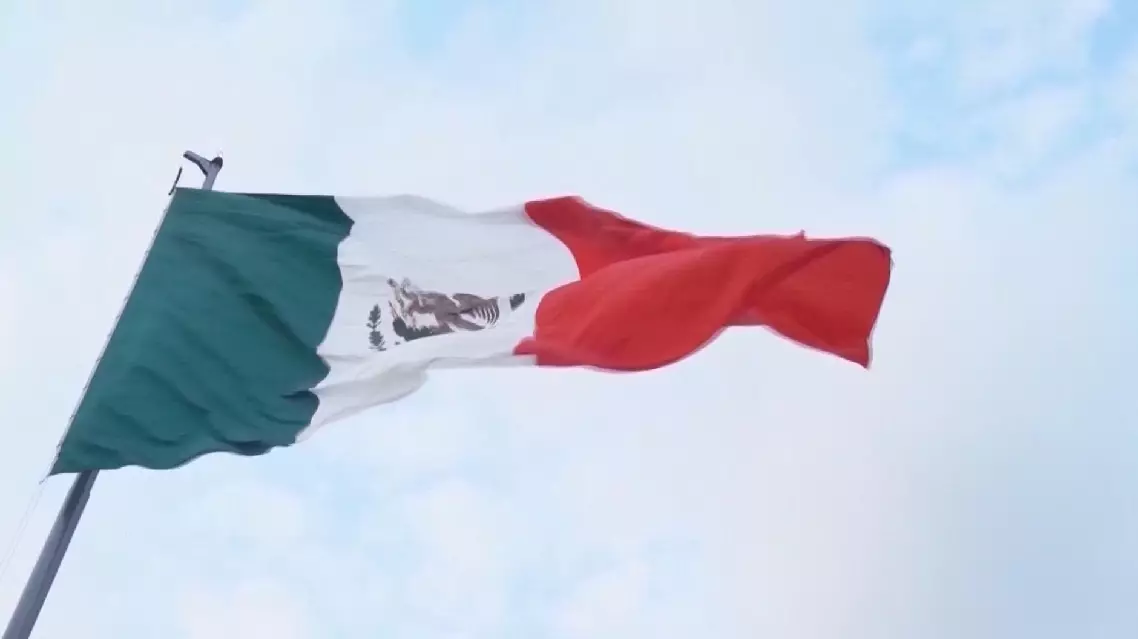
Mexico sues Google over Gulf of Mexico name change
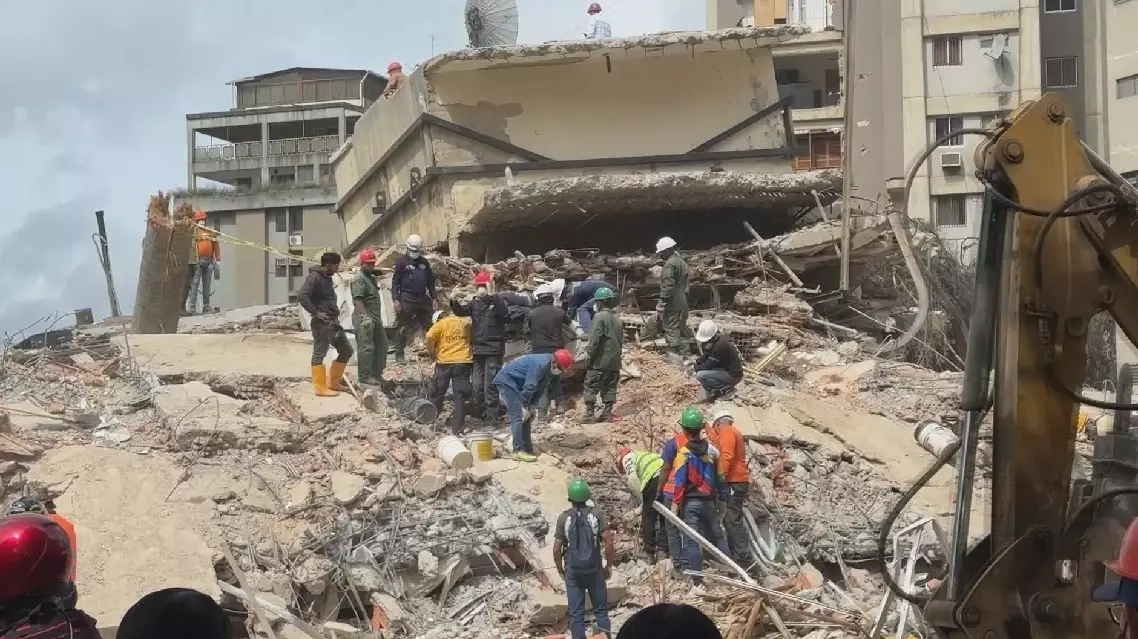
Venezuela is grappling with a humanitarian crisis as U.S. sanctions are hindering the country from accessing much-needed relief supplies after a deadly earthquake wreaked havoc in the South American nation last week.
Although the U.S. Department of the Treasury has temporarily eased some of the sanctions after the earthquakes, a short-term relief is still insufficient to make up for the structural damage caused by the long-standing restrictions imposed on the country, which has severely undermined the country's ability to access funds, equipment and aid resources for an extended period.
"More help is needed here, more help, even though Venezuelan people are contributing everyday," said Alberto Perez, an affected resident.
An Venezuelan political expert said that the legal and administrative actions taken by the U.S. authorities have clearly indicated that U.S. sanctions have directly hindered the flow of aid.
"This is precisely the strongest and clearest proof, the U.S. itself has admitted this through its own laws and administrative measures, admitting that sanctions, both in the past and now, have such an impact, that they hinder the delivery of funds and humanitarian aid," said Diego Sequera, a Venezuelan political analyst.
According to estimates from the United Nations (UN), the disaster has affected approximately 7 million people and caused 6.7 billion U.S. dollars in property damage, equivalent to 6 percent of Venezuela's GDP.
Venezuela is working with the UN and international humanitarian organizations to help affected communities access to aid.
Two powerful earthquakes, both measuring above magnitude 7.0, struck the country's north in rapid succession on June 24.
As of Tuesday, the death toll from the two earthquakes has risen to 1,943, with more than 10,000 injured, according to Venezuelan National Assembly President Jorge Rodriguez on Tuesday.
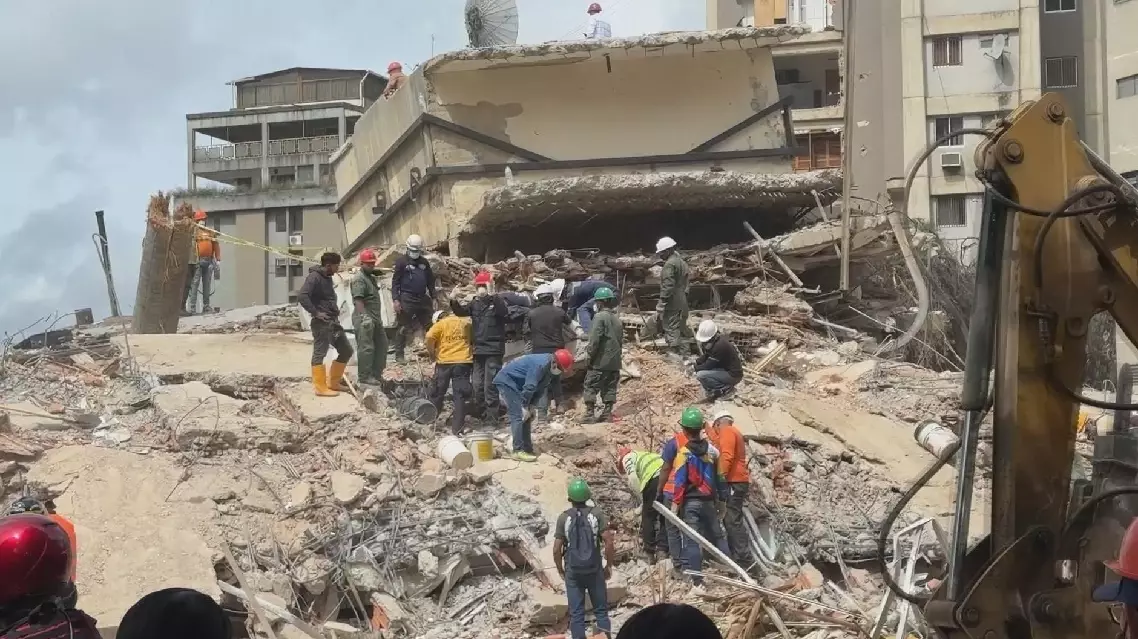
Venezuela grapples with humanitarian crisis as U.S. sanctions block access to quake aid
Venezuela grapples with humanitarian crisis as U.S. sanctions block access to quake aid