Cooperation between China and Latin American and Caribbean (LAC) countries has been advancing rapidly, generating stronger momentum for progress underpinned by a decade of unity.
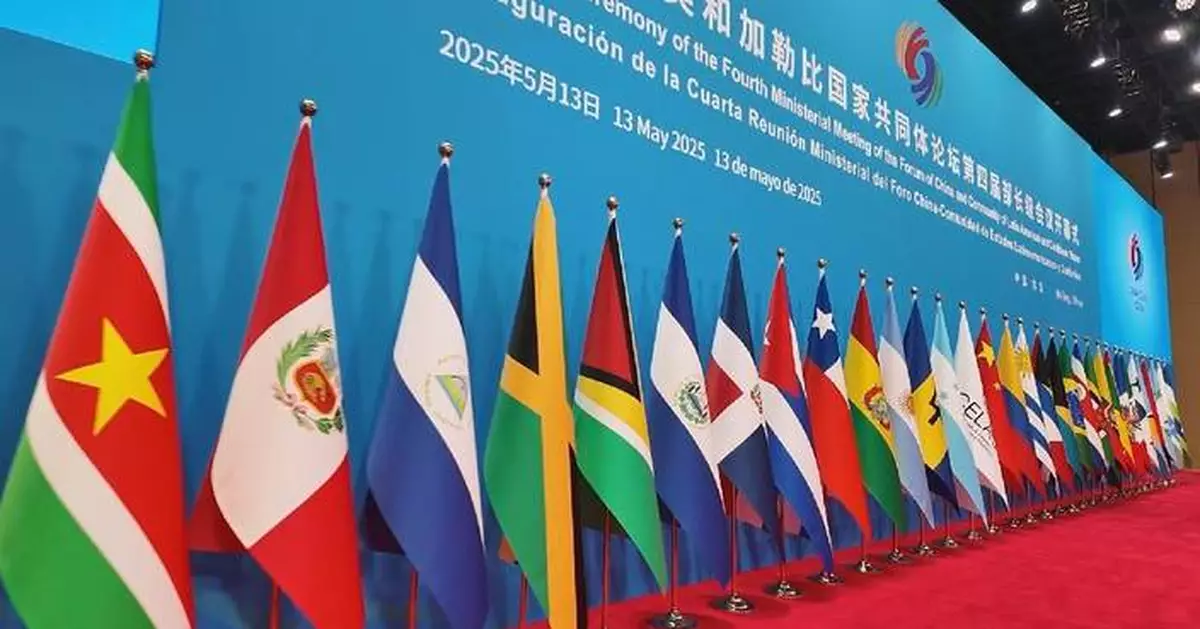
Reflecting this deepening partnership, the China-CELAC (the Community of Latin American and Caribbean States) Forum convened its fourth ministerial meeting on Tuesday in Beijing, marking a significant milestone a decade after its inaugural session in January 2015.
During this ministerial meeting, China and LAC countries agreed on collaborative action plans for the next three years in critical areas, including infrastructure, science and technology as well as agriculture. This detailed roadmap sets the stage for enhanced multilateral cooperation.
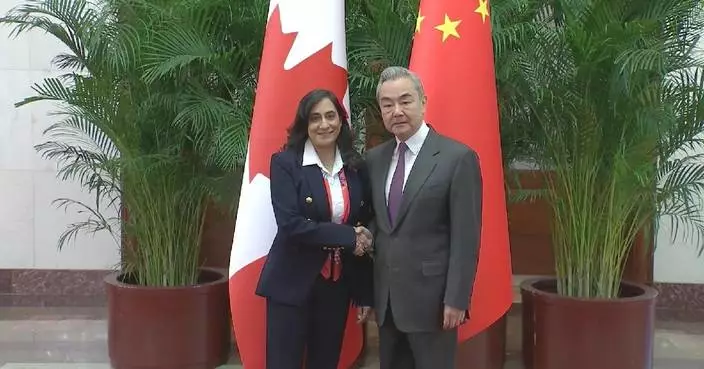
Brazilian President Luiz Inacio Lula da Silva, Colombian President Gustavo Petro and Chilean President Gabriel Boric attended the meeting with their high-profile delegations, highlighting the high attention these leaders attached to China-LAC cooperation.
"We think that this was a very important moment. I think it's a way of reinforcing the Global South in general," said Celso Amorim, the special advisor to president of Brazil.
"For us, cooperation is a clever issue that we need to develop. We want to reinforce all the multilateralism approach. It's clever, we are thinking in the present, in the future, we want to develop bilateral ways, we want to develop sub-regional ways, we want to develop regional ways. There is no contradiction between all these aspects," said Uruguayan Foreign Minister Mario Lubetkin.
The first ministerial meeting of the China-CELAC Forum in Beijing started a new chapter of bilateral and comprehensive cooperation between China and LAC countries.
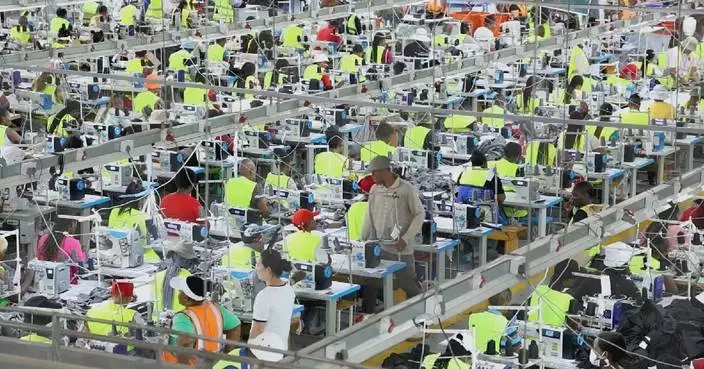
Over the past decade, the cooperation has yielded remarkable results. In 2024, bilateral trade between China and LAC countries surpassed 500 billion U.S. dollars for the first time, marking a forty-fold increase since the beginning of this century.
The China-proposed Belt and Road Initiative (BRI) is contributing to development in more than 20 economies in the LAC region, highlighted by multiple landmark cooperation projects, including Brazil's Belo Monte ultrahigh voltage (UHV) transmission project, Peru's Chancay Port, and Jamaica's North-South Highway.
China is now Latin America's second-largest trading partner, and the region has become the second-largest destination for overseas Chinese investment, with 600.8 billion U.S. dollars in stock by the end of 2023. Currently, China has five free trade partners in the region. As the dividends of free trade continue to unfold, over 90 percent of Chilean cherries find their way to Chinese markets, Nicaraguan honey and Honduran white shrimp offer more choices to people in China. Chinese companies account for 37 percent of automobiles sold in Ecuador.
Through united cooperation, the China-LAC partnership is forging a trans-Pacific super market encompassing over 2 billion people, providing unwavering momentum for both sides' development and rejuvenation, and instilling confidence facing external challenges.
Song Junying, the head of the Department for Latin American and Caribbean Studies at the China Institute of International Studies, emphasized the strong desire for development between China and LAC countrie, highlighting expanding cooperation dimensions and potential for global stability.
"There is very strong willingness between China and LAC countries to develop relations, and the mechanisms are becoming increasingly refined, with growing experience and robust internal driving forces. The dimensions of China-LAC cooperation are continuously expanding. In particular, China and Brazil have proposed the six common understandings on the political settlement of the Ukraine crisis, initiated the 'Friends of Peace' group, allowing more countries of the Global South to have their voices heard. Despite the impact of the external world environment and internal challenges, as long as both sides follow the current roadmap, they will inject more certainty and stability into the turbulent world," said Song.

China-LAC cooperation gains momentum as China-CELAC Forum boosts unity