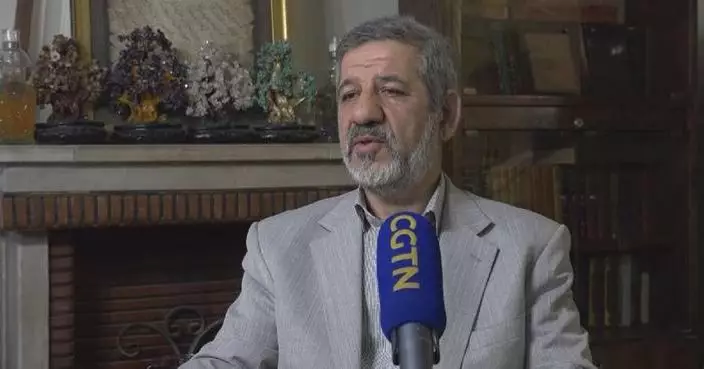
China's urbanization rate of permanent residents reached 67 percent by the end of 2024, with 940 million people now living in urban areas, a housing official announced at a press conference in Beijing on Tuesday.
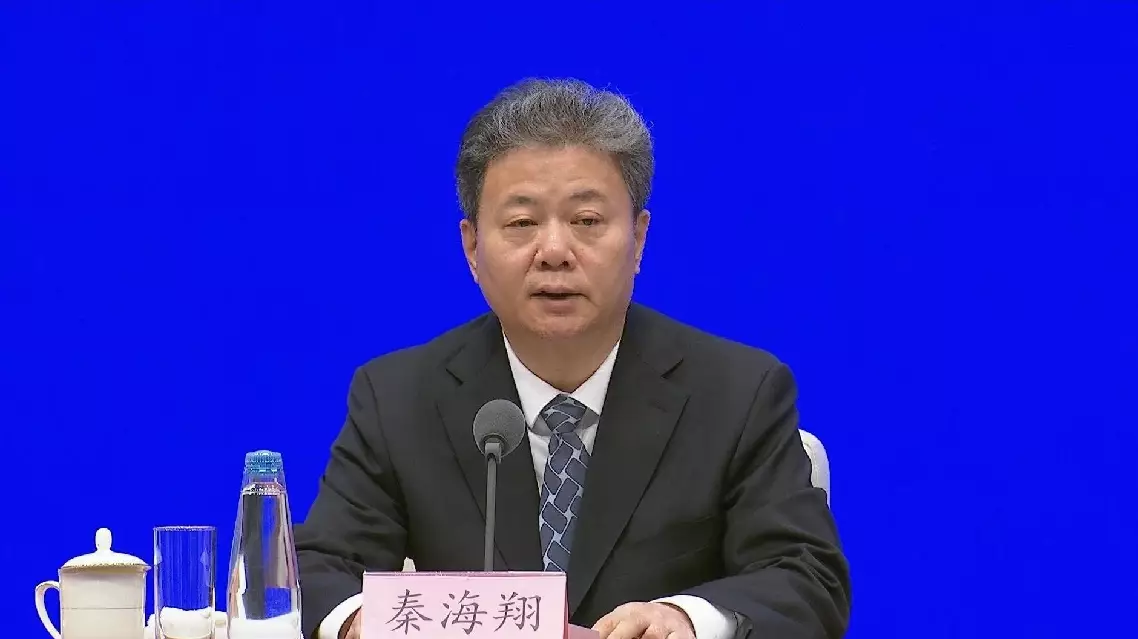
Qin Haixiang, Vice Minister of Housing and Urban-Rural Development, released the figures during a State Council Information Office briefing, highlighting the nation's steady progress in urban development.
"By the end of 2024, the urbanization ratio hit 67 percent, with 940 million people living in urban areas. The comprehensive carrying capacity of cities has been steadily increasing, the living environment continued improving, and the quality of urban development and people's living standards significantly improved," he said.
The urbanization rate, a key indicator of urban development, is principally measured by the proportion of permanent residents living in cities and towns.
China's urbanization rate reaches 67 pct: official
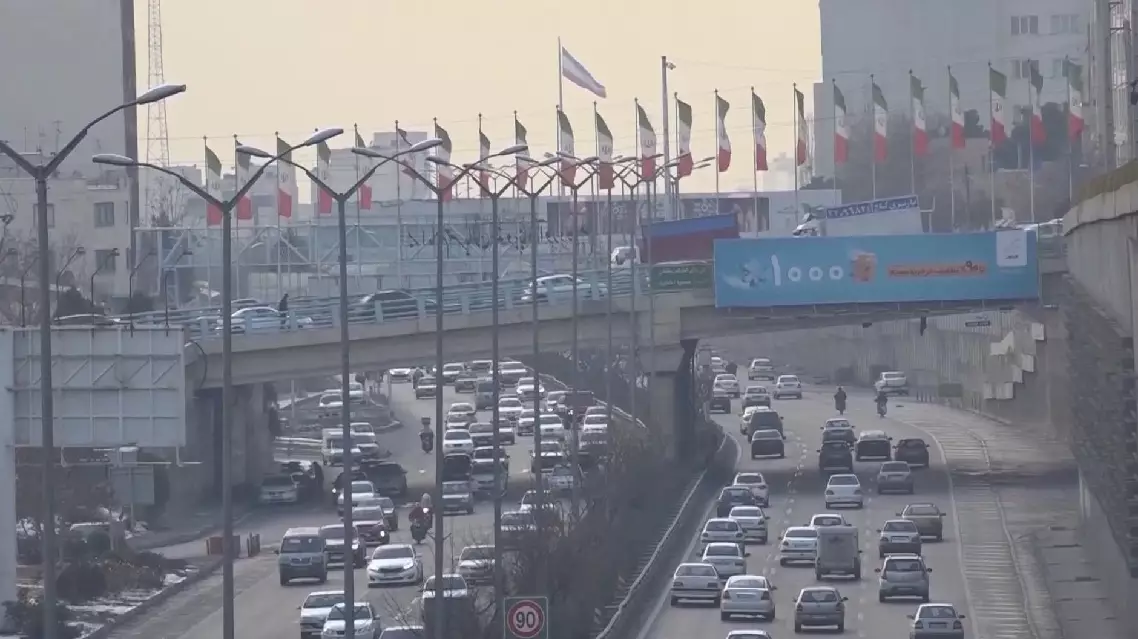
Iran's official news agency IRNA said on Sunday the country has rejected taking part in the second round of the peace talks with the United States, after U.S. President Donald Trump said new negotiations would take place in Pakistan on Monday evening.
"My Representatives are going to Islamabad, Pakistan -- They will be there tomorrow evening, for Negotiations," Trump wrote in his Truth Social post on Sunday.
Trump also said that the U.S. has offered a "fair and reasonable" deal, and if Iran reject the deal, the U.S. will "knock out every single Power Plant, and every single Bridge, in Iran."
Iran's absence from the second round of talks "stems from what it called Washington's excessive demands, unrealistic expectations, constant shifts in stance, repeated contradictions, and the ongoing naval blockade, which it considers a breach of the ceasefire," IRNA said in a post on its English account on social media platform X.
In another report published in Farsi, IRNA said reports released about the second round of peace talks between Tehran and Washington in Islamabad are "not true."
It described the reports released by the United States as part of a "media game and in line with the blame game" to pressure Iran, stressing that the U.S. "excessive, illogical and unrealistic demands, frequent changing of positions, constant contradictory remarks, continuation of the so-called naval blockade" have so far prevented the negotiations' progress.
IRNA added under the present circumstances, there is "no bright prospect" for fruitful negotiations.
On Feb. 28, Israel and the United States launched joint attacks on Tehran and several other Iranian cities, killing Iran's then Supreme Leader Ali Khamenei, along with senior military commanders and civilians. Iran responded by launching waves of missile and drone strikes targeting Israel and U.S. bases and assets in the Middle East, and exercising tight control over the Strait of Hormuz.
A ceasefire was achieved between the warring parties on April 8, which was followed by lengthy talks between the Iranian and U.S. delegations in Pakistan's capital Islamabad on April 11 and 12. After the peace negotiations in Islamabad collapsed, the United States imposed its own blockade on the waterway.
The Iranian and U.S. delegations were reportedly expected to hold another round of peace talks in Pakistan soon.
Trump affirms new round of talks in Pakistan while Iran rejects