An ancient pear orchard, a fresh water pearl farming system and a tea culture system in China have been designated as Globally Important Agricultural Heritage Systems (GIAHS) by the Food and Agriculture Organization of the United Nations (FAO).
As the Ministry of Agriculture and Rural Affairs announced on Tuesday, the three sites are the 600-year-old Gaolan Shichuan Ancient Pear Orchard System in northwest China's Gansu Province; the Deqing Freshwater Pearl Mussels Composite Fishery System, an 800-year-old fish-mussel co-cultivation system that merges aquaculture, agriculture and craftsmanship in Zhejiang Province in east China; and the Fuding white tea cultural system in Fujian Province, also in east China, which blends favorable geography, climate and centuries-old tea culture.
With the three latest additions, China now has 25 GIAHS sites -- the highest in the world.
The GIAHS program, launched by the FAO, has assisted farming communities in safeguarding traditional agricultural systems and associated landscapes, agricultural biodiversity, knowledge systems and cultures.
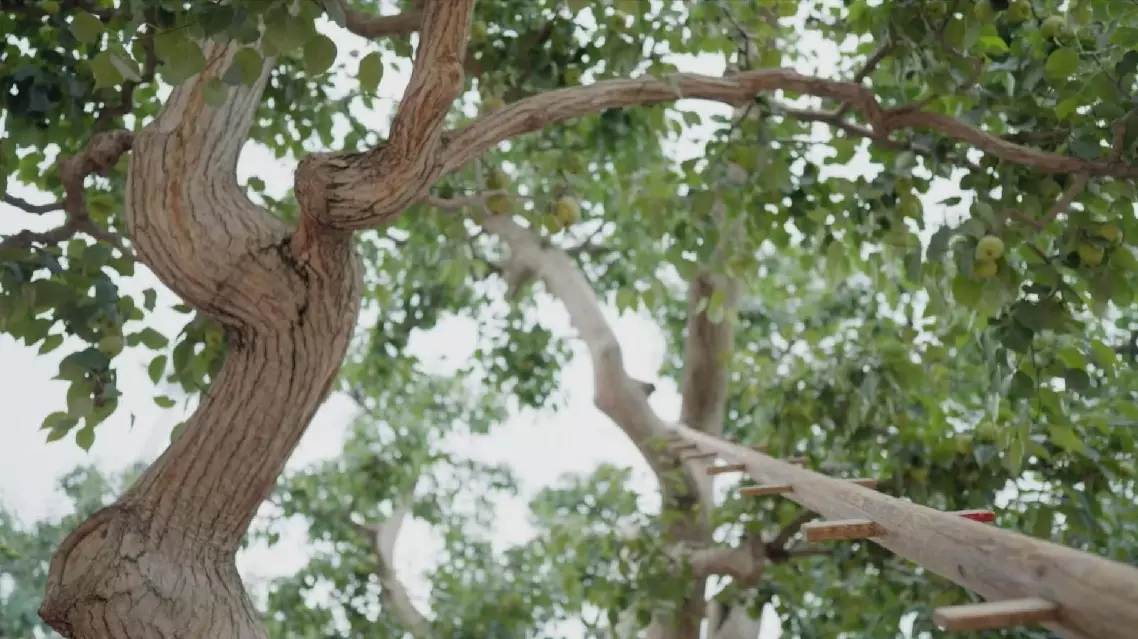
Three agricultural sites in China recognized as globally important
The three astronauts aboard China's Shenzhou-23 spaceship have entered the country's Tiangong space station and met with their astronaut colleagues early Monday morning, as they now begin an in-orbit crew handover.
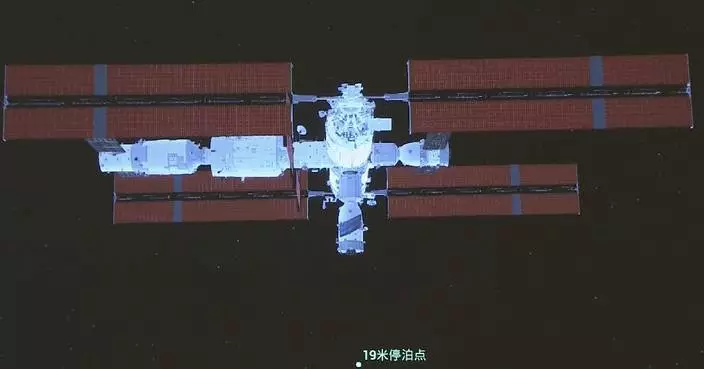
Mission commander Zhu Yangzhu and fellow astronauts Zhang Zhiyuan and Lai Ka-ying successfully entered the station's core module Tianhe after the spaceship made a fast automated rendezvous and docked with the Tianhe module at 02:45 (Beijing Time) on Monday.
The three Shenzhou-21 crew members opened the hatch at 05:13 (Beijing Time) and greeted the new arrivals, according to the China Manned Space Agency (CMSA).
The six astronauts then took group pictures for the eighth in-orbit get-together in China's aerospace history.
Notably, one of the Shenzhou-23 crew members is set to undertake a year-long stay aboard the space station, double the usual duration of previous Shenzhou missions.
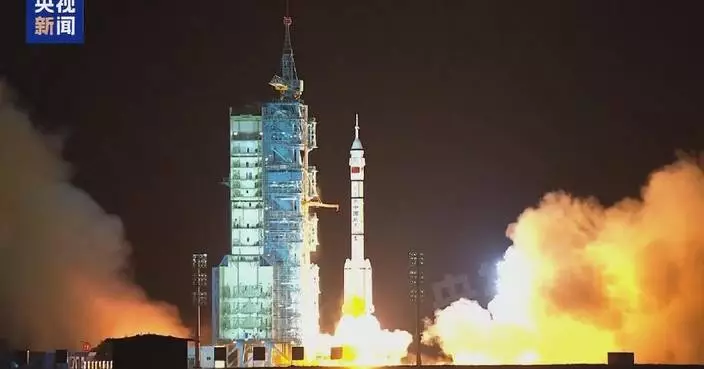
The Shenzhou-23 spaceship, atop a Long March-2F carrier rocket, blasted off from the Jiuquan Satellite Launch Center in northwest China at 23:08 (Beijing Time) on Sunday.
Shenzhou-23 marks the 40th flight of China's manned spaceflight program and the seventh manned flight mission since the Tiangong space station entered its application and development phase in late 2022.
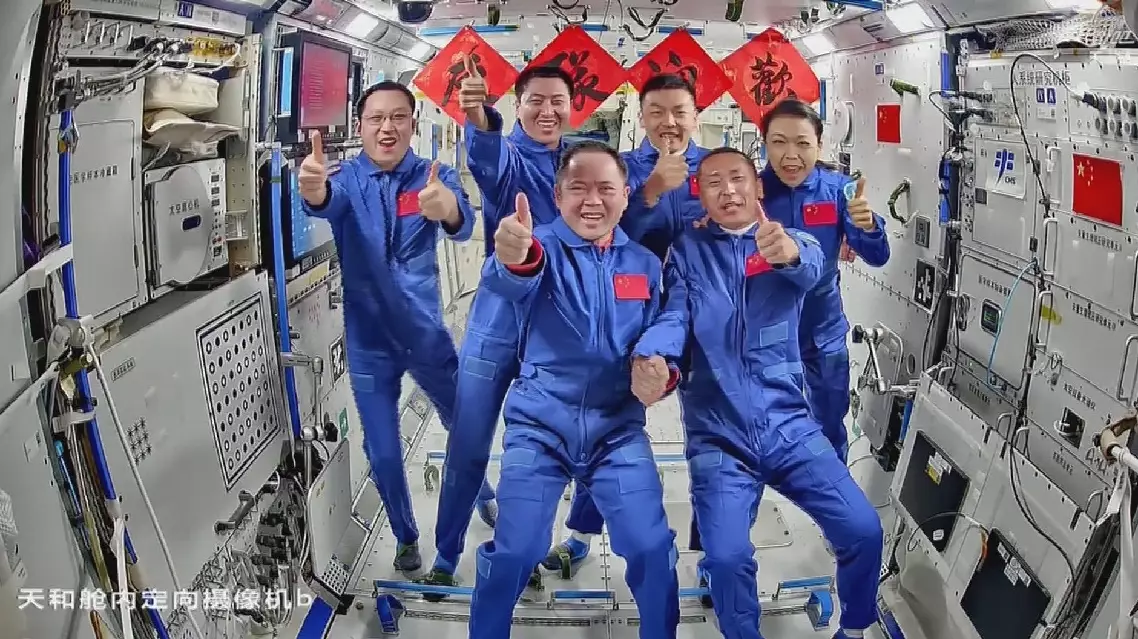
Shenzhou-23 astronauts enter Tiangong space station, meet Shenzhou-21 crew