Chinese tech firm Xiaomi officially released its first self-developed 3-nanometer mobile chip, Xring O1, in Beijing on Thursday evening.
The chip features a 10-core CPU and a 16-core GPU to provide an improved user experience, Lei Jun, founder and chairman of Xiaomi, said at the launch event.
Click to Gallery
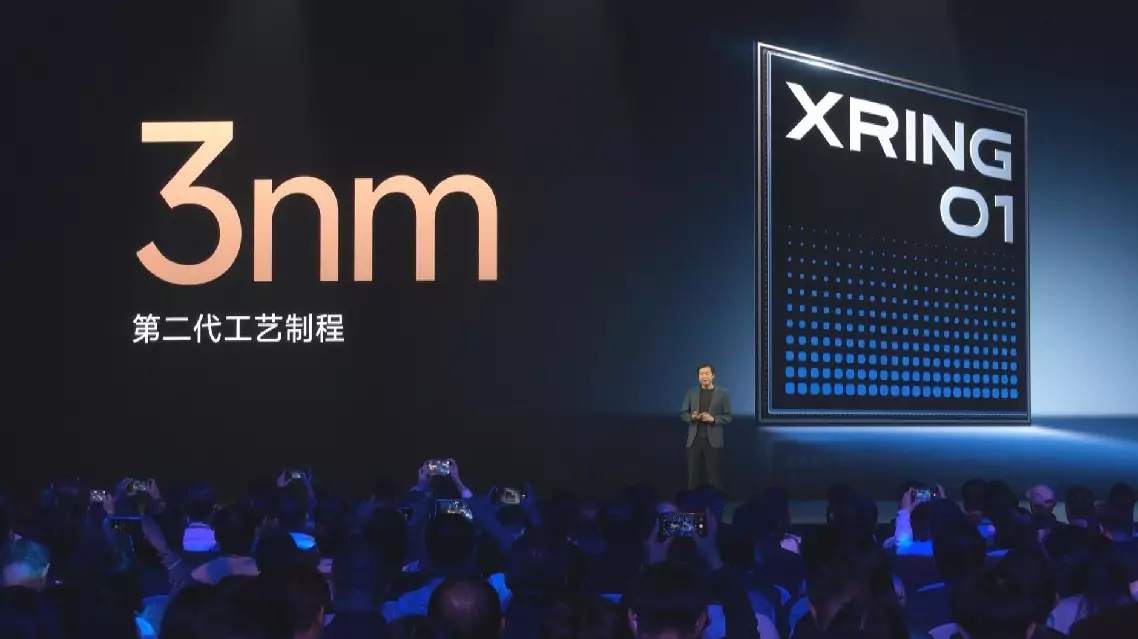
Xiaomi unveils self-developed 3-nanometer mobile chip
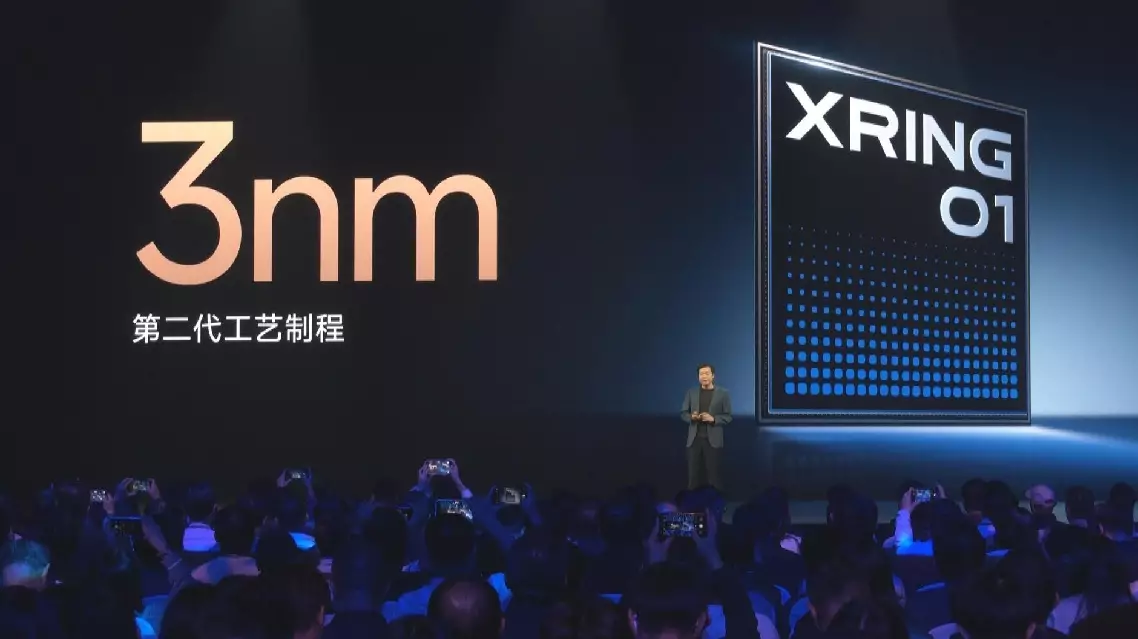
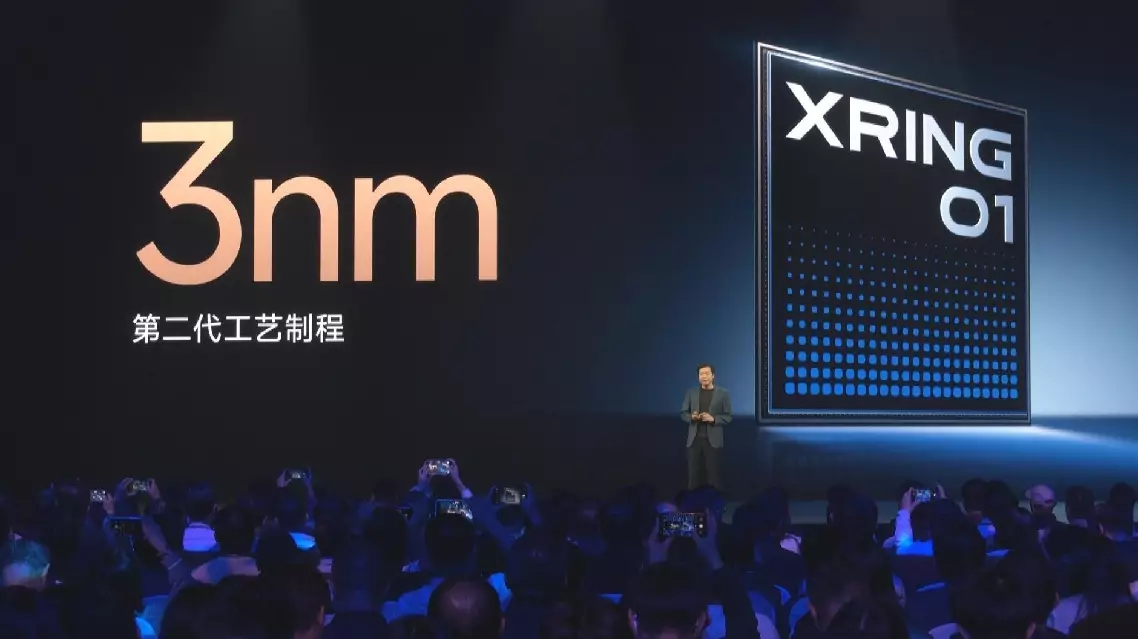
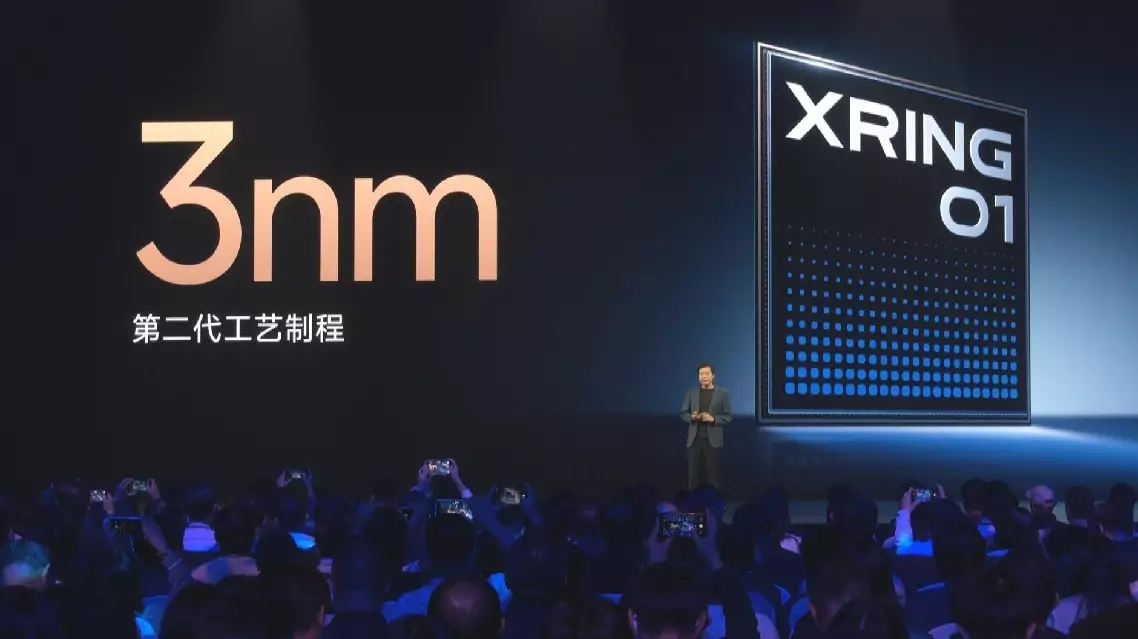

Experts say the Xring O1 chip marks a major breakthrough in Xiaomi's chip development and design capabilities.
The chip has entered mass production and been integrated into the company's latest flagship products -- the Xiaomi 15S Pro smartphone and the Xiaomi Pad 7 Ultra tablet.
Xiaomi's research and development for the Xring O1 chip has spanned a decade. Since 2021, the company has invested more than 13 billion yuan (about 1.8 billion U.S. dollars) in the project, involving a research and develop team of over 2,500 people.
According to Lei, Xiaomi plans to invest 200 billion yuan in key-technology R and D over the next five years, including operating systems, artificial intelligence, and chips.
Xiaomi unveils self-developed 3-nanometer mobile chip

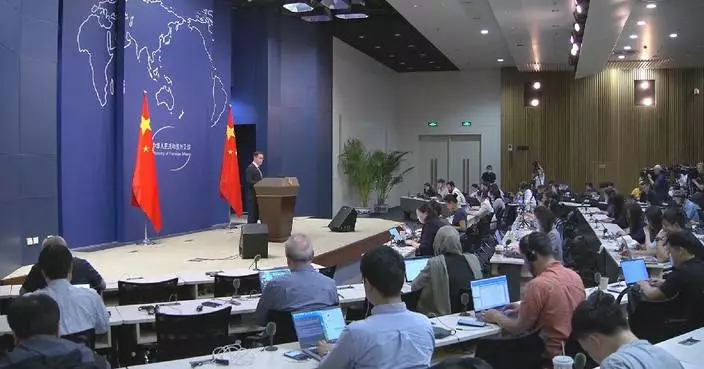
The "soft landing" of the China-EU electric vehicle case will greatly boost market confidence and inject new momentum into China-EU cooperation in automobile trade and investment, a spokeswoman of the Ministry of Commerce (MOC) said at a press briefing in Beijing on Thursday.
He Yongqian, the spokeswoman, made the remarks after China and the European Union (EU) agreed on the necessity of providing general guidance on price undertakings for Chinese companies exporting battery electric vehicle (BEV) passenger cars to the EU.
"China and the EU simultaneously announced on Monday that they had achieved positive outcomes following multiple rounds of consultations on the EV case, a development that has drawn wide attention at home and abroad. Industry players from both sides have 'highly welcomed and fully endorsed' the outcome, saying the 'soft landing' of the case is expected to greatly boost market confidence and inject new momentum into China-EU cooperation in automobile trade and investment. Some EU politicians have described it as a positive step toward building a sustainable China-EU trade relationship, and said it demonstrated that resolving trade differences through partnership remains feasible," she said.
"Against the current international backdrop, China and the EU, acting in a spirit of mutual respect and within the framework of WTO rules, have properly addressed the EV case, which is of significant positive importance. The outcome will not only contribute to the sound development of China-EU economic and trade ties and help safeguard the stability of the global automotive industrial and supply chains, but will also send a clear and strong signal that both sides are willing to uphold a rules-based international trading order, setting a good example for countries to resolve differences through dialogue and consultation and injecting greater certainty and positive energy into global economic growth," she said.
"China appreciates the spirit of dialogue showed by the EU side and stands ready to work with the EU, building on the current positive outcomes, to further implement the consensus reached by the leaders of the two sides, maintain dialogue and communication, and support stable industrial and supply chains on both sides, continue to deepen cooperation on the basis of market principles, and make active contributions to the global green transition," she added.
"Soft landing" of China-EU EV case to significantly boost market confidence: MOC spokeswoman