The Xizang Autonomous Region in southwest China has taken on a new look over the past 74 years since its peaceful liberation in 1951, achieving remarkable progress across social, economic and cultural fields.
On May 23, 1951, the 17-Article Agreement was signed by the central government and the local government of Xizang on the peaceful liberation of Tibet.
Since then, the people of Xizang have broken free from the fetters of invading imperialism for good, and embarked on a bright road of unity, progress and development along with all the other ethnic groups in China.
Over the years, Xizang has experienced unprecedented development and changes, delivering more tangible benefits to local people.
In recent years, the region has emerged as a thriving destination for culture and tourism.
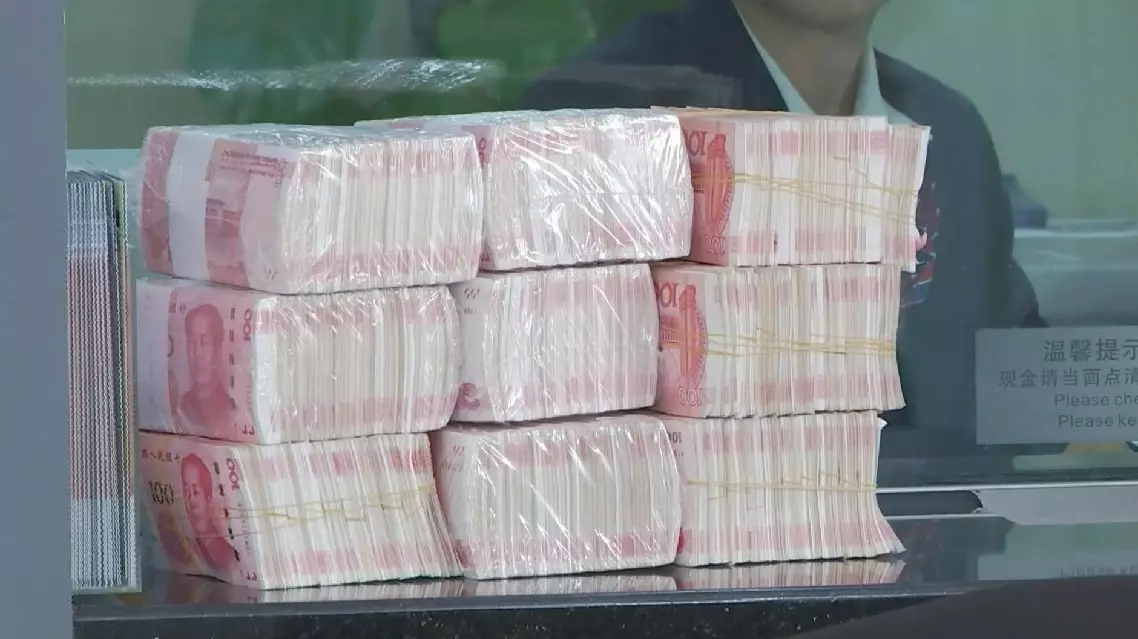
In 2024, Xizang received over 60 million domestic and foreign tourist visits, with its cultural industry value reaching 11 billion yuan (1.53 billion U.S. dollar), proving its allure as a top cultural and tourist destination.
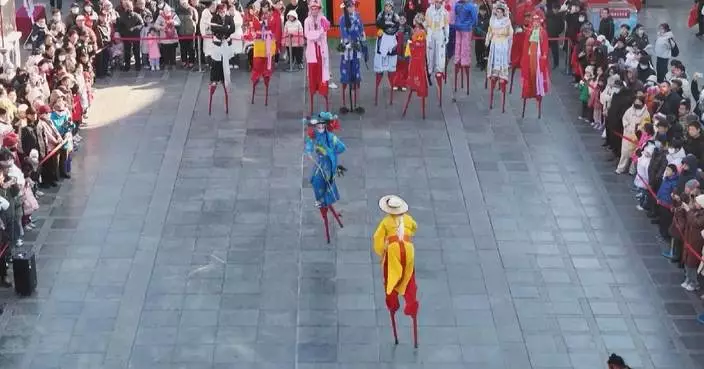
Rich in national intangible cultural heritages, unique cultural assets, and breathtaking landscapes, Xizang stands as a living testament to the vibrant coexistence of ancient traditions and modern vitality.
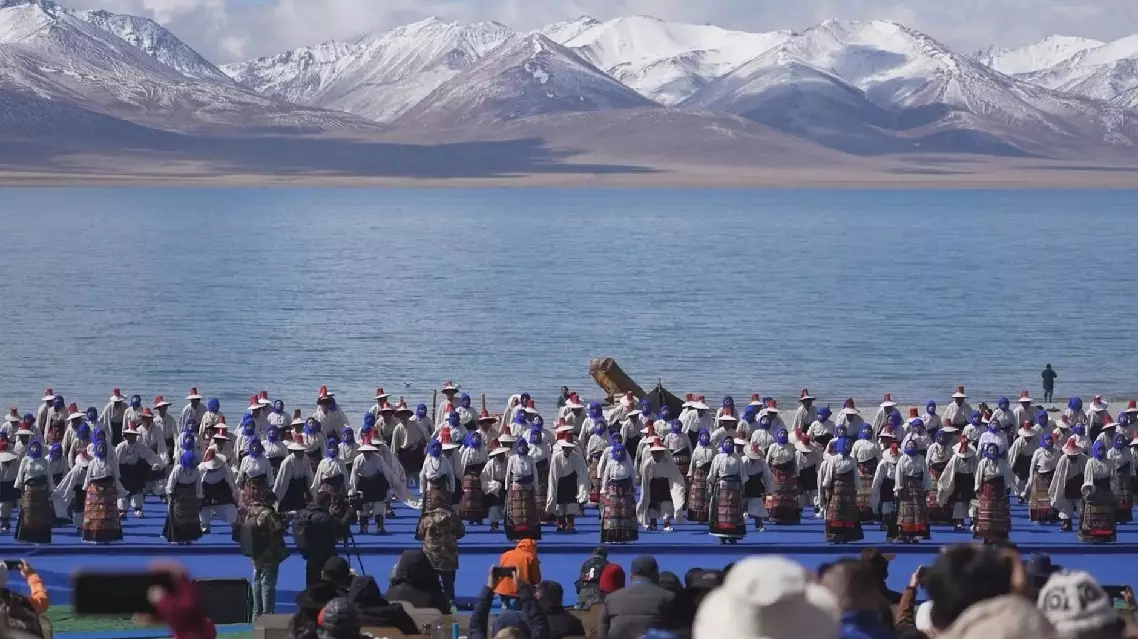
Xizang takes on new look since peaceful liberation 74 years ago