Experts from the Jiangsu Academy of Agricultural Sciences in China have been offering technological support to Pacific Island nations, working to improve local farming techniques and increase farmers' earnings.
For years, the Jiangsu Academy has been collaborating with Pacific Island nations on agricultural science and technology under the framework of South-South Cooperation.
Recently, the academy has focused its efforts on improving the cultivation of vegetables and other crops in some Pacific Island countries.
In June, vegetable cultivation expert Diao Weiping will travel to Fiji and Vanuatu to guide local farmers in growing vegetables they currently rely mostly on importing.
"Peppers, tomatoes, cucumbers, and leafy vegetables like Chinese cabbage and kale are among the most popular vegetables in these countries. However, they import many of these vegetables from Australia and New Zealand at relatively high prices," said Diao Weiping, deputy director of the Institute of Vegetable Crops at the Jiangsu Academy of Agricultural Sciences.
According to Diao, their cucumber cultivation techniques have helped a farmer in Fiji increase yields and boost his income.
"There is a farmer in Fiji who wanted to grow cucumbers. We then taught him how to improve his cultivation techniques, including soil improvement, fertilization, and the proper use of growth regulators. Now, his yields are much higher. He harvests hundreds of kilograms daily, and many local restaurants place orders with him," Diao said.
Achieving self-sufficiency in vegetables and other crops is vital for food security in Pacific Island countries and also helps to improve local diets.
"On one hand, we focus on training agricultural officials as a long-term resource for their agricultural development. On the other hand, we work to help them train professionals who can improve the practical skills of local enterprises and large-scale growers," said Zou Yi, head of the International Cooperation Department at the Jiangsu Academy of Agricultural Sciences.
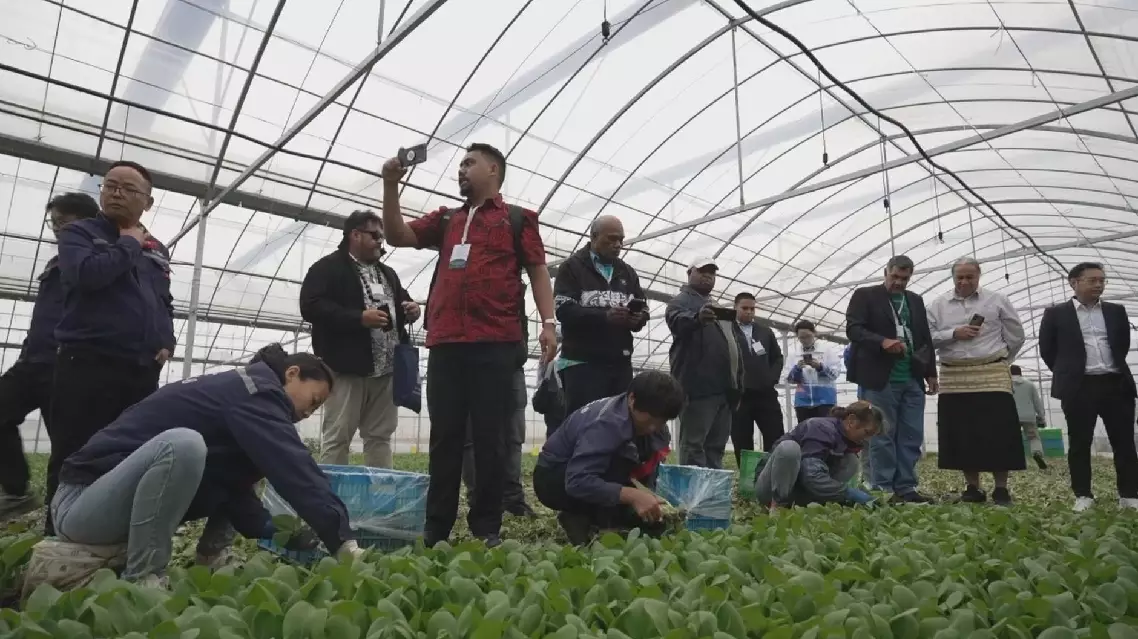
Chinese technologies power agricultural modernization in Pacific Island countries
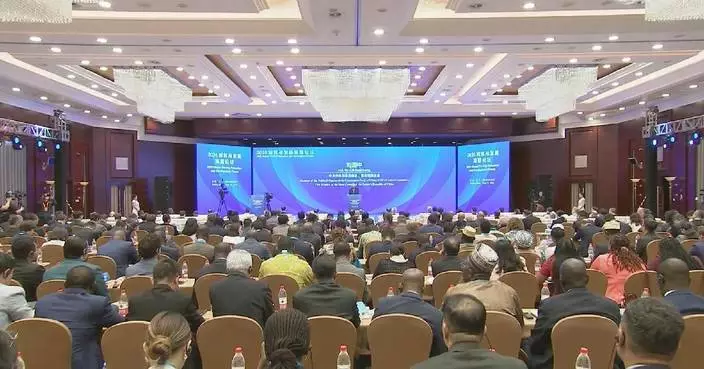
The Global Partnership for Poverty Alleviation and Development (GPPAD) was officially launched on Wednesday at the ongoing 2026 Global Poverty Reduction and Development Forum in Beijing, according to an announcement made at the event.
Jointly initiated by China, 53 other countries, and nine international organizations, the GPPAD marks a milestone in global poverty-reduction efforts, the announcement said.
While encouraging members to pursue poverty-reduction and development strategies suited to their own conditions, the GPPAD will promote exchanges of experience in poverty reduction and governance, and jointly explore pathways to eradicate poverty at its roots, according to the announcement.
The partnership welcomes the participation of governments, international organizations, the private sector, academia and media institutions, to foster a fair, inclusive, non-discriminatory and sustainable development environment together, the announcement added.
Speaking at the forum, Chinese Vice Premier Liu Guozhong said that China will support the GPPAD in strengthening policy dialogue, technical demonstrations and talent training, to help developing countries build stronger poverty-reduction capacity.
Scholars and government officials hailed the importance of this global effort in reducing poverty.
"Today, you have the opportunity of countries coming together to say, in a way we failed, but we don't have to. We can work together through partnership to address issues that collectively as a globe, we said we would do eight years ago, whatever it is, 10 years ago, but have not done so. So it's importance is this opportunity, this celebration of working together, we can really achieve things," said Robert Walker, Professor of the School of Social Development and Public Policy of Beijing Normal University, who is also an Emeritus Fellow at Green Templeton College at the University of Oxford.
"Within this platform, we will have access to more knowledge, partnerships, and economic and social cooperation, allowing us to learn from the experience of China and other countries, so that we can accelerate the pace and make the commitment. The problem of poverty is a global problem for humanity, so the strategies for reducing it must also be global strategies, concerted strategies, that allow, first, to end hunger, drastically reducing the level of poverty by 2030," said Salimo Ismael Vala, Minister of Planning and Development of Mozambique.
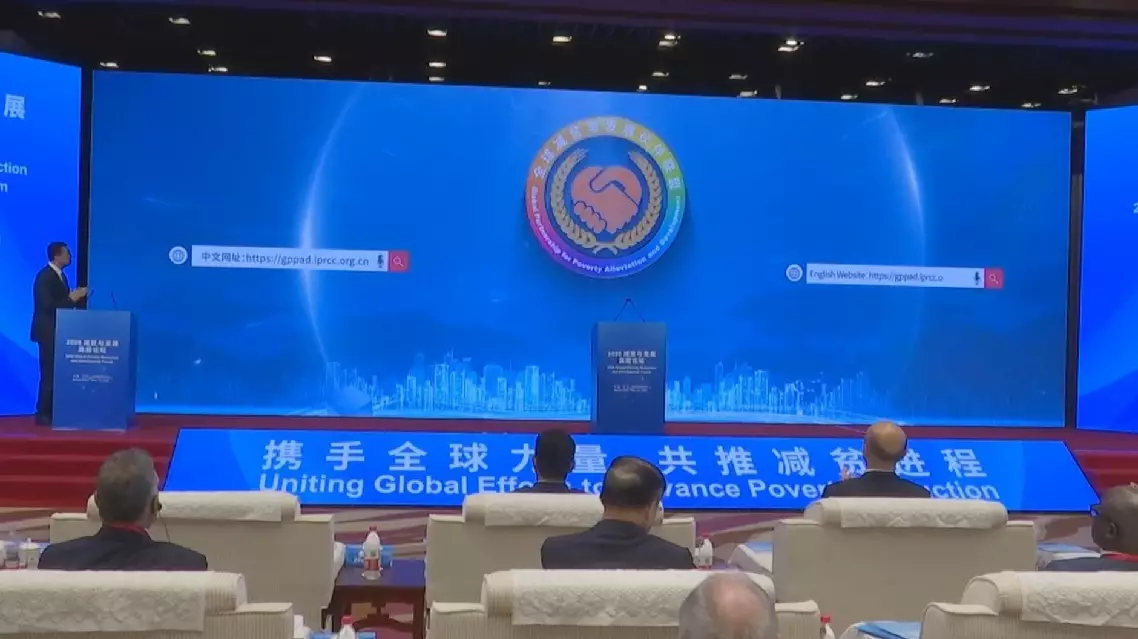
Global partnership launched in Beijing to fight poverty, promote development