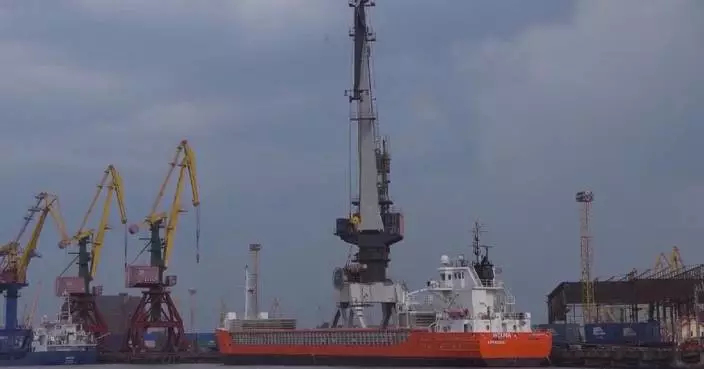
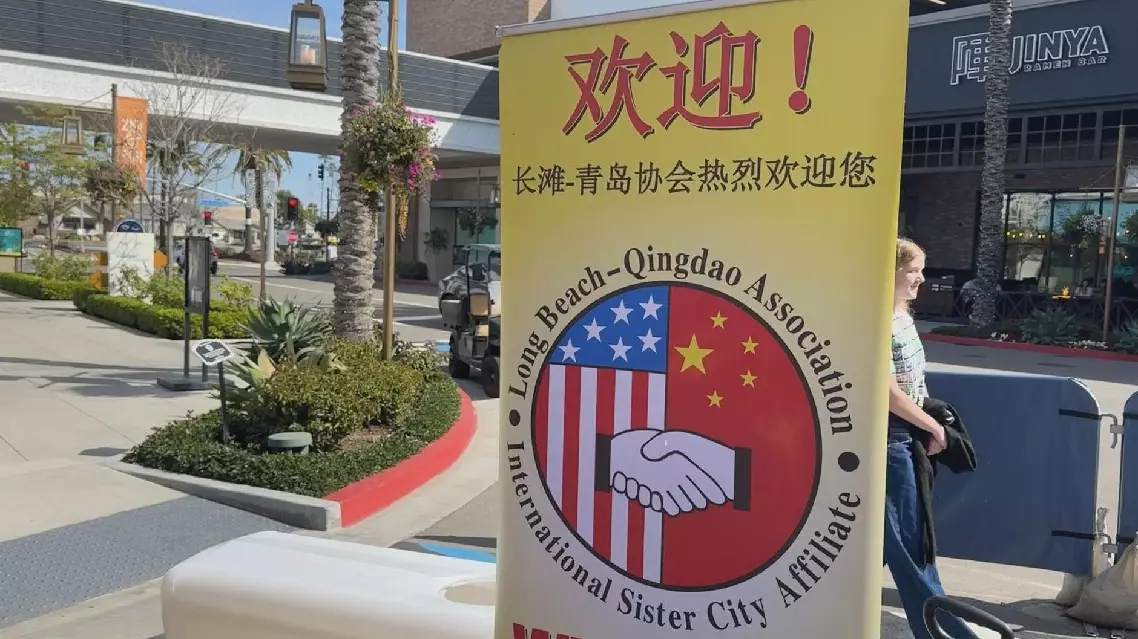
The Long Beach-Qingdao Association, established in 1985, has long worked to strengthen ties between the major port cities of the United States and China, two of the world's largest economies.
The association is one of several sister city organizations in Long Beach, a vital port on the U.S. West Coast. As ongoing trade tensions and shifting tariffs between the U.S. and its trading partners disrupt business, personal connections fostered by these sister-city relationships are proving to be effective assistance for companies navigating turbulent times.
A prime example of this is a cultural exchange project aimed at connecting middle school students in the United States and China through a collaborative book project. The initiative, which had been progressing smoothly, became a victim of the on-and-off tariffs imposed by the U.S. on its trading partners.
"We'd been wrestling with the pricing of this book for some time, and where we could get a good deal on the printing and so on. So, we had it printed in Qingdao, got a very nice price offer from Qingdao, and the books were done and about to be shipped, and we heard about the tariff. So, of course, we had to add the tariff onto the price of the book, which raised our little book substantially," said Mary Burton, a treasurer at the Long Beach-Qingdao Association, in an interview with China Global Television Network (CGTN).
Long Beach in California and Qingdao in east China's Shandong Province have been sister cities for nearly 40 years, and their decades-long personal and business ties are helping both sides navigate the challenges brought on by the recently imposed tariffs by the U.S.
"Things change over the years. There's been a lot of changes over the years, right? But this (sister city relationship) will maintain. This will keep this connection. It's very important that knowing our sister cities are connected. But we're also both port cities, and the ports [are] very important to both of our cities. And I'm sure this helps, regardless of what's going on in the business, regardless of what's going on in trade, that we can continue to have a relationship with them," said Jeff Williams, director of community engagement at the Office of the Mayor of Long Beach.
Williams emphasized the importance of personal and business relationships built through sister-city organizations, especially during times of international trade tensions. Long Beach's economy is heavily reliant on its port, the largest business in the city, with one in eight jobs depending on it.
"The port's the largest business here in Long Beach. It's our number one driver of our economy. One in eight jobs depends on it. So the trade between us and other cities is super important and these port cities -- as we mentioned, all of our sister cities are mostly port cities -- and so keeping that personal relationship and building connection will help us make sure that regardless of what's going on with trade and business, that we can keep that connection and hopefully strengthen it," said Williams.
Many companies have secured business deals through the network of sister city organizations like this, and at this time of trade tensions, these long-term relations have become more important than ever.
Sister city ties help Chinese, US companies weather tariff turmoil